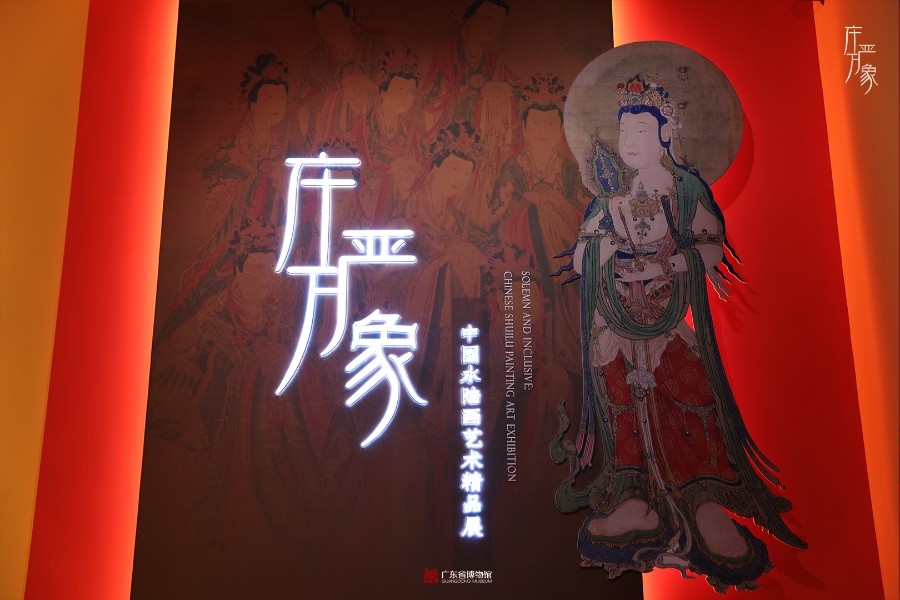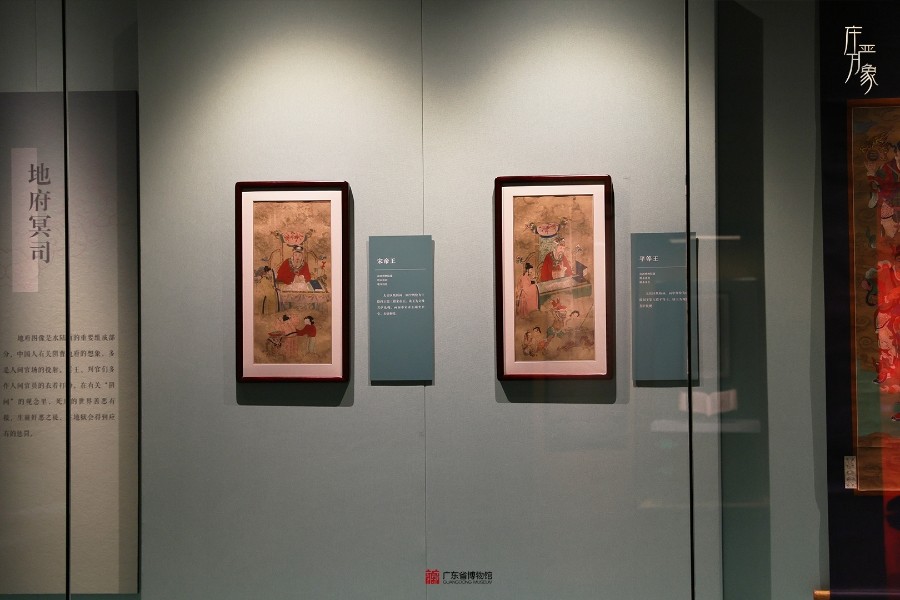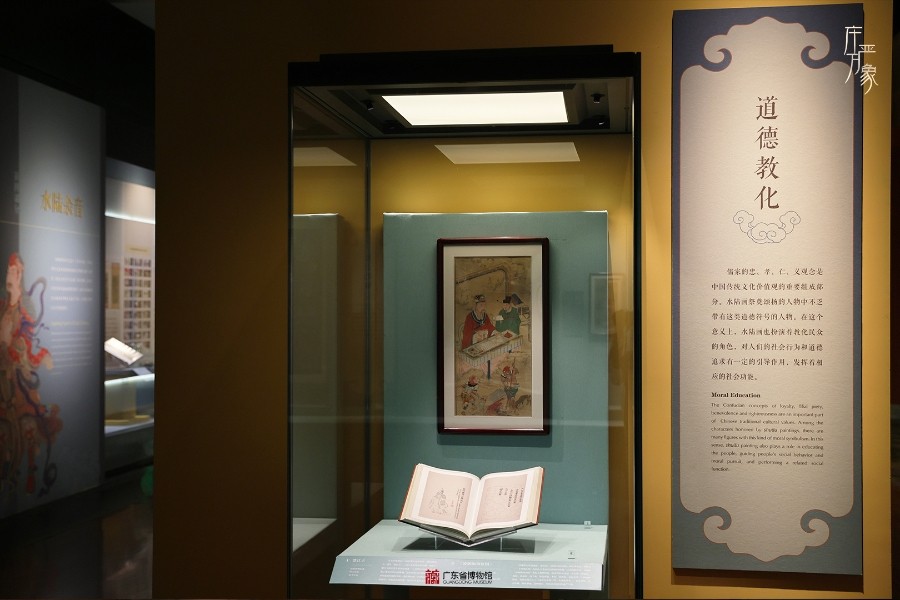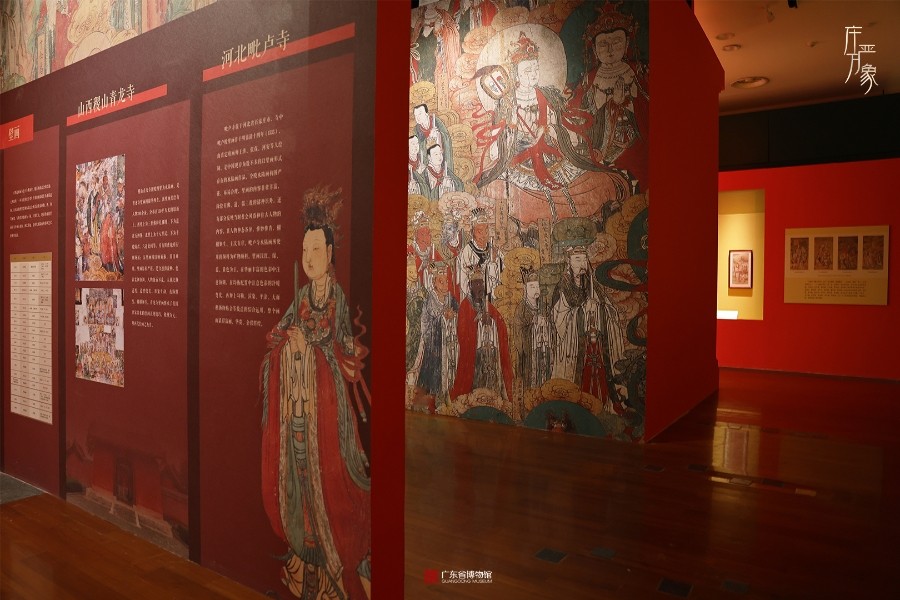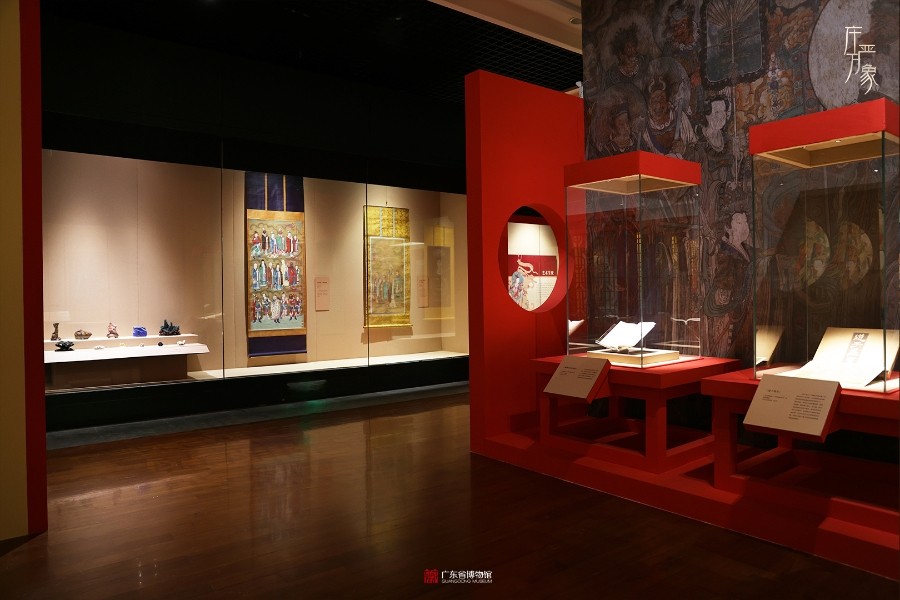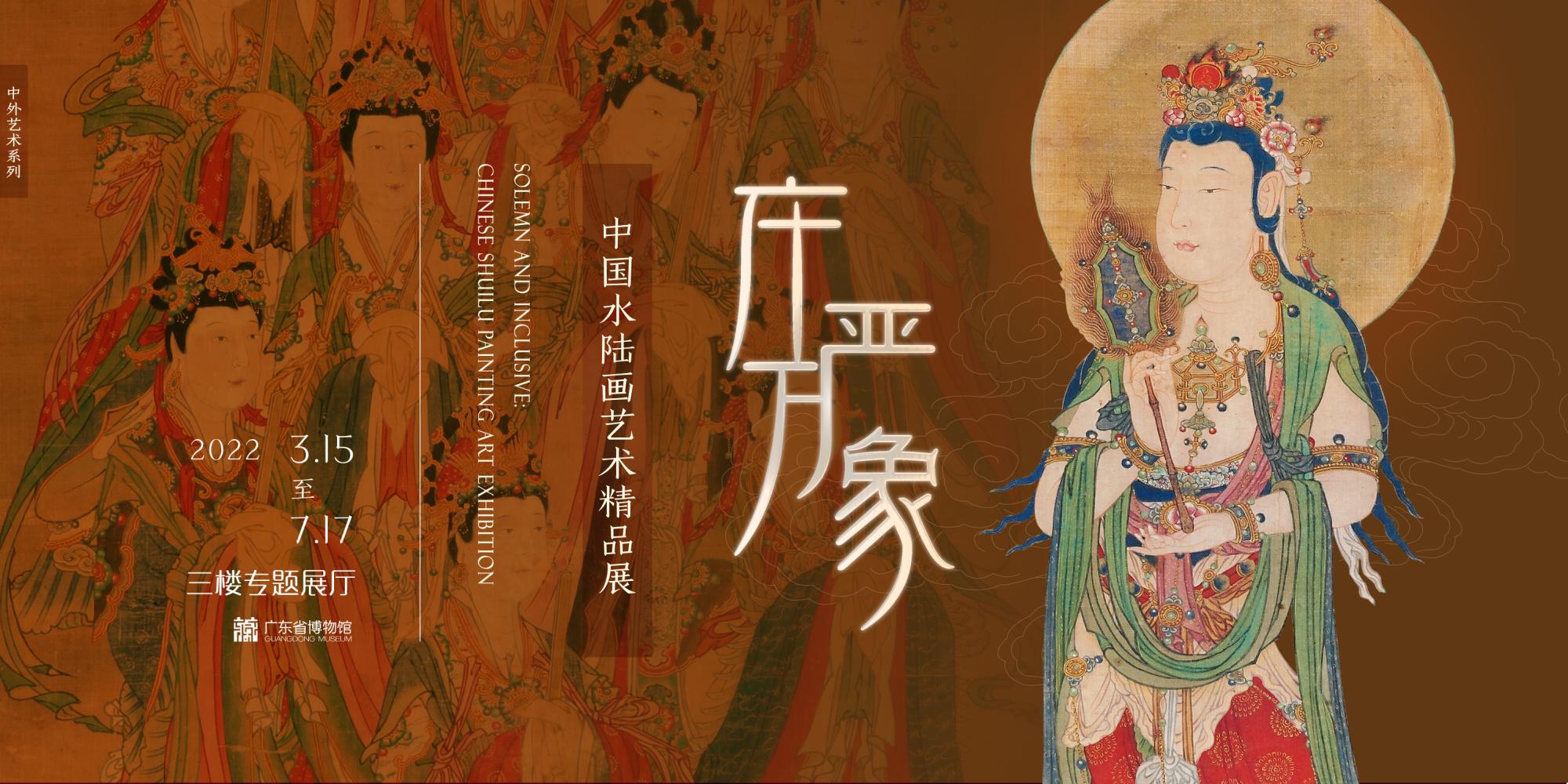
On March 15, 2022, Solemn and Inclusive: Chinese Shuilu Painting Art Exhibition, curated by the Guangdong Museum and featuring outstanding works from the Capital Museum, Shanxi Museum, Guangdong Museum, Gansu Provincial Museum, Wuwei Museum, Minle Museum, Shandan Museum, and Foshan Museum, opened in the Special Exhibition Hall on the 3rd floor of the Guangdong Museum. The exhibition runs until July 17, 2022.
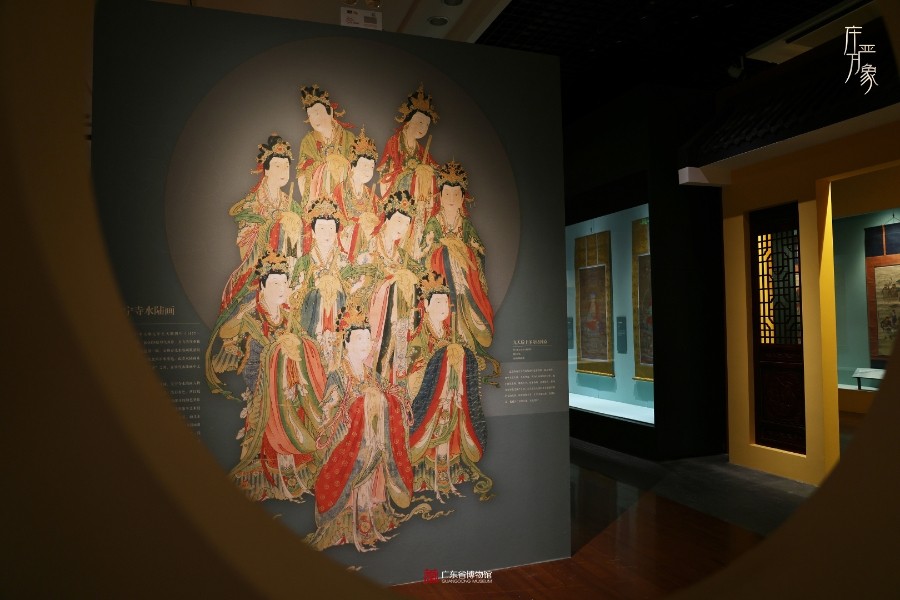
The Shuilu Fahui (Water-and-Land Ritual) is the most long-standing, large-scale and elaborate Buddhist rite in China. Water-and-land ritual paintings were created to serve this ritual and thus carry highly specific functions. Rich in subject matter, diverse in form and distinctive in style, they reflect regional cultures and local traditions across China. Curated by the Guangdong Museum, the exhibition brings together 70 representative works from museums nationwide, presented in four sections: Divine Assemblies, Artistic Blossoms, The Myriad Scenes of Water and Land, and Echoes of Water and Land. From artistic background and characteristics to cultural connotations, conservation and transmission, the exhibition provides a rare opportunity for visitors to study and appreciate this unique cultural treasure.
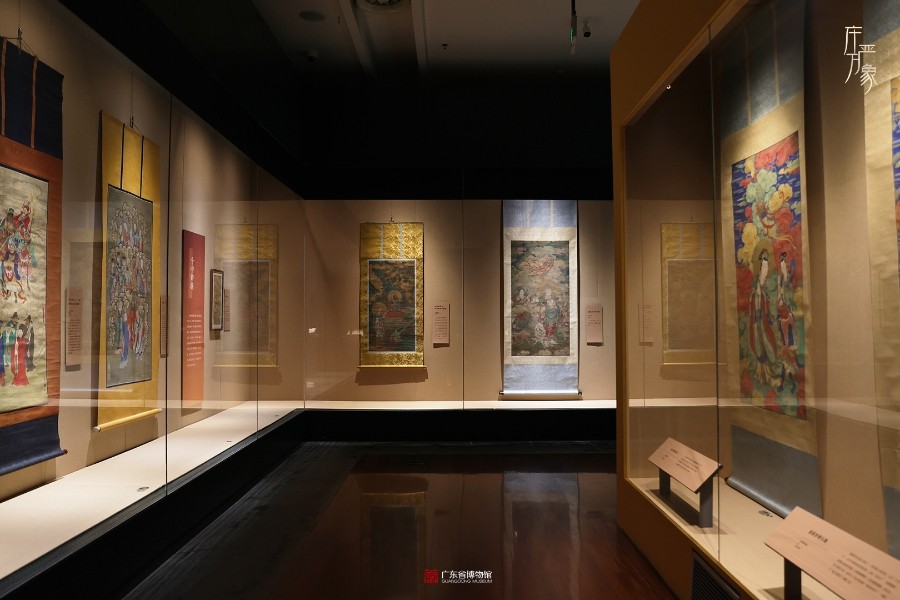
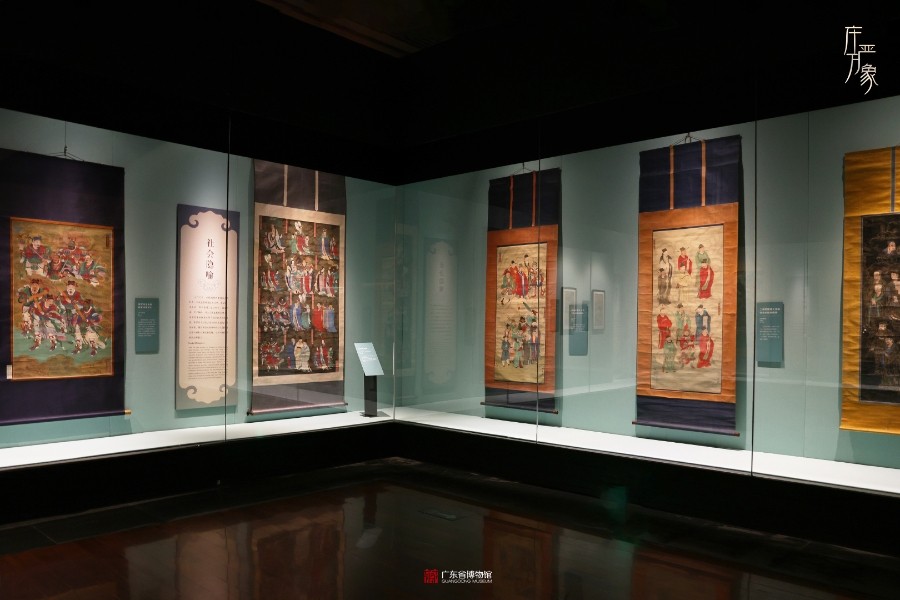
Water-and-land ritual paintings may appear as murals, scrolls or panel paintings. Through original works and high-quality reproductions, the exhibition offers a comprehensive presentation of this art form. Due to their age and the effects of smoke and incense over centuries, most water-and-land ritual paintings have been lost. Those surviving are even fewer, not least because they were functional images meant solely for ritual use. This exhibition features 16 court-commissioned water-and-land ritual paintings—including works from the Baoning Monastery from the Tianshun era and those painted under the auspices of the imperial mother during the Ming dynasty—alongside many regional works from Shanxi, Gansu and other areas. Nearly 70% of the objects on display are precious cultural relics, including 11 first-grade cultural relics. Collectively they make possible a comparative, systematic understanding of the genre.
Water-and-land ritual paintings encapsulate traditional Chinese culture. Drawing on motifs from Confucianism, Buddhism, Daoism and folk beliefs, they bring together sacred and secular figures in grand formations that visually articulate Chinese views on ethics and life. Executed in fine brushwork and rich colors, they are sumptuous, majestic and visually arresting, embodying a distinctly Eastern aesthetic sensibility. Their sophisticated coloration techniques, in particular, are of enduring relevance to contemporary Chinese art.
The Capital Museum holds over 350 water-and-land ritual paintings from the Ming and Qing dynasties, among which works commissioned by the imperial mother in the Wanli reign are especially exquisite. The Portrait of Marshal Guan and others are featured in this exhibition. Shanxi, where Buddhist culture flourished, retains one of the richest collections of water-and-land paintings in China, more than 400 from the Baoning Monastery and the Taiyue region. The Baoning Monastery paintings were court-bestowed “Imperial Gifts”, intended to symbolically “guard the borders”, making them particularly special among Ming and Qing water-and-land ritual paintings. 11 of the 36 Shanxi water-and-land ritual paintings on display—each a first-grade cultural relic—are notable for their elegance, varied compositions, technical refinement and vivid depictions of social customs in Ming dynasty, making them among the finest examples of existing water-and-land ritual paintings in China. Gansu, another major region for water-and-land ritual paintings (especially in the Hexi Corridor), Hexi water-and-land ritual paintings were generally created by local folk artists, but their skills are superb, and their modeling and style share many similarities with the Dunhuang murals. Due to their "portability," they are known as "movable Dunhuang murals." This exhibition displays nearly 20 water-and-land ritual paintings from Gansu. Among them, several paintings made with the ink-rubbing and gold-tracing technique are unique and extremely rare. In addition, several Daoist and Buddhist paintings from the Foshan region, as well as water-and-land related artifacts from the Guangdong Museum's collection, are also on display.
The exhibition includes a specially produced video introducing representative water-and-land ritual paintings from China and abroad—a first of its kind. Conservation videos and an interactive programme on restoring water-and-land ritual paintings allow visitors to learn about the complex processes involved in the conservation of traditional Chinese paintings and the difficulty of preserving these works over centuries.
Public outreach is carried out through the museum’s official new-media channels, supplemented by broader social-media platforms. Through posts, short videos and interactive content, visitors can access exhibition information both on-site and online.
In terms of education, regular guided tours introduce the cultural significance of Buddhist water-and-land ritual paintings. Complementary programmes—Reading Guangdong with Love, expert lectures and hands-on activities—further expand interpretive depth. Three major educational activities are planned: Divine Presence: Rubbing Water-and-Land Ritual Painting Figures, Treasures of the Sacred Tree: Painting on Bodhi Leaves, and Paper Ingenuity: Restoration Experience for Painting Papers, offering audiences a rounded understanding of the genre’s artistic features.
On paper, the solemnity of Buddhas, the grace of Bodhisattvas, the ethereal elegance of celestial beings and the vitality of worldly figures come alive. Weathered yet luminous, these images embody the craftsmanship of painters across centuries. Their aesthetic ideals and aspirations still resonate with us today.
We invite you to visit the Guangdong Museum to appreciate these precious and distinctive cultural treasures and discover the rich cultural value of water-and-land ritual paintings.
In the context of ongoing COVID-19 measures, the museum continues its “limited, reservation and staggered entry” policy. All visitors (including children) must reserve via the museum’s WeChat official account, and children without an ID card shall use the ID card number from their hukou (household register) to make a booking. The visitor's name and valid ID number must be filled in truthfully; entry will be denied if the information does not match. Please present valid ID at the West Gate within your time slot and follow on-site instructions. Temperature checks, health code verification, mask-wearing and 1-metre distancing are required. Offline activities follow on-site arrangements.
Exhibition Views