Life and Cross-border Trade of Guangdong in the Early 20th Century

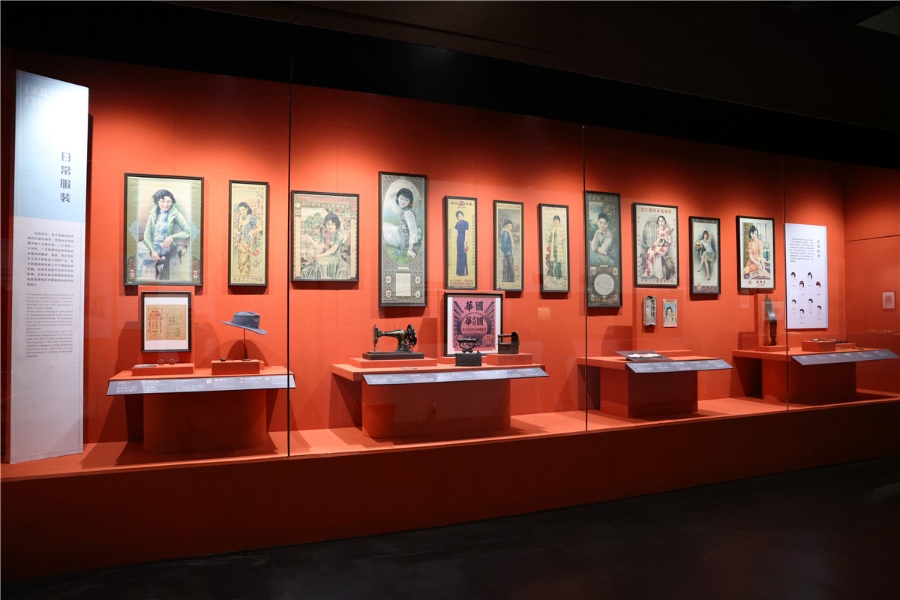
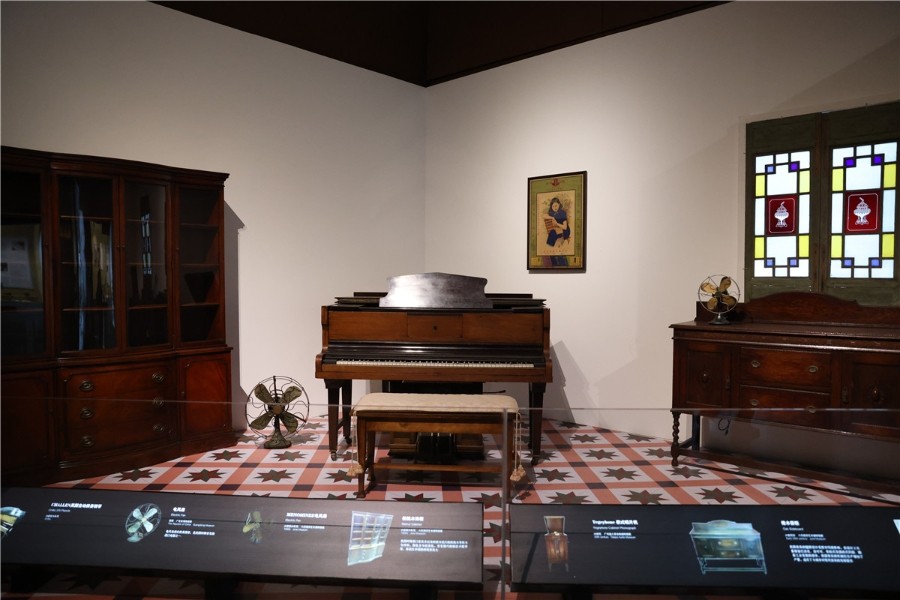
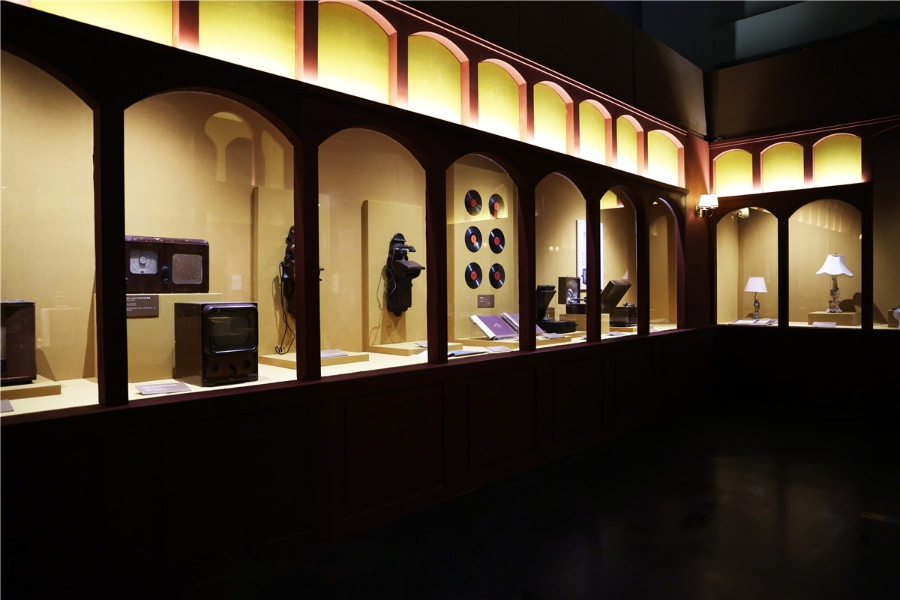
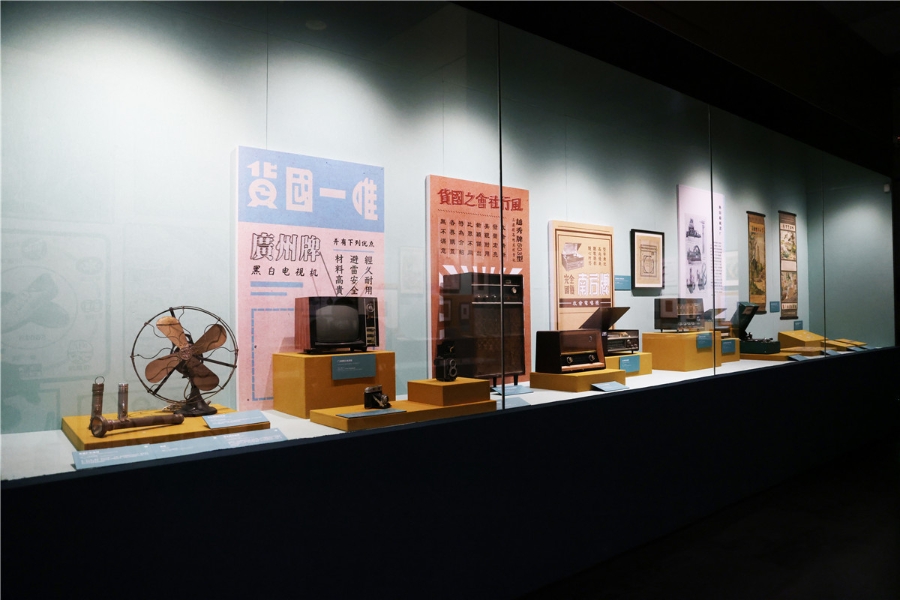
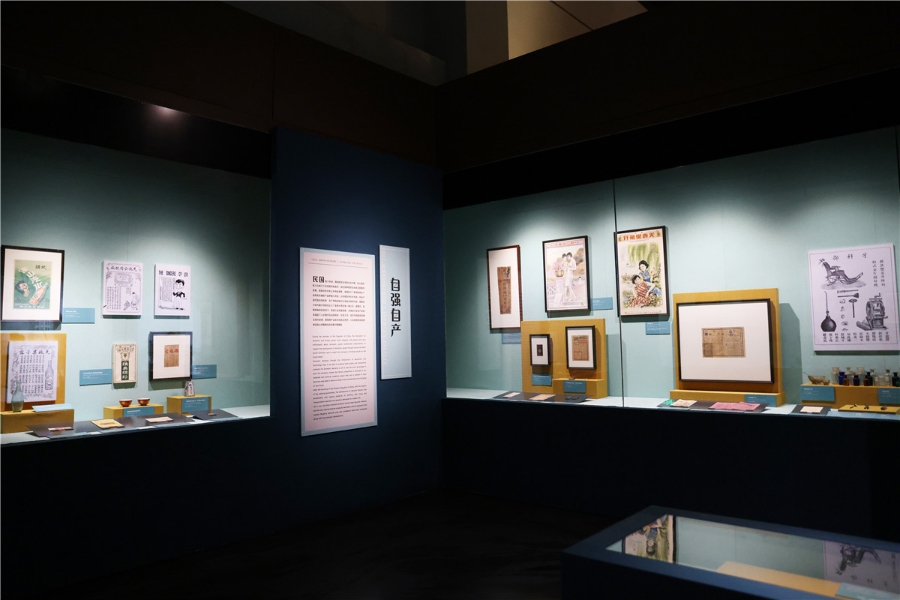
In the early 20th century, Guangdong underwent a sweeping commercial transformation, and the pursuit of foreign goods quickly became a dominant consumer trend. Imported goods—known locally as lailao huo (royal goods)—along with Western ideas, forms of entertainment, and ways of life, began to mingle and merge with local culture during the Republican era. After the Xinhai Revolution, men cut off their queues, styled their hair in neat side parts, and adopted Western suits. For women, the modified Qipao emerged as a fashion hallmark of the age. In the capital, overseas Chinese captured long-missed yet unfamiliar street scenes on their new cameras—moments when motorcars and rickshaws passed each other on bustling roads. Under the warm glow of Tai Ping Koon Restaurant, to the sound of English songs drifting from the gramophone, countless film-like scenes once quietly unfolded. A century ago, how did this wave of “overseas shopping” reshape everyday life? What impact did it have on the rise of China’s modern industry and commerce? Guangdong Museum warmly invites you to revisit the lifestyle of Republican-era Guangdong through this exhibition, which explores the legendary period across clothing, food, housing, and daily life.
Exhibition Views