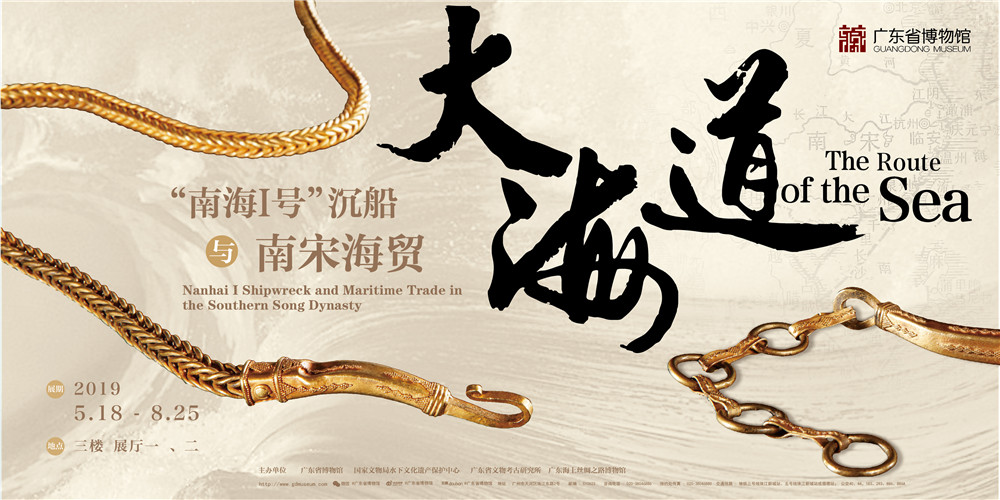
The Route of the Sea: Nanhai I Shipwreck and Maritime Trade in the Southern Song Dynasty
Since the opening of the Maritime Silk Road in the 2nd century BCE, merchant vessels have plied the seas for millennia, navigating both the glory of triumphant returns and the perils of the deep. Shipwrecks bear witness to the prosperity of ancient maritime routes and serve as invaluable materials for studying maritime Silk Road history.
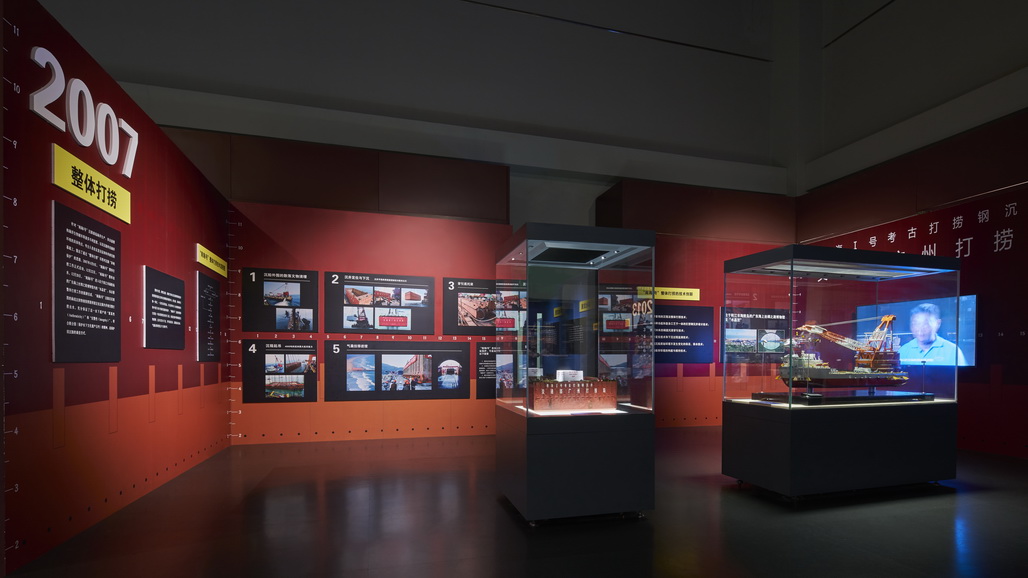
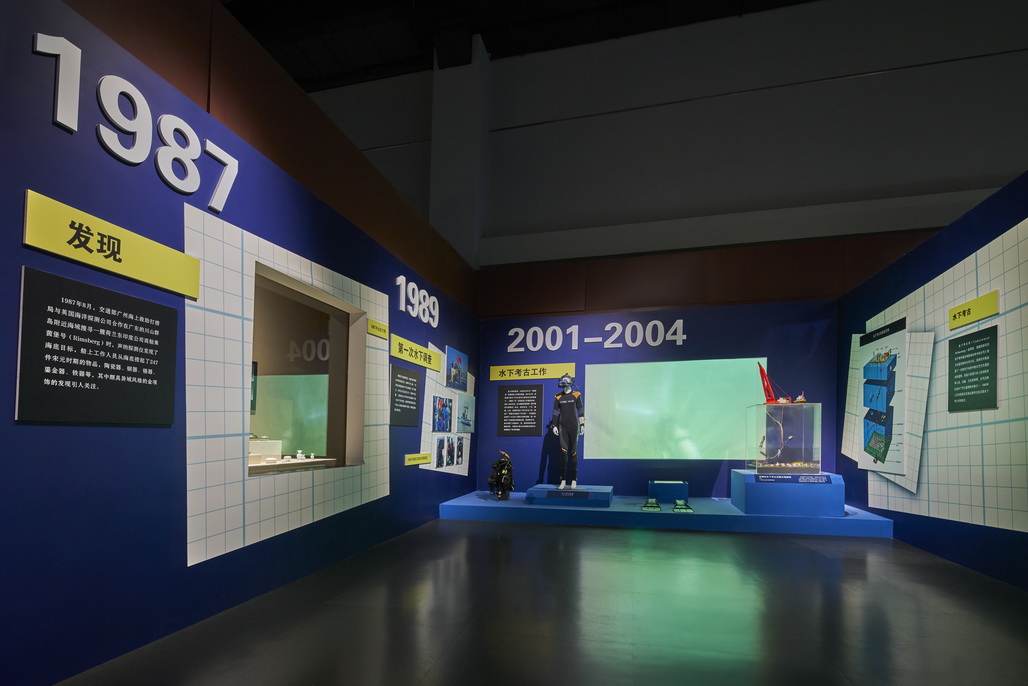
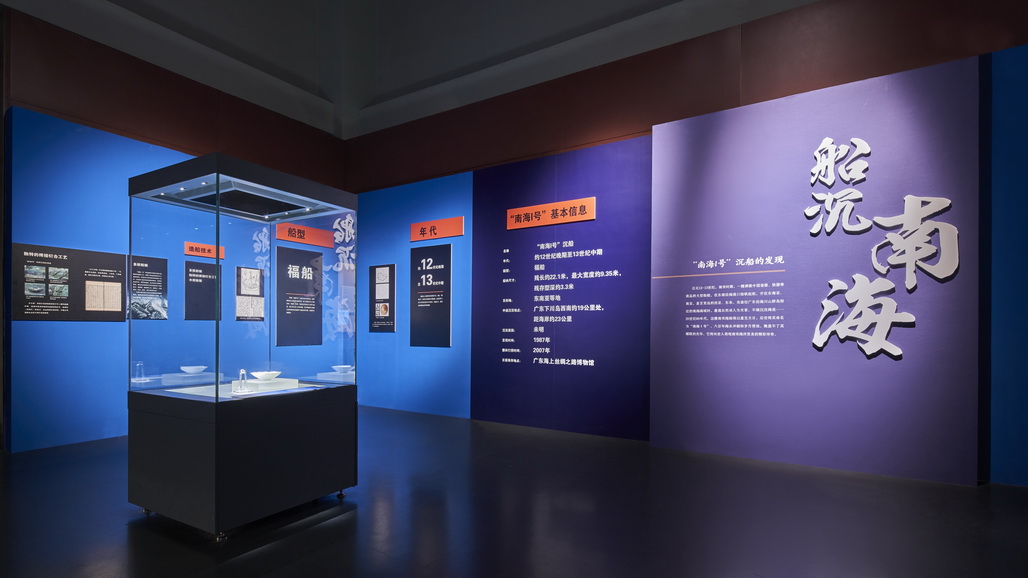
The protagonist of this exhibition, the Nanhai I Shipwreck, is one of the earliest, largest, and most well-preserved ocean-going merchant ships ever discovered in Chinese waters. It sank in the southwestern sea area off Xiachuan Island, Guangdong. Discovered in August 1987, it was raised in its entirety in December 2007 after two decades of surveys and archaeological preparation. The ship was subsequently relocated to the Maritime Silk Road Museum of Guangdong, where excavation and conservation work continues. Preliminary studies suggest that Nanhai I shipwreck departed from Quanzhou, Fujian, and sailed through Southeast Asia toward further destinations in West Asia during the Southern Song Dynasty.
The shipwreck is remarkably intact, with its cargo stored in orderly categories. More than 140,000 artifacts have been excavated, including objects of strong foreign influence, and diverse daily items of the crew. To fully explore the historical and scientific value of these cultural relics, and to showcase the prosperity of the maritime trade in Southern Song dynasty—together with ancient craftsmanship and contemporary efforts in cultural heritage conservation—the Guangdong Museum curated this major exhibition based on the latest underwater archaeological research.
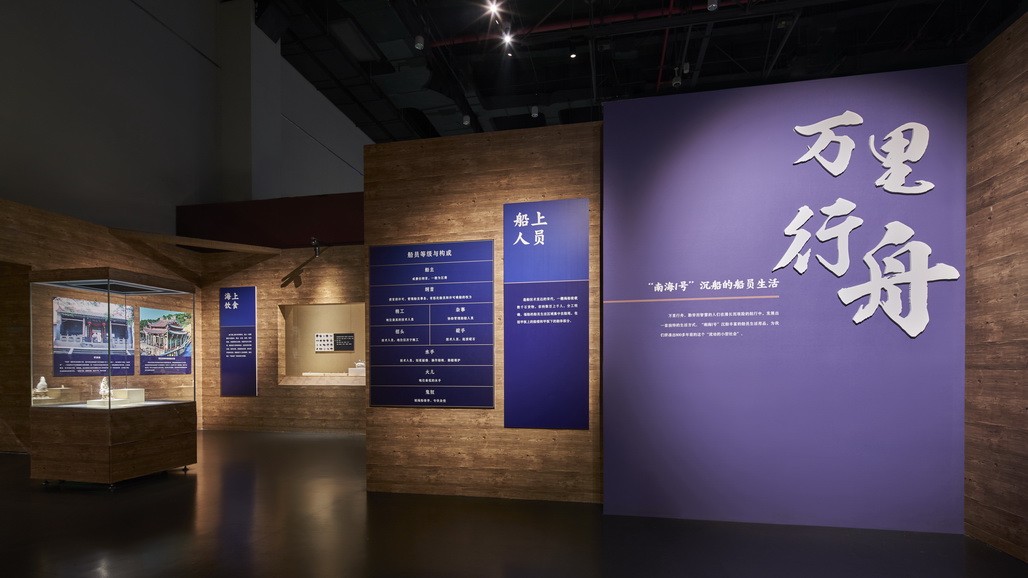
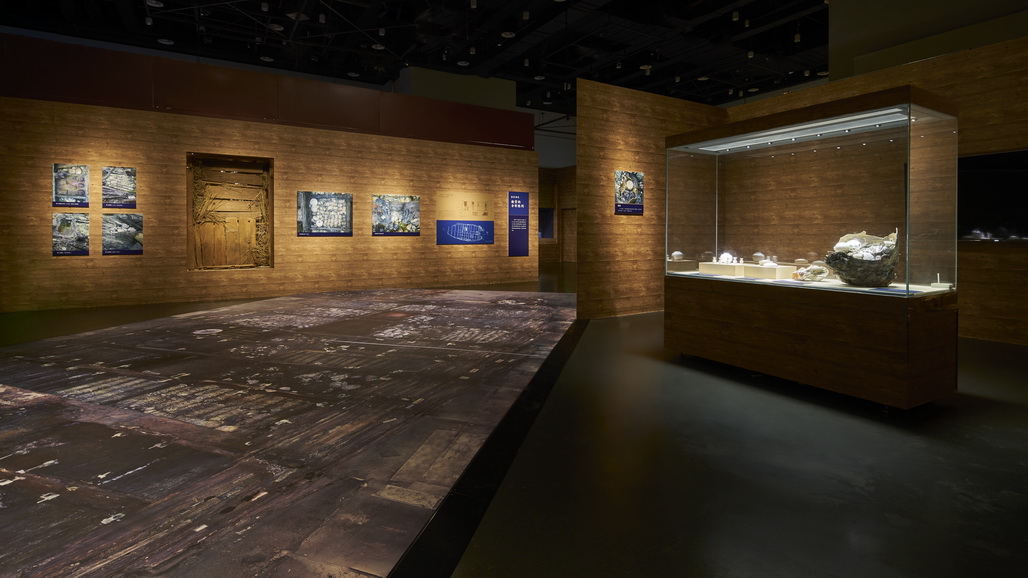
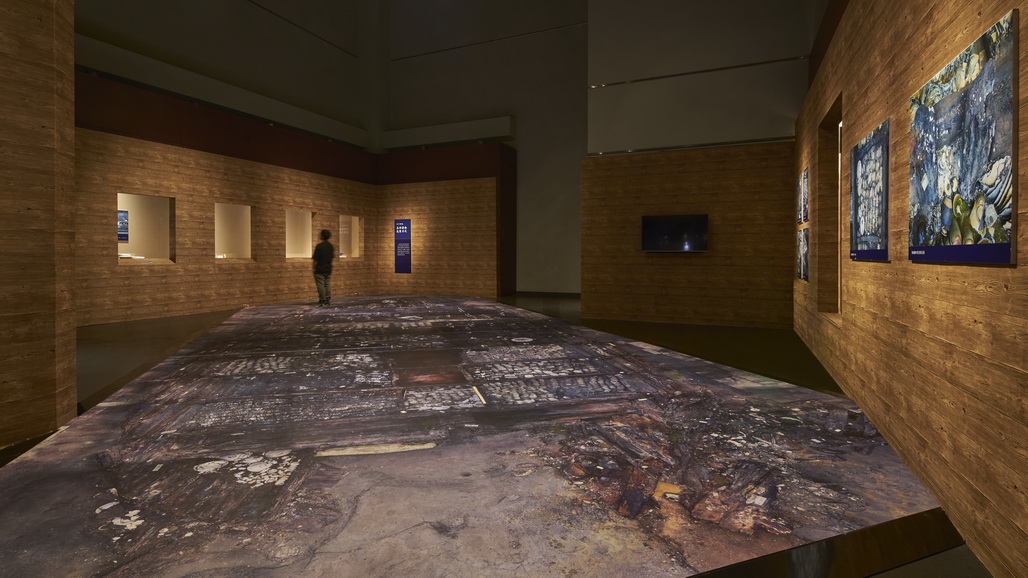
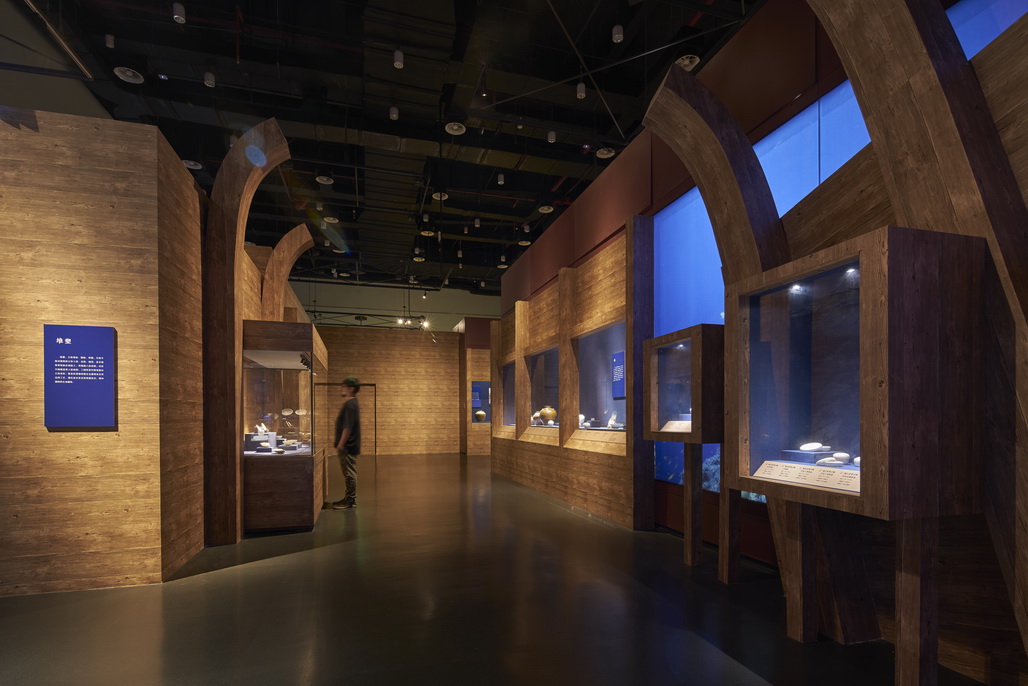
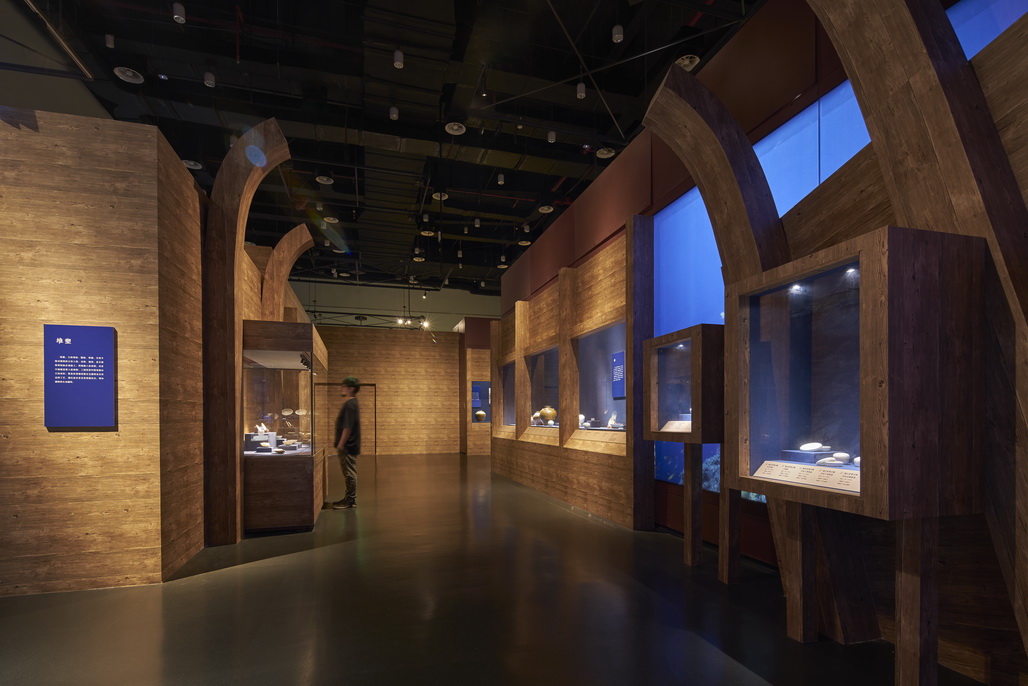
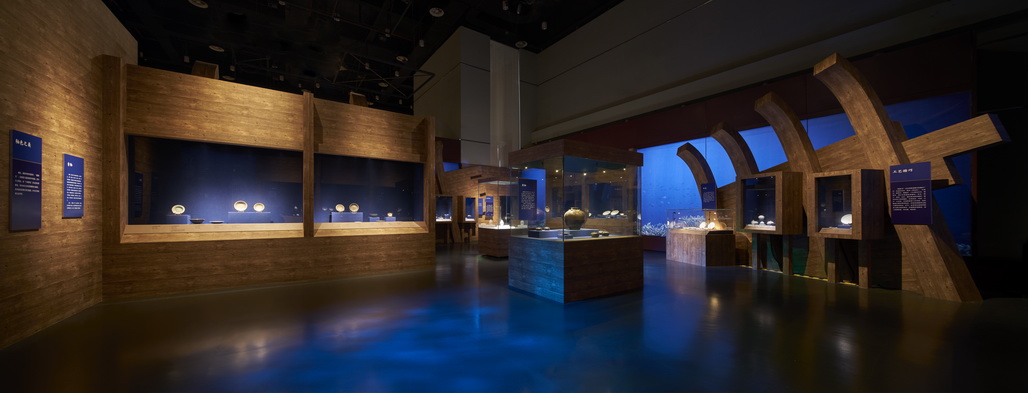
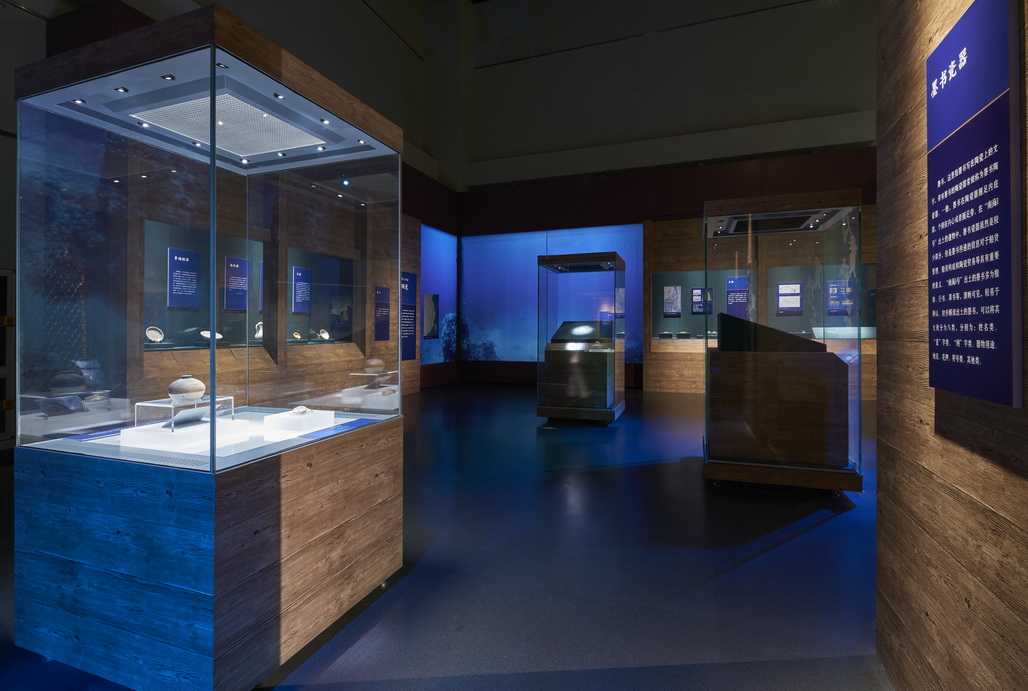
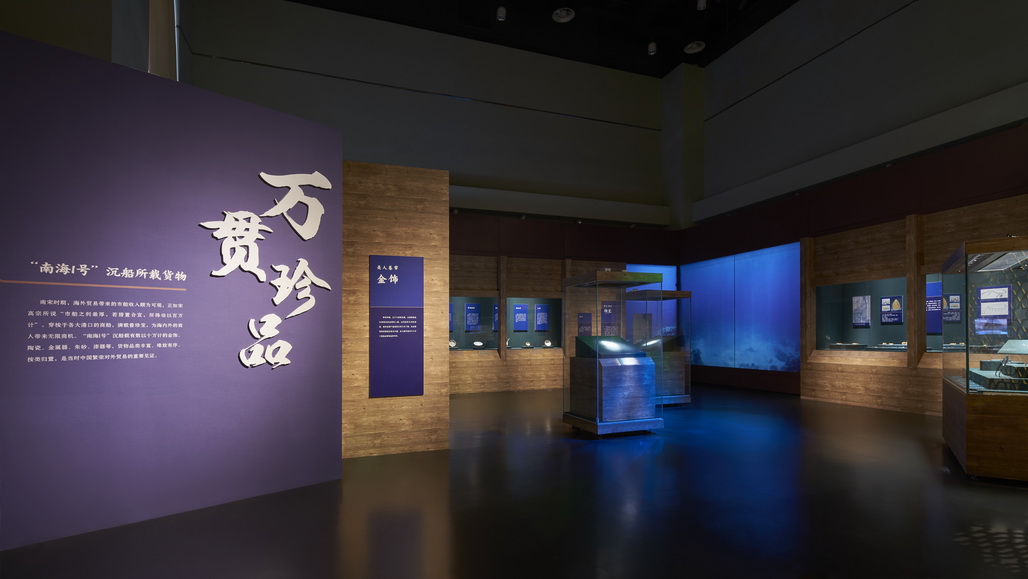
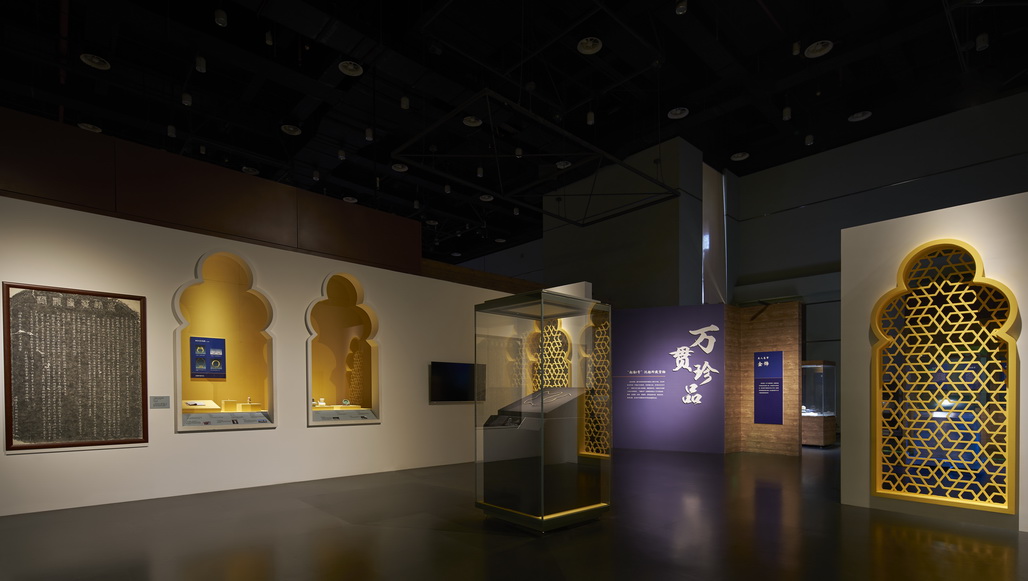
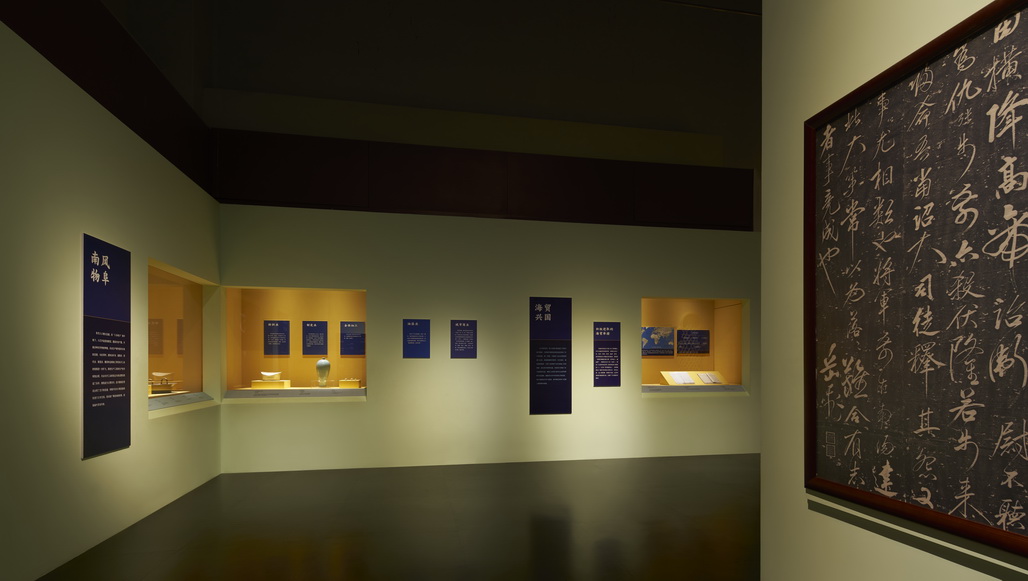
Jointly hosted by the Guangdong Museum, the Underwater Cultural Heritage Center of the National Cultural Heritage Administration, the Guangdong Provincial Institute of Cultural Relics and Archaeology, and the Maritime Silk Road Museum of Guangdong, the exhibition is scheduled from May 18 to August 25, 2019 in the No. 1 and No. 2 Exhibition Halls. More than 400 artifacts from Nanhai I shipwreck and related Southern Song collections are featured, including ceramics, gold and silver jewellery, metal objects, rubbings, and biological specimens. The exhibition consists of five parts: Revival of the Southern Song—The Era of Nanhai I, A Wealth of Treasures—The Cargo of Nanhai I, Voyage Across the Seas—Life of the Crew, A Ship Sunk in the South China Sea—Discovery of Nanhai I, and A Thirty-Year Search—Excavation and Conservation of Nanhai I.
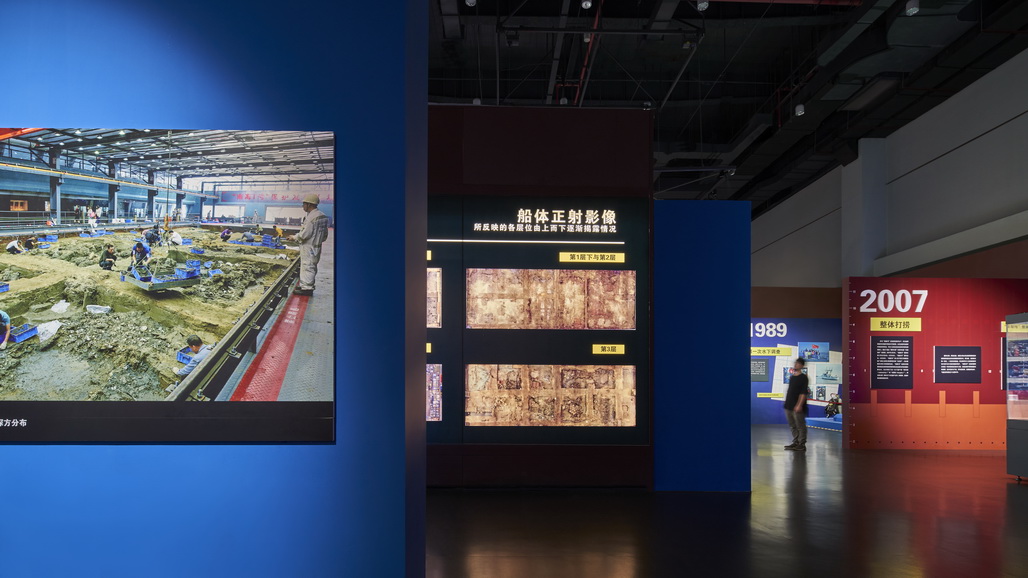
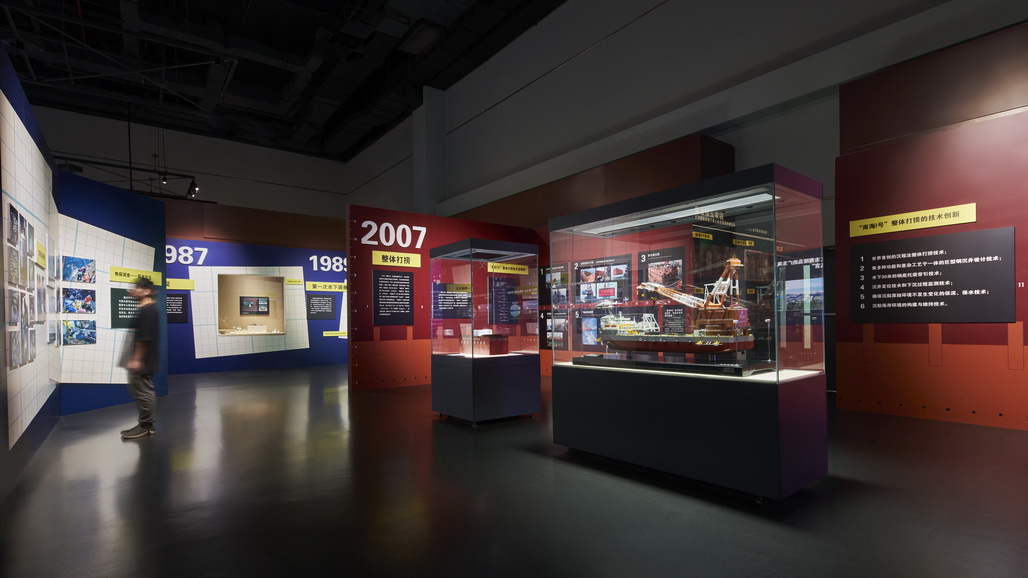
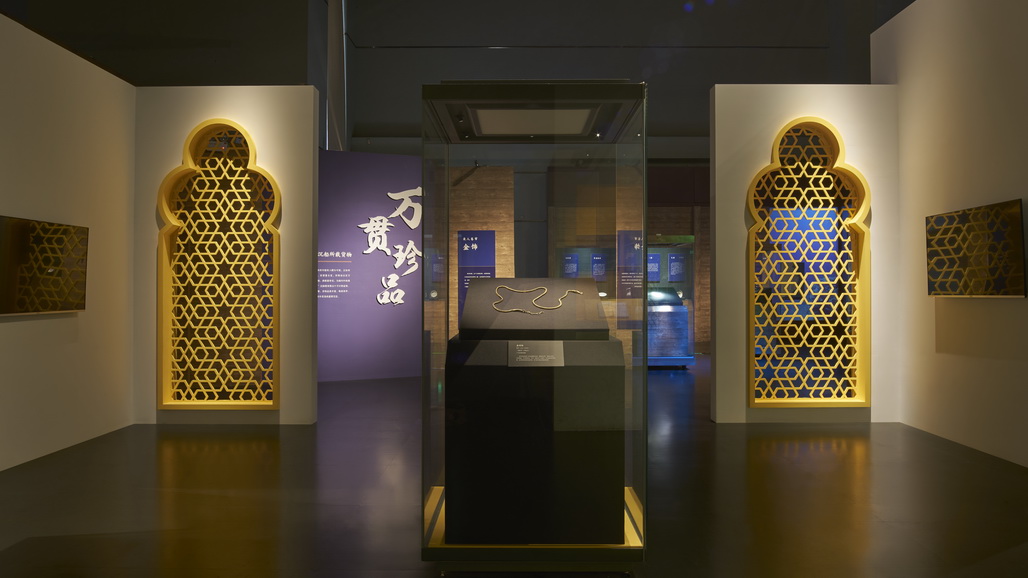
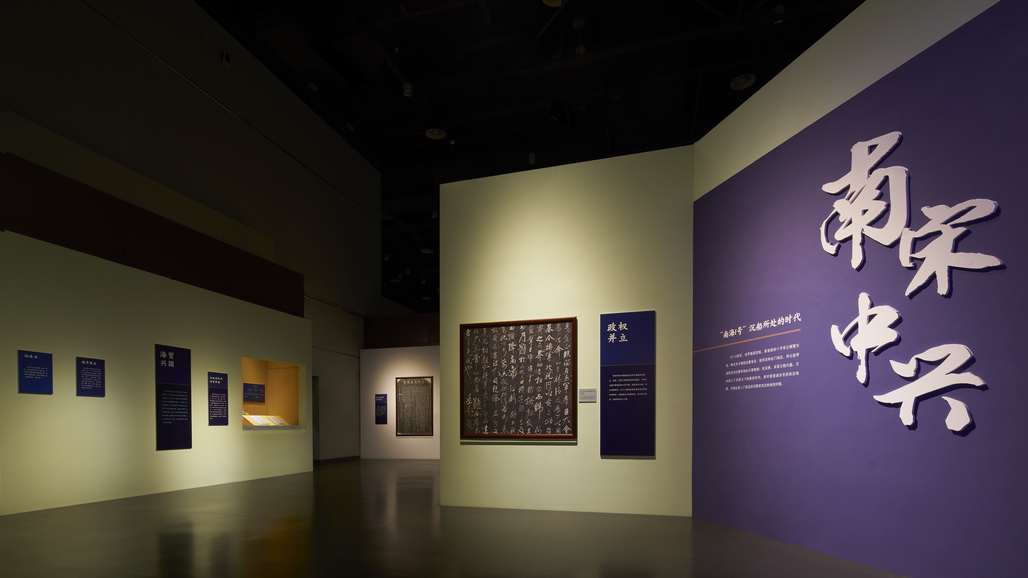
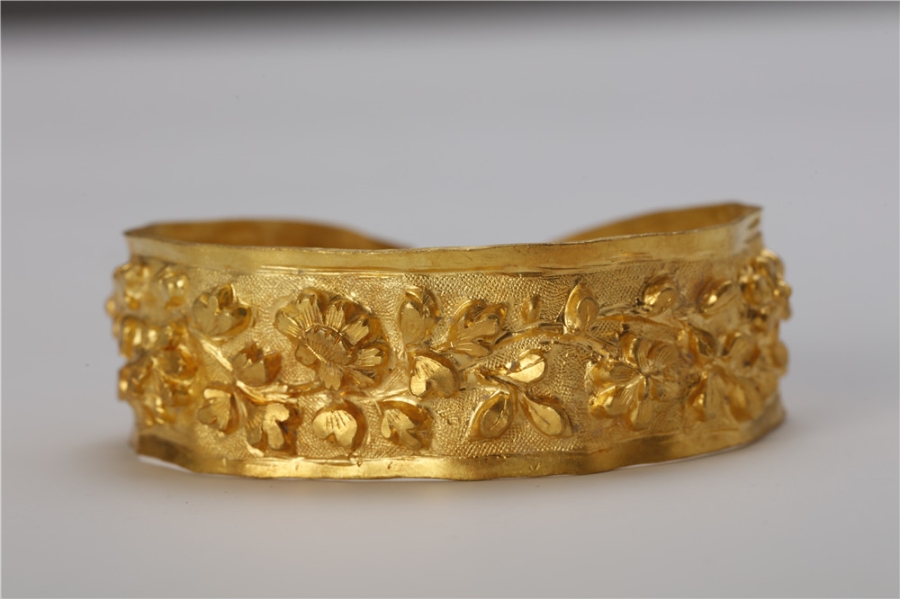
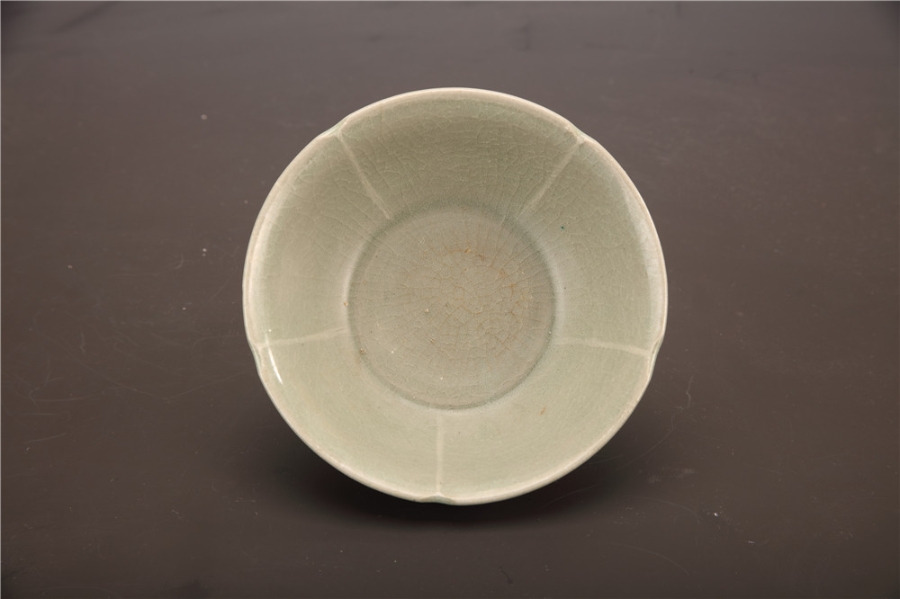
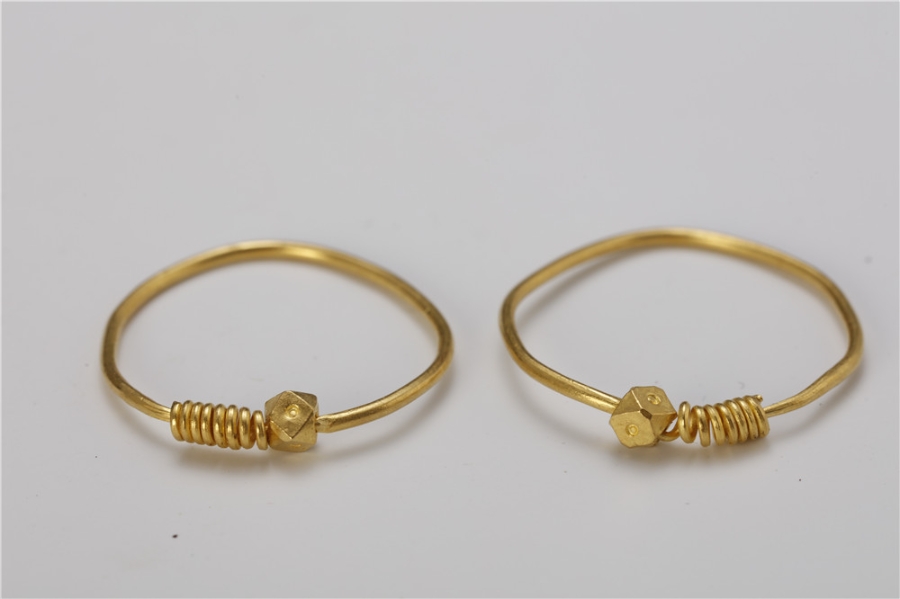
The first part leads visitors into the maritime world of eight centuries ago. As the Southern Song Dynasty sought economic revitalization amid threats from Liao and Jin, the land route declined. Maritime trade flourished under the policy of “seeking profit from waterways,” and Chinese goods became highly prized overseas. The more than 100,000 items aboard Nanhai I testify to this vibrant commerce. The second part, by displaying the cargo by category, shows the Chinese goods that were best-sellers overseas. The ship carried over 100,000 items, most of which were porcelains from famous export kilns in the southeast, such as Zhejiang's Longquan, Jiangxi's Jingdezhen, and Fujian's Dehua and Cizao kilns. The pure and elegant monochrome porcelains showcase the aesthetics in Song dynasty. The dazzling gold items are unique in style, including Arab, Song, and Liao styles, all exquisitely carved, demonstrating the superb skill of the craftsmen. Metalwares such as iron, copper, and tin reflect the manufacturing level of the Southern Song... The over 100,000 items of cargo were packed with special care. The exhibition restores a cargo-packing scene, allowing the visitors to feel the vast quantity of goods and the wisdom of the ancients in packing. On a ten-thousand-mile voyage, the industrious and wise people developed a unique way of life during the long and perilous journey. The third part of the exhibition shows the visitors the life of the crew on board, piecing together this "small, mobile society" from 800 years ago. The final part, through videos, photos, and simulated experiments, shows the outstanding contributions made by professionals from all walks of life over the past 30 years to the investigation, salvage, excavation and conservation of the "Nanhai I Shipwreck." At this point, the exhibition shifts its historical perspective from ancient to modern, reawakening the visitors' awareness of remembering, cherishing, and protecting cultural heritage.
This exhibition marks the first large-scale presentation of Nanhai I artifacts in Guangzhou. The curatorial team personally selected objects on site to ensure the most representative exhibits are displayed. The exhibits include porcelains, various metals, gold and silver wares, cinnabar, fruits, animal bones, crystals, bone and stone artifacts, ranging from the earliest finds in 1987 to the latest discoveries of 2019. The Song-Jin gold necklace showcased on CCTV’s National Treasure (Season 2) is also featured. The exhibition celebrates both ancient craftsmanship in shipbuilding, trade, and daily life, as well as modern expertise and dedication in the protection of cultural heritage.
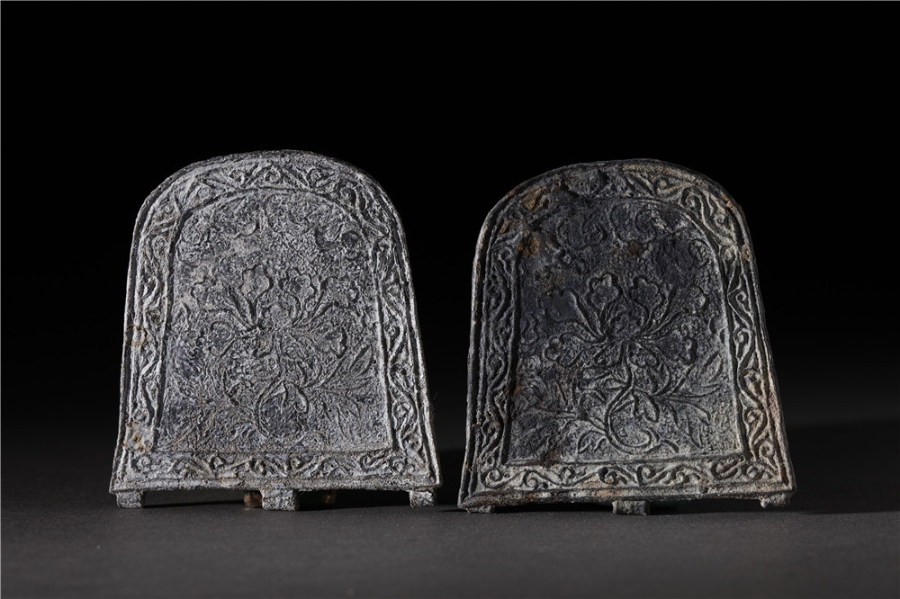
Highlights of the Exhibition
展厅掠影