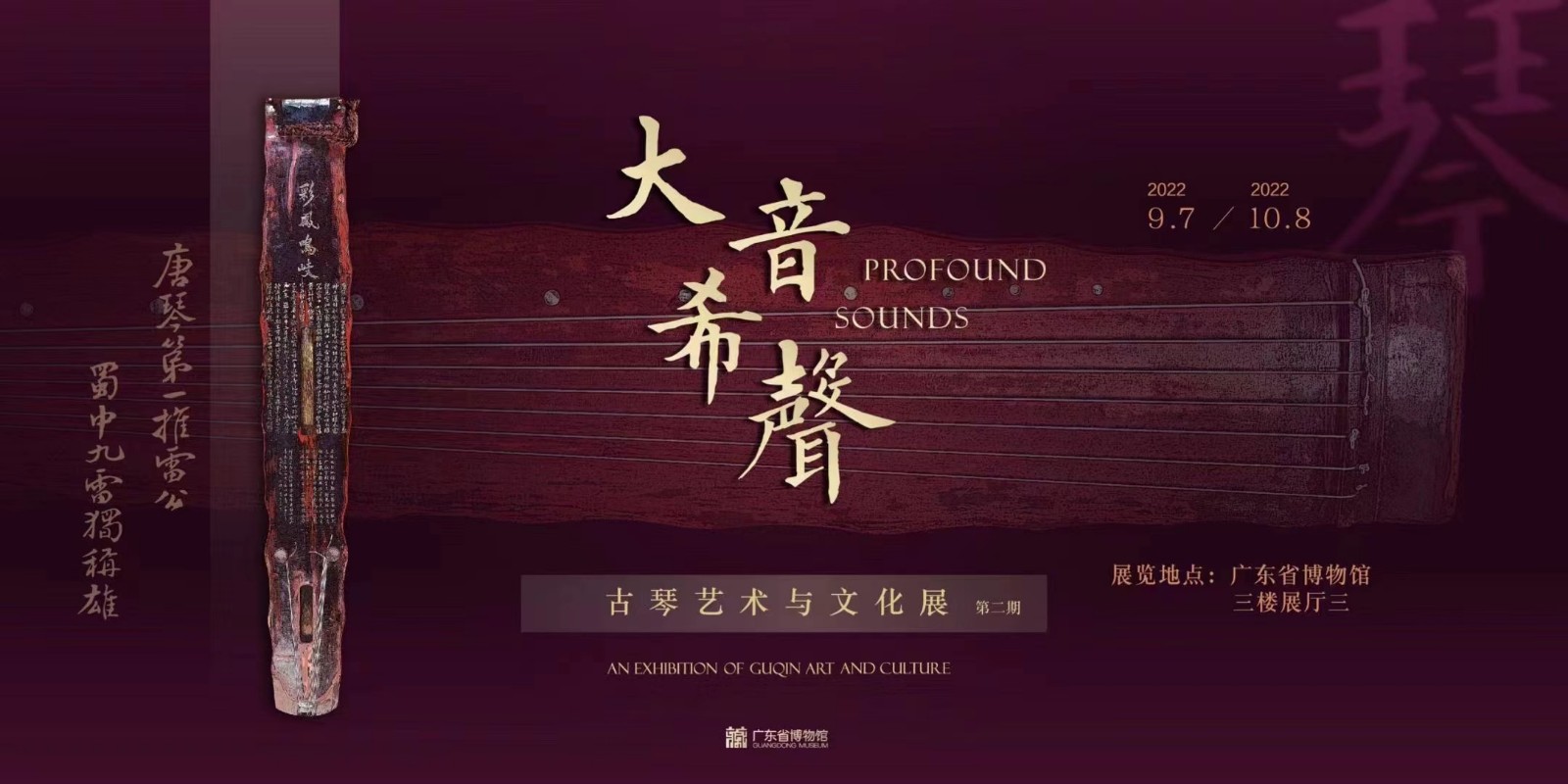
Profound Sounds: An Exhibition of Guqin Art and Culture (Phase II)
Date: September 7 – October 8, 2022
Venue: No. 3 Exhibition Hall, 3rd Floor, Guangdong Museum
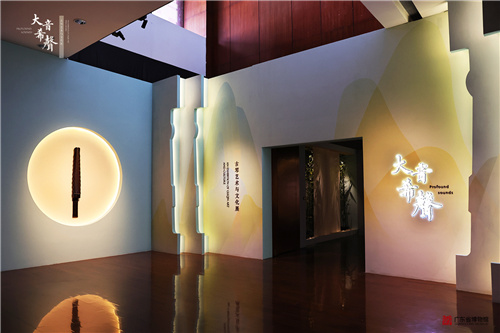
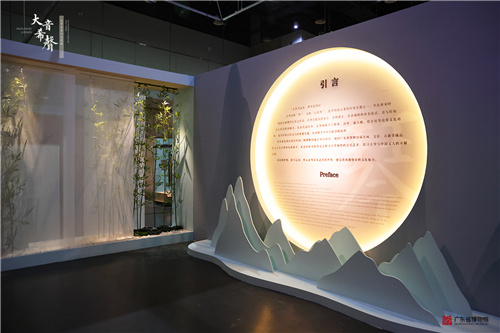
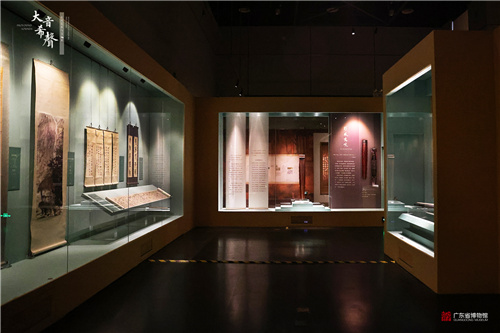
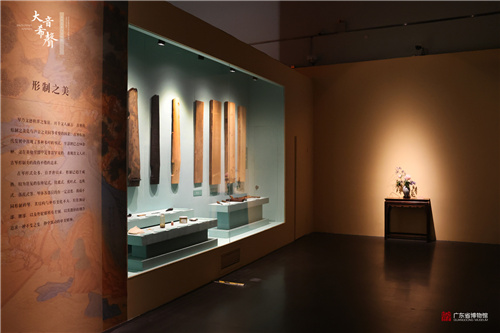
The Guangdong Museum's 2022 original exhibition, Profound Sounds: An Exhibition of Guqin Art and Culture, is divided into two phases. The first phase, held from May 17 to August 21, featured 22 Song, Yuan, Ming, and Qing dynasty guqins from the collection of the Chongqing China Three Gorges Museum, along with calligraphy, paintings, and scholarly tools from the Guangdong Museum's collection. Phase II differs in approach by combining the ancient and the contemporary, presenting not only historical artifacts but also the ongoing vitality of guqin craftsmanship and culture. Cultural heritage must be rooted in tradition, attentive to the present, and oriented towards the future. Through this exhibition, the museum hopes more visitors will gain an understanding of the guqin and appreciate its refined artistic beauty, finding inner harmony and serenity through traditional culture.
A Rarer Treasure: A Tang-Dynasty Guqin Over 1,300 Years Old
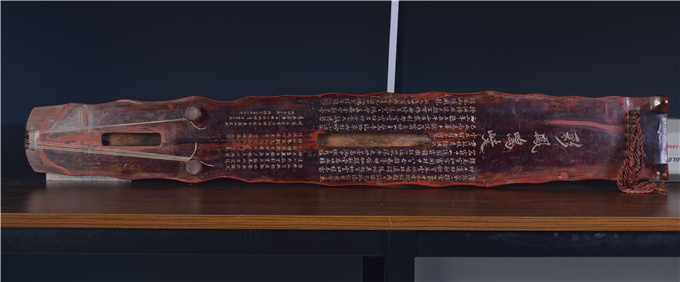
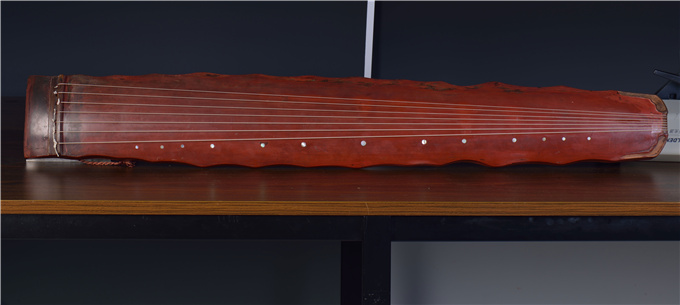
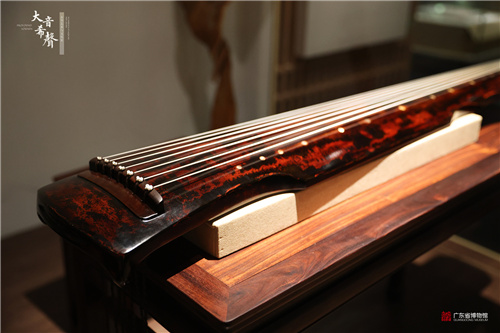
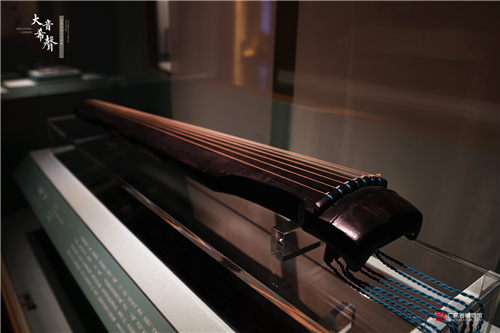
One of the star exhibits borrowed is the "Caifeng Mingqi" (“Phoenix Singing in the Valleys”), a Tang-dynasty seven-string guqin in the “Luoxia” form—one of the iconic treasures of the Zhejiang Provincial Museum. This qin has a history of over 1,300 years and was made by the famous Tang-dynasty maker Lei Wei. "Among Tang-dynasty qin, none surpass those of Master Lei; among the Nine Lei of Shu, his stands alone in renown." For scholars, poets, and nobles alike, possessing a qin made by Lei Wei was considered a mark of distinction. With a distinguished provenance—once owned by Prince Ding-Shen and later by the early 20th-century guqin master Yang Zongji—the guqin "Caifeng Mingqi" has been praised for its exceptional tone and remarkable historical significance.
A Rich Local Tradition: Lingnan Guqin Masterpieces
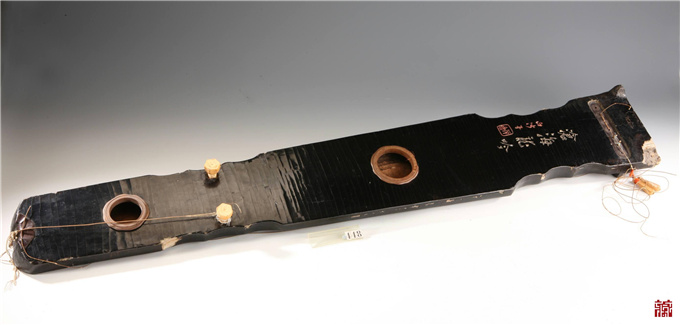
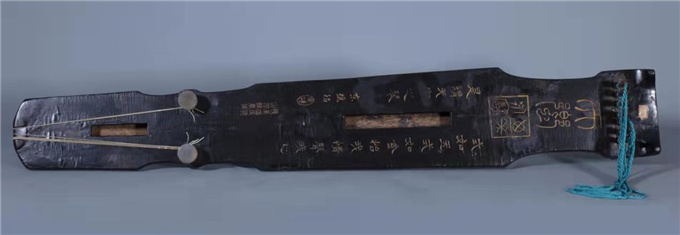
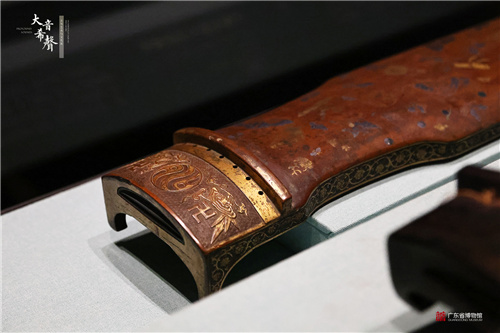
Following the relocation of the Southern Song court, numerous guqins and musicians settled in Lingnan, fostering the spread of the Gu Gang Yi Pu (Music Score Collection of Gu Gang) and giving rise to the southward development of orthodox guqin traditions. Phase II presents "Tianxiang", one of the four famous guqins of Guangdong, together with the museum’s Ming-dynasty "Jiayu" guqin and rare gem-set bronze guqin. These highlights illuminate the profound roots of Lingnan guqin culture.
Craftsmanship Alive: Intangible Cultural Heritage Demonstrations
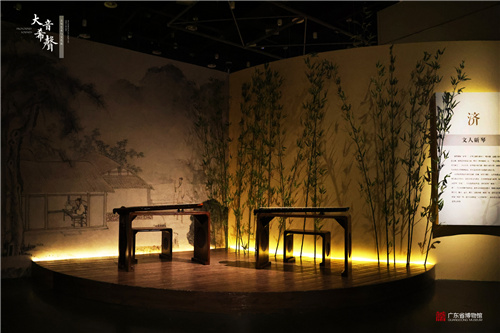
Refined craftsmanship sustains ancient melodies. The exhibition highlights the contemporary practice of guqin-making, presenting instruments by renowned makers Wang Peng, Mao Yi, and Chen Yimin. A dedicated demonstration area invites guqin makers to conduct regular live crafting sessions, while a series of public workshops offers visitors an immersive opportunity to explore this age-old craft.
Wang Peng
A contemporary guqin artist skilled in both making and playing, an aesthetic space designer, and a representative inheritor of the national-level intangible cultural heritage representative project "Art of the Guqin." He was the maker of the guqin for the opening ceremony of the 2008 Beijing Olympics. He has restored over 100 historical Tang- and Song-dynasty qin and created over 100 new qin styles. His guqins have been played in venues worldwide, including the Vienna Musikverein, the Sydney Opera House, Carnegie Hall, and the Jerusalem Theatre, and have been presented as state gifts.
Chen Yimin
A representative inheritor of the provincial-level intangible cultural heritage representative project "Guqin Making Technique," and one of the "100 Master Hands of Guangzhou Culture." He is currently a director and consultant for the Guangdong Guqin Research Association. At the age of 36, Chen Yimin began studying qin restoration and making under the Lingnan guqin master Yang Xinlun. Under his master's guidance, he repaired over ten heirloom qins, including the Babaohui Qin, and successively crafted over ten guqins, such as Gu Gang, Wu Guo, Bi Jian Liu Quan, and Qiu Quan. The greatest feature of his technique is adherence to ancient methods, while also achieving breakthroughs in "baina" (patchwork) and "multi-layer soundboard" techniques. His works are in the collections of the Guangzhou National Archives and the Guangdong Intangible Cultural Heritage Protection Center.
Mao Yi
Born in 1968. A contemporary guqin player and maker, he graduated from the Chubu Technical Academy of Musical Instruments, Japan, in tuning, and from the Nanjing University of the Arts in composition and theory. He has been playing for over 40 years and is a 12th-generation inheritor of the Guangling School and a 6th-generation inheritor of the Zhucheng School. He studied from childhood with his grandmother, Ms. Gao Songru (5th-generation inheritor of Zhucheng School), and Mr. Mei Yueqiang (11th-generation inheritor of Guangling School). He was the maker of the national gift "qin" for the 2018 SCO Summit.
The exhibition brings together the past and the present, offering a glimpse that spans a thousand years.
Highlights
|
|
|
|
|
Highlights Exhibition Views
|
|
|
|
|
|
|
|