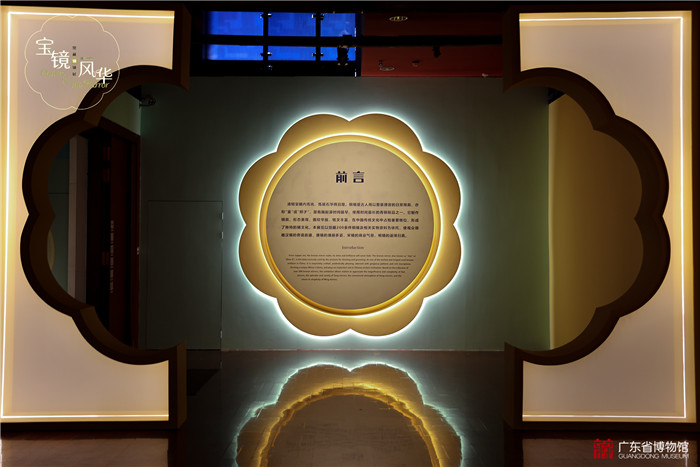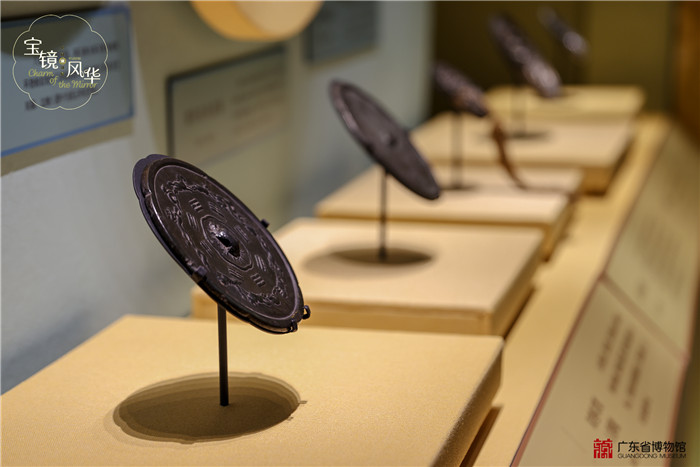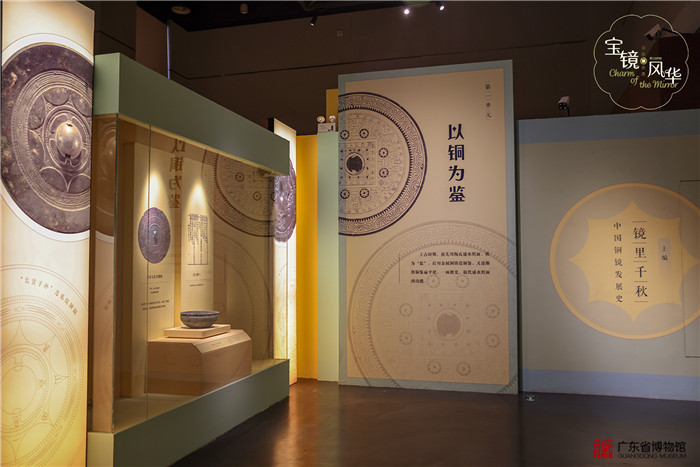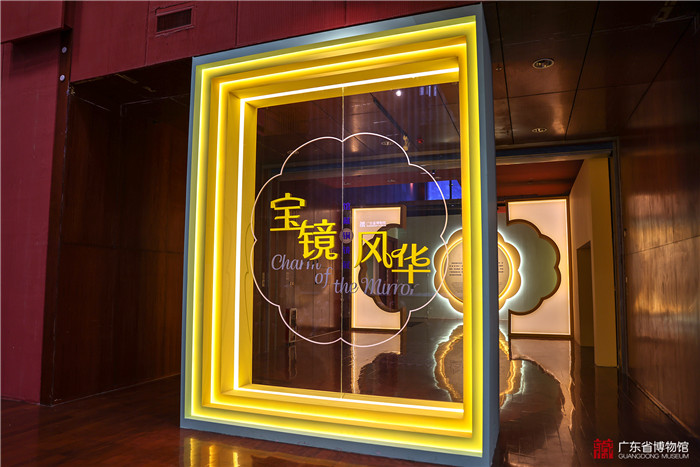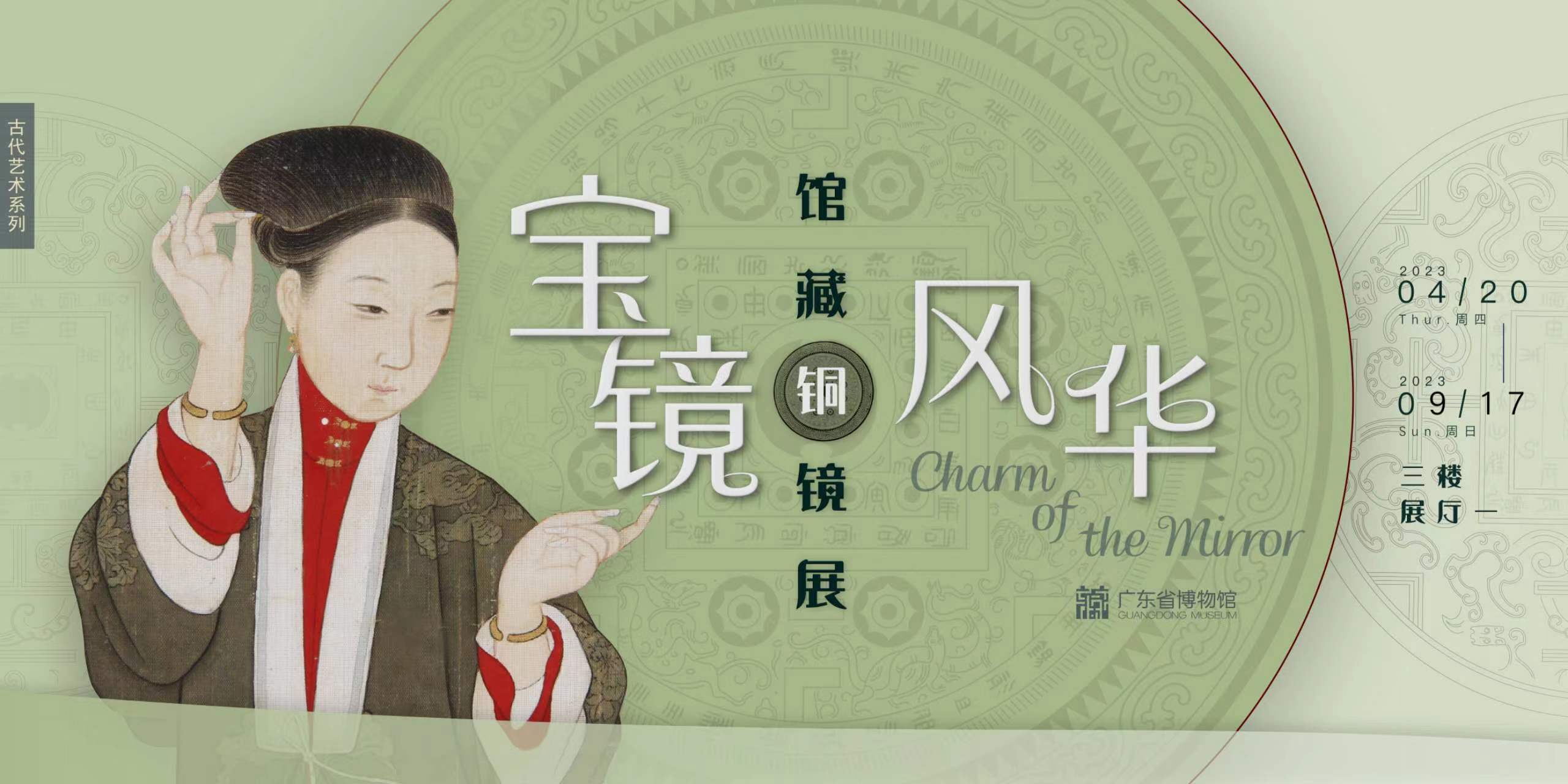
Organized by the Guangdong Museum, Charm of the Mirror: An Exhibition of Bronze Mirrors opened on 20 April in No. 1 Exhibition Hall on the 3rd floor of Guangdong Museum. Over 200 bronze mirrors and related artifacts are on display. The exhibition runs until August 20, 2023.
Bronze mirrors, among the earliest and longest-used bronze objects in China, hold an important place in traditional culture. They reflect the evolution of bronze-casting techniques, shifts in aesthetic taste and social customs, as well as exchanges and mutual learning between Chinese and foreign cultures. Bronze mirrors thus possess exceptional artistic and academic value.
The exhibition presents over 200 artifacts from the Guangdong Museum collection, including bronze mirrors, associated accessories, and related paintings and calligraphy. Spanning the Warring States period to the Ming and Qing dynasties, together with Japanese-style mirror (Wakagami) and glass mirrors from the Ming and Qing dynasties, the exhibition offers a comprehensive overview of the historical development of bronze mirrors in China, the evolution of cultural traditions in China, and the dynamics of cross-cultural exchange. Through this exhibition, we hope to deepen the visitors' understanding of outstanding traditional Chinese culture, to learn about the extraordinary achievements of ancient Chinese copper smelting and casting technology, and to participate in the process of vitalizing and utilizing bronze mirror artifacts.
Exhibition Structure
The exhibition is divided into two main parts. The first part, A Thousand Years Reflected: The History of Bronze Mirrors in China, includes six sections—Bronze as a Mirror, Warring States Mirrors, Splendor and Imagination: Han-Dynasty Mirrors, Grace and Brilliance: The Flourishing of Tang Mirrors, Elegant Refinement: Song and Yuan Mirrors, and A Return to Simplicity: Ming and Qing Mirrors—tracing the development of bronze mirrors chronologically and explaining their evolving forms, motifs, subjects, and inscriptions in detail.
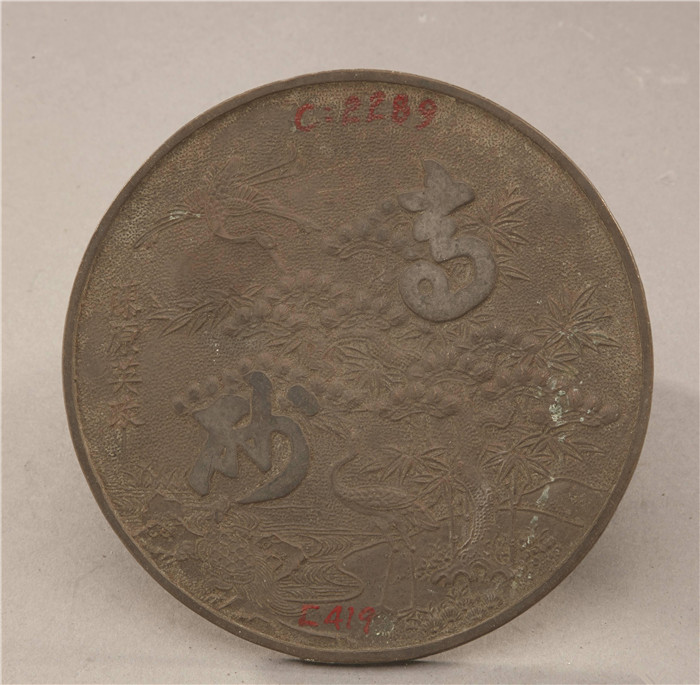
The second part, A World in Reflection: Transformations of the Bronze Mirror, consists of three sections—Mirrors from Afar: Japanese Mirrors in the Collection, A Brilliant Flow of Light: The Introduction of Glass Mirrors, and Cultural Resonances: Traditional Mirror Culture. The first two sections explore Japanese Wakagami, which were influenced by Chinese bronze mirrors before developing distinctive local styles, and the glass mirrors introduced from the West during the Ming and Qing dynasties. The third section examines the rich cultural meanings embedded in mirror traditions through three groups of display: archaistic mirrors, women and mirrors, and customs such as polishing and “listening” to mirrors.
Highlights of the Exhibition
Clear Timeline, Rich Variety
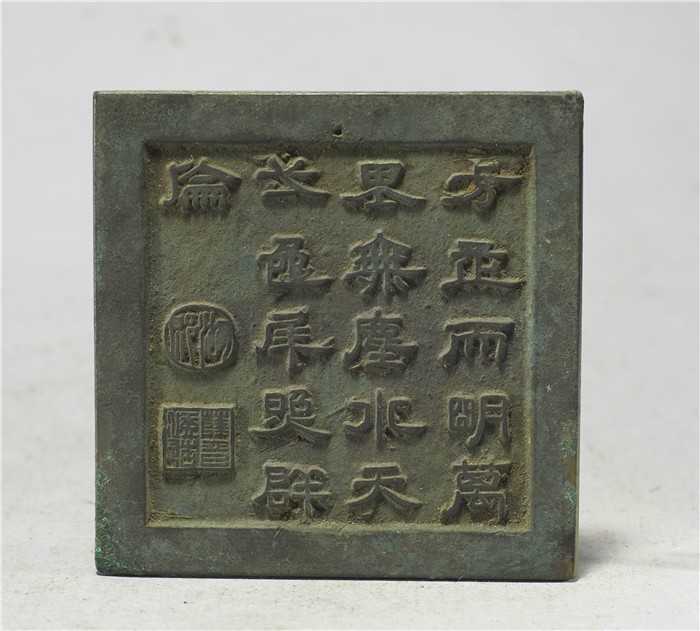
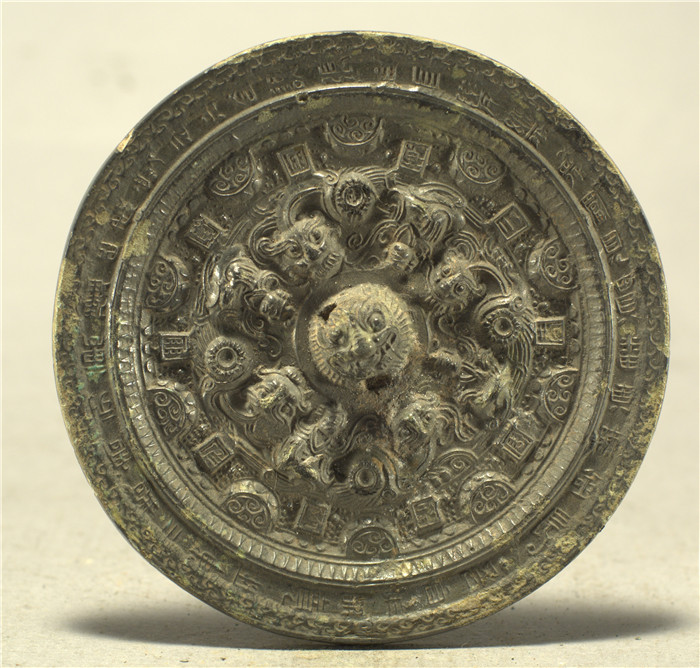
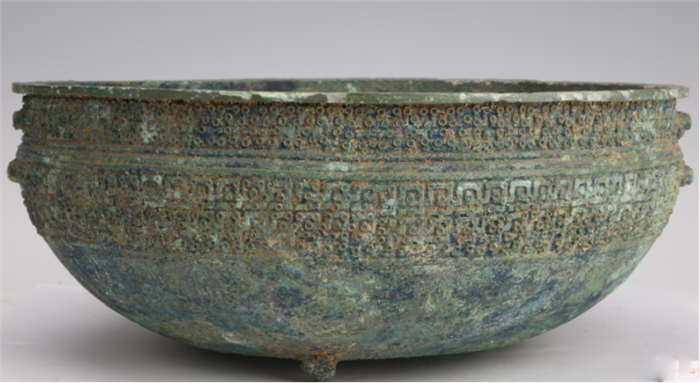
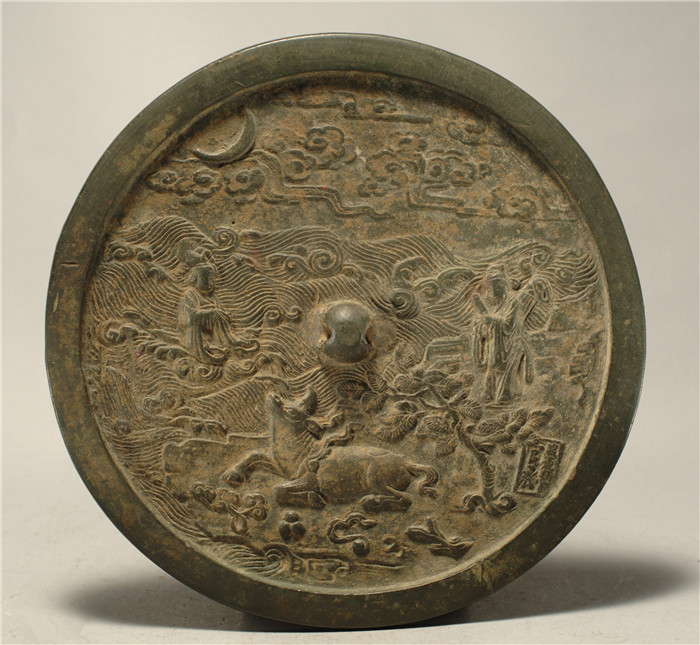
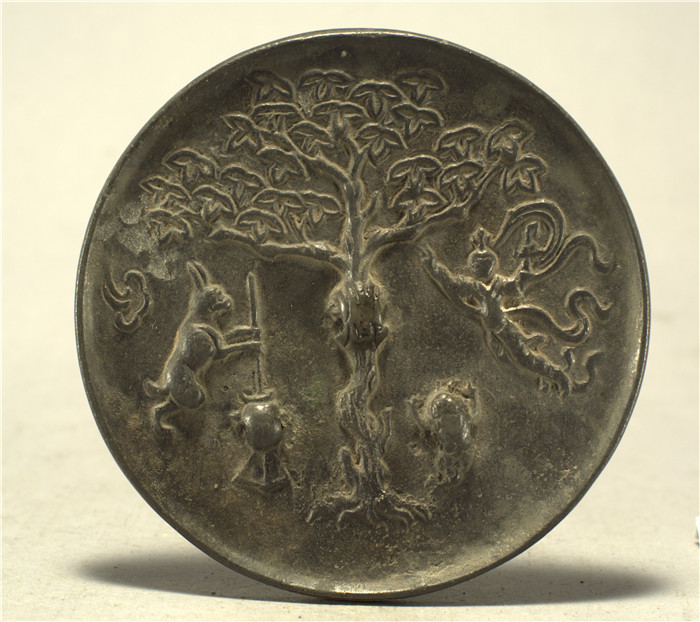
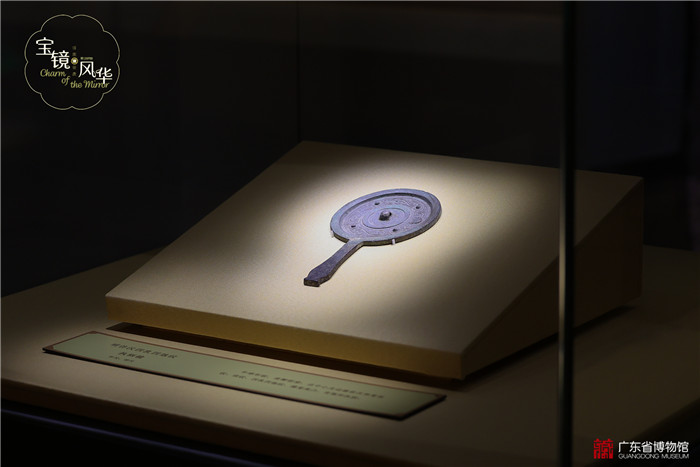
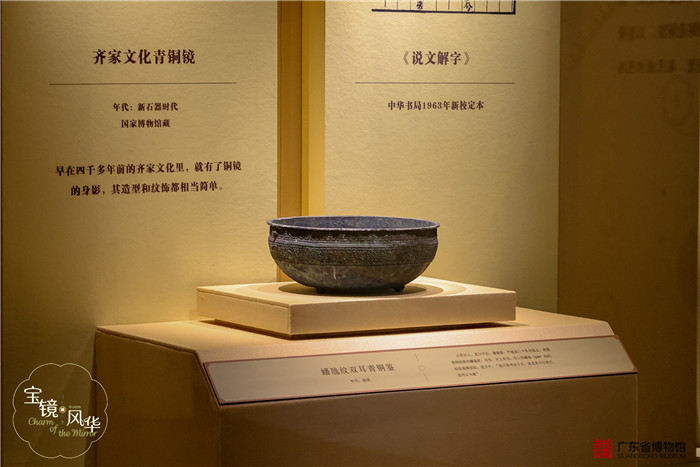
With a large quantity of exhibits spanning a broad time frame, the exhibition presents diverse mirror types marked by distinct period characteristics. It opens with a Warring States bronze jian (water basin) to illustrate the shift from reflective basins to handheld mirrors. The Han Dynasty was a peak in the history of Chinese bronze mirrors. The Han mirrors in this exhibition feature typical patterns such as boju (TLV), "mountain"-character, and panhui (interlaced-serpent) patterns, and bear common Han mirror inscriptions like “May your descendants prosper” and “See the light of the sun,” and "Great joy, wealth, and honor," revealing the artistic achievements of the period. Bronze mirrors of Tang dynasty—another golden age—include sunflower-shaped mirrors, lozenge-shaped mirrors, and mirrors decorated with grape-and-beast motifs, floral designs, and Daoist immortals, capturing the era’s vibrant and open spirit. Song-dynasty commercial prosperity is reflected in mirrors with trade inscriptions and narrative scenes, illustrating the dynamism of urban life. For the Ming and Qing dynasties, mirrors increasingly became everyday objects, and thus related artifacts such as dressing boxes, jewelry, and paintings are displayed to evoke the lived context of mirror use.
This exhibition systematically surveys the Guangdong Museum’s bronze mirror collection, revealing their historical value and cultural significance, and offering a broad view of the development of Chinese bronze mirrors—an illuminating window into the millennia-long evolution of Chinese civilization.
Cross-Cultural Exchange and Mutual Learning
Many exhibits in the exhibition embody the cultural exchange between China and the wider world. The grape-and-beast mirror, popular in the flourishing Tang dynasty, features motifs such as grapes and lions—both introduced along the Silk Road and emblematic of Eurasian cultural encounter. Japanese Wakagami, originally modelled on Chinese mirrors, developed unique local aesthetics and were later exported back to China during the Edo period, becoming widespread in southeastern coastal regions. It is a vivid testament to Sino-Japanese cultural integration and exchange. From the Ming and Qing dynasties onward, as global interactions intensified, Western glass mirrors entered China and gradually replaced bronze mirrors in daily life.
As Guangdong has long been a key gateway for China’s foreign trade and cultural interaction, the exhibition enables visitors to better understand the history of cross-cultural exchange through these remarkable artifacts.
Highlights of the Exhibition
|
|
|
|
|
|
Highlights Exhibition Views
|
|
|
|
|
|
|
|