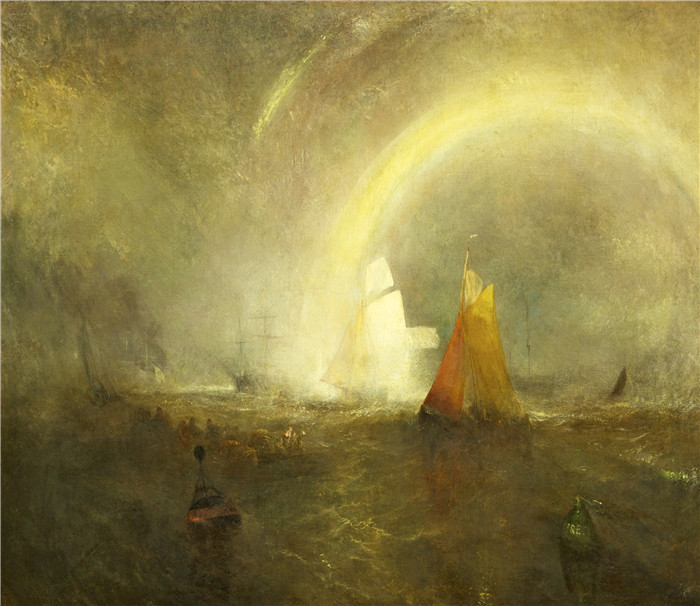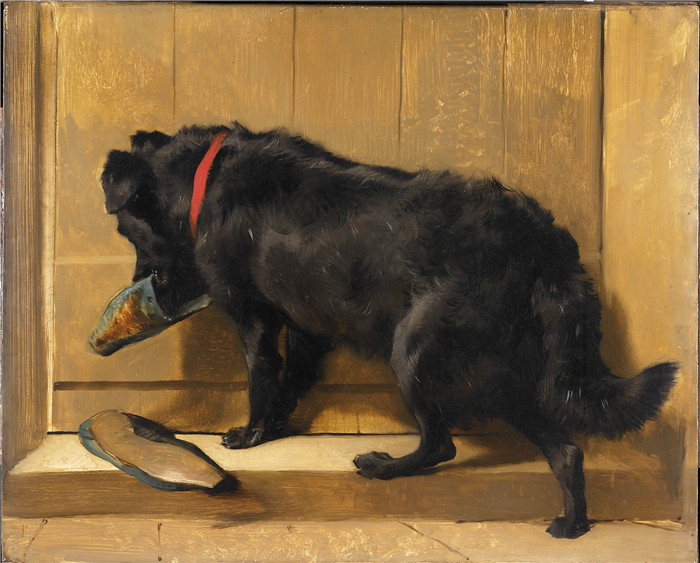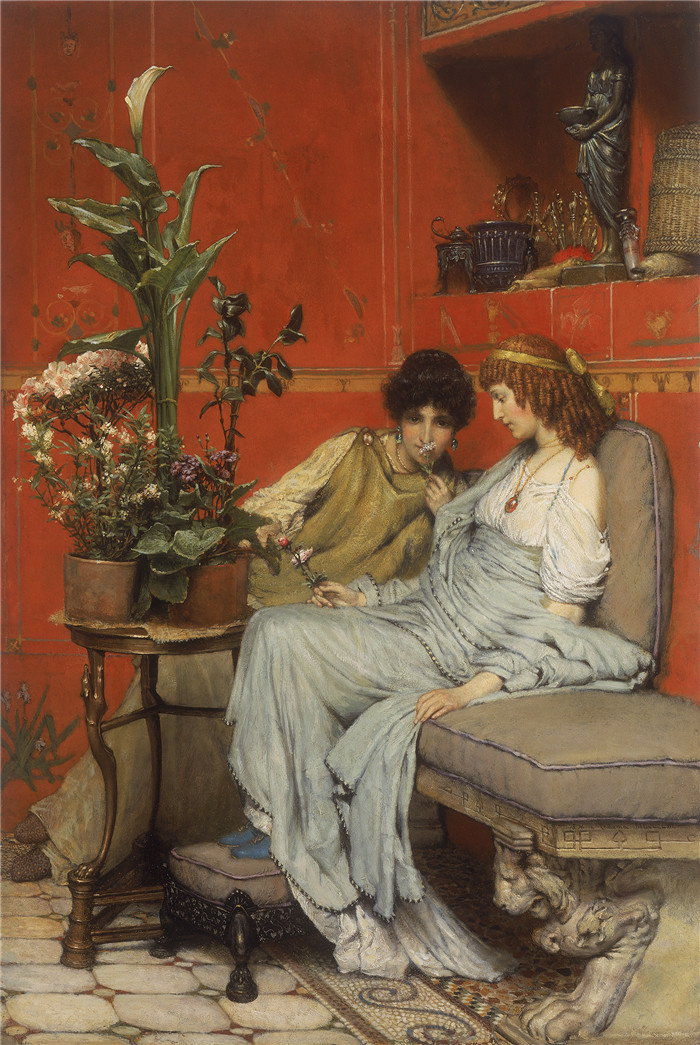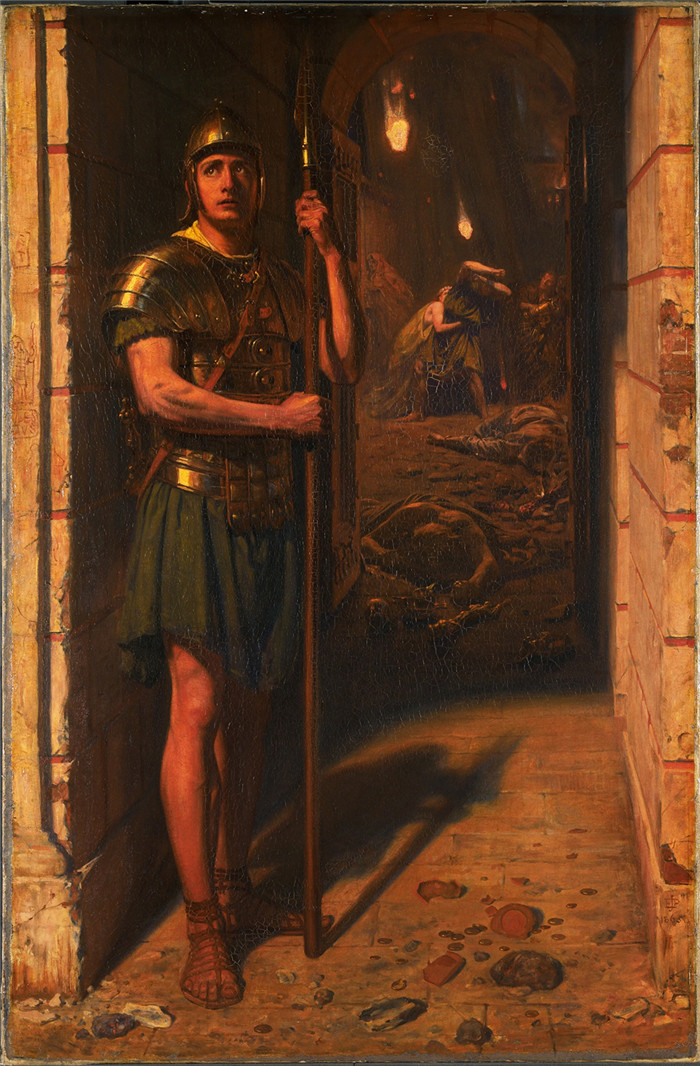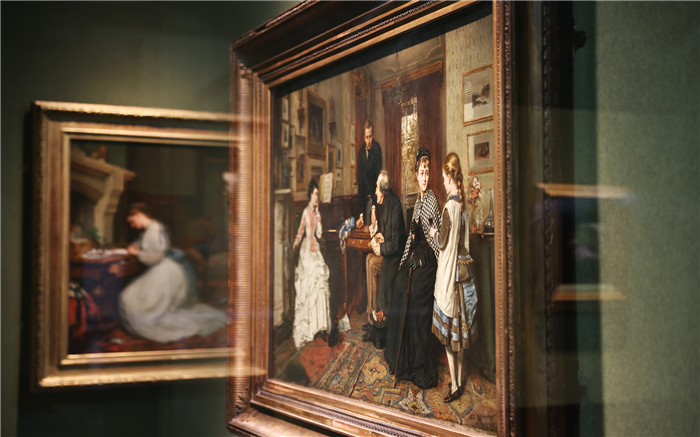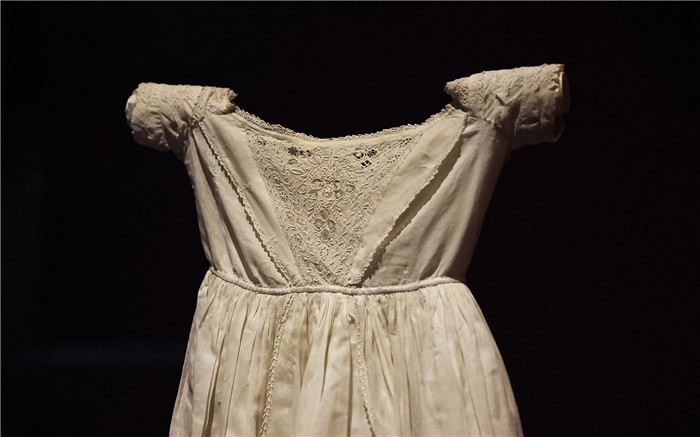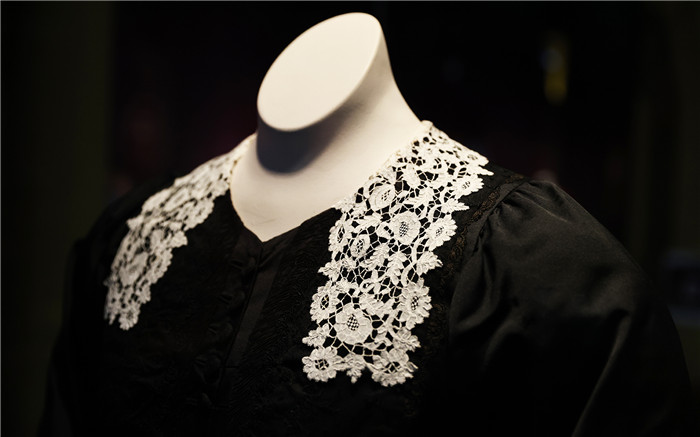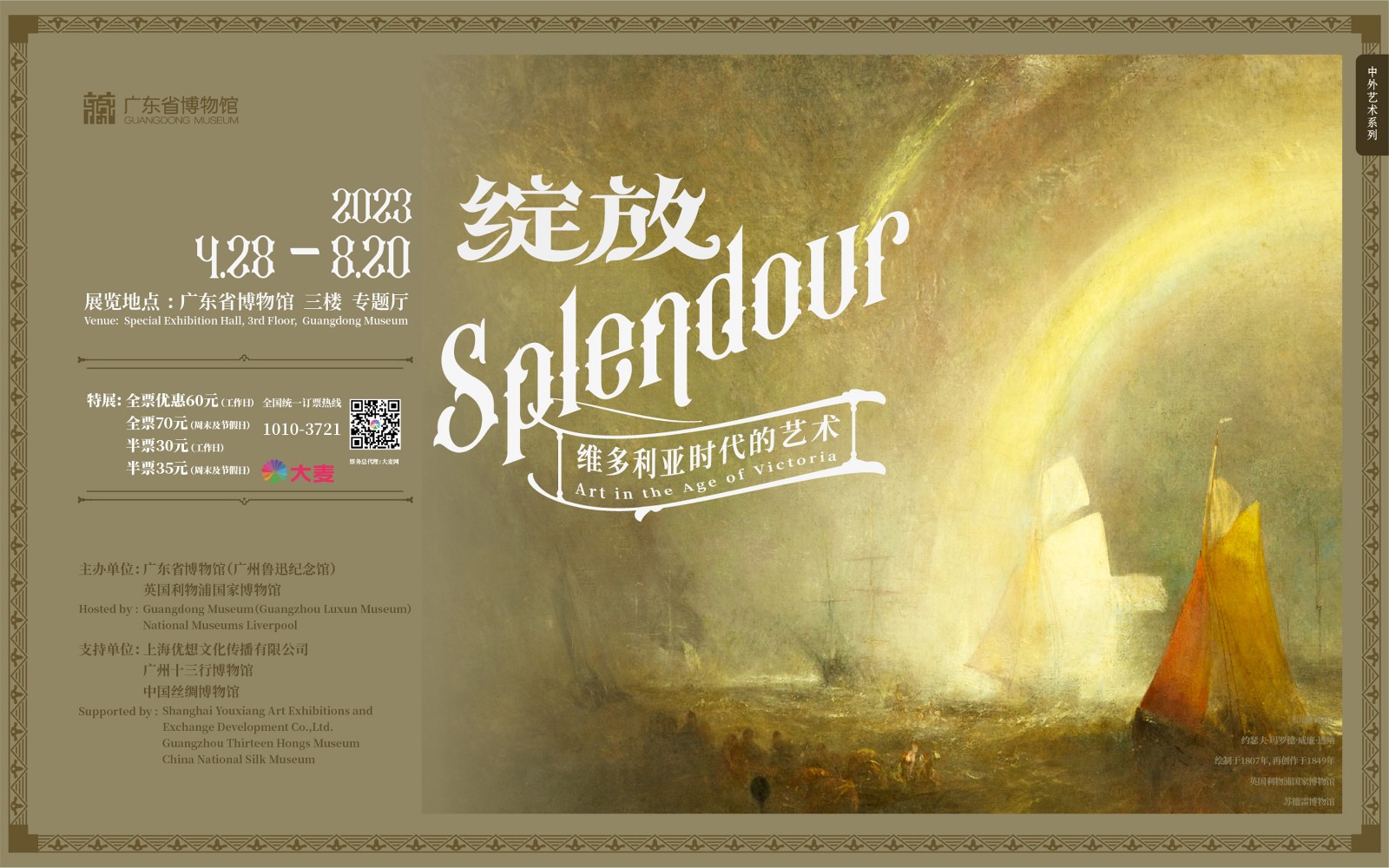
On April 28, Splendour: Art in the Age of Victoria opened in the Special Exhibition Hall on the 3rd floor of the Guangdong Museum. Large in scale and rich in variety, the exhibition marks the first major presentation of Victorian art in China. It offers the public an overview of the flourishing developments in British painting during this period, while encapsulating the vibrant diversity of 19th-century European art. The exhibition runs until August 20.
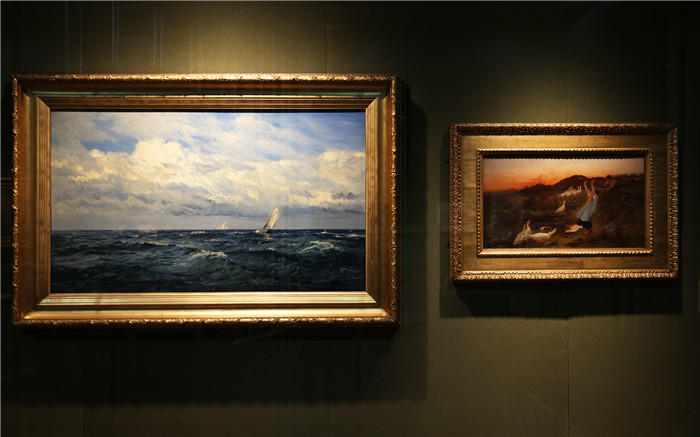
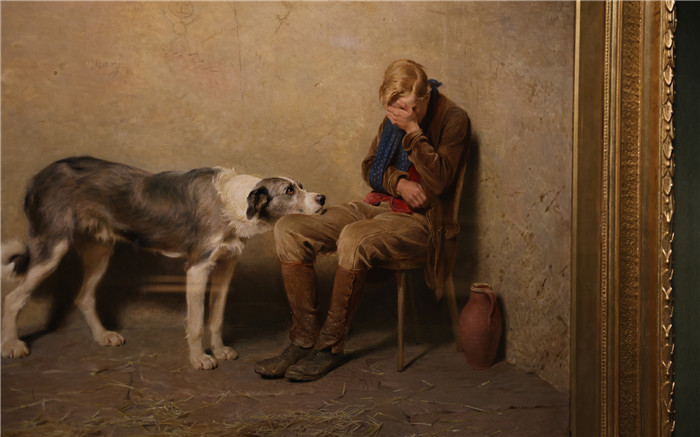
The Victorian era (1837–1901) coincided with the height of Industrial Revolution in Great Britain. Social prosperity fuelled a flourishing artistic landscape, where diverse movements emerged. Among them were Romantic landscape masters such as J. M. W. Turner, who captured light and colour with remarkable skill; the Pre-Raphaelite Brotherhood, which initiated a new aesthetic sensibility; and classical painting practices that helped define a refined British artistic style. Their innovation and achievements wrote a brilliant chapter in the history of world art.
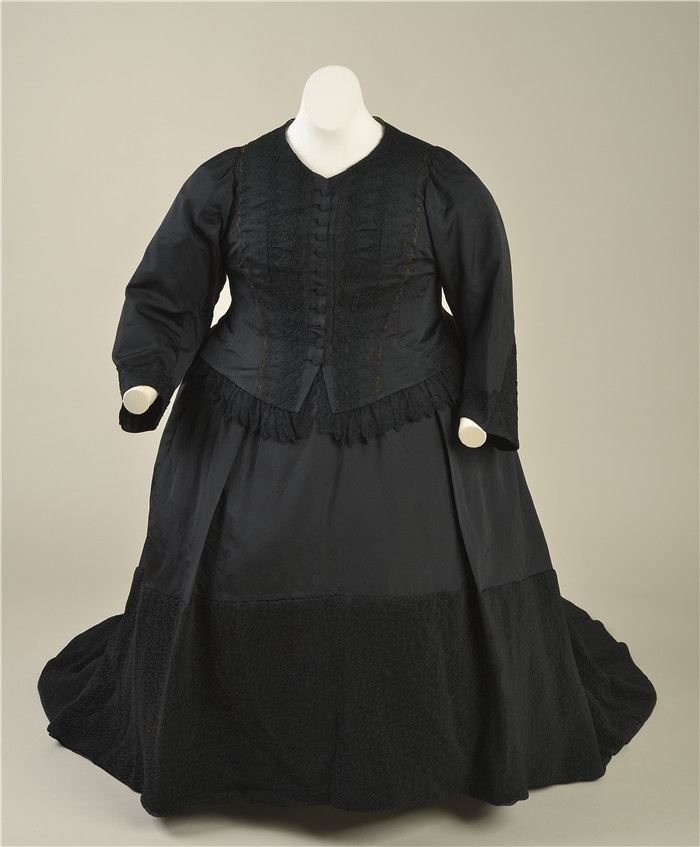
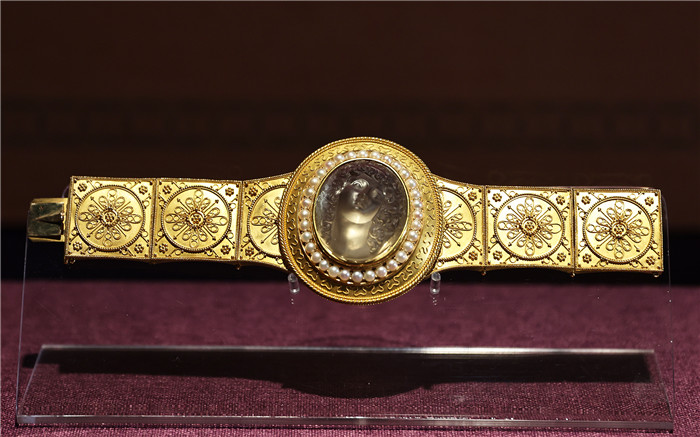
In fashion, Queen Victoria’s personal style long shaped the ideals of Britain’s middle- and upper-class women. Modest yet elegant dresses, mourning jewellery, and archaeological-style ornaments illuminate shifts in taste and social attitudes. Under the influence of an increasingly globalized trade environment, frequent exchanges also produced countless artworks that blended Eastern and Western elements, enriching the splendour of the art in the Victorian era and bearing vivid witness to cultural encounters between China and Britain.
Guangzhou—the “millennium capital of commerce”—and the distant port city of Liverpool were both key hubs for global trade and cultural exchange. This exhibition is built upon nearly 100 important exhibits selected from four museums under National Museums Liverpool—the Walker Art Gallery, Sudley House, the Lady Lever Art Gallery, and the World Museum—supplemented by fine export artworks from the Guangdong Museum, the Guangzhou Thirteen Hongs Museum, and selected works from the China National Silk Museum. It displays oil paintings, watercolors, sculptures, costumes, jewelry, and porcelain, among other categories. Through four thematic sections—City and Countryside, Craftsmanship and Creativity, A Flourish of Art, and East Meets West—the exhibition presents the richness, diversity, and cross-cultural charm of the art in the Victorian era.
Museums play a vital role in safeguarding and inheriting human civilization. In recent years, the Guangdong Museum has actively strengthened its role in promoting dialogue among world civilizations. Through a combination of “bringing in” and “going global,” the Museum has collaborated with cultural institutions in the United States, Germany, Italy, Russia, the Czech Republic, the Netherlands, South Korea, Greece, Peru, and others. These exchanges have deepened international cultural cooperation and provided a platform for global dialogue, earning high acclaim. Following major world art-themed exhibitions such as The Golden Age of Neapolitan Art: Masterpieces from the Museum of Capodimonte in Naples and From Rembrandt to Monet: 500 Years of European Painting, this exhibition again responds to the public’s desire to encounter world-class art “close to home.” It also represents a significant moment of cultural partnership between institutions in China and the United Kingdom. Looking ahead, the Guangdong Museum will continue to serve as a bridge in international cultural exchange. Adhering to the values of equality, mutual learning, dialogue, and inclusiveness, the Museum will strengthen engagement and foster deeper understanding and trust among nations. Through sustained cultural dialogue, we aim to build friendships among peoples, promote social progress, safeguard peace, and contribute to a community with a shared future for humankind—empowering civilizations to shine ever more brightly through encounters and mutual learning.
Exhibition Views
Highlights
|
|
|
|
|
|
Exhibition Views
|
|
|
|
|
|