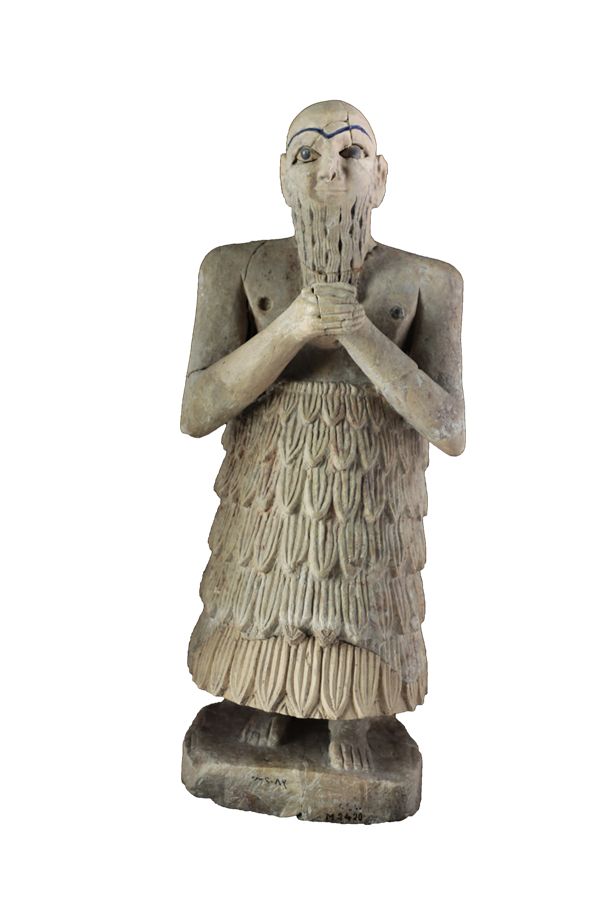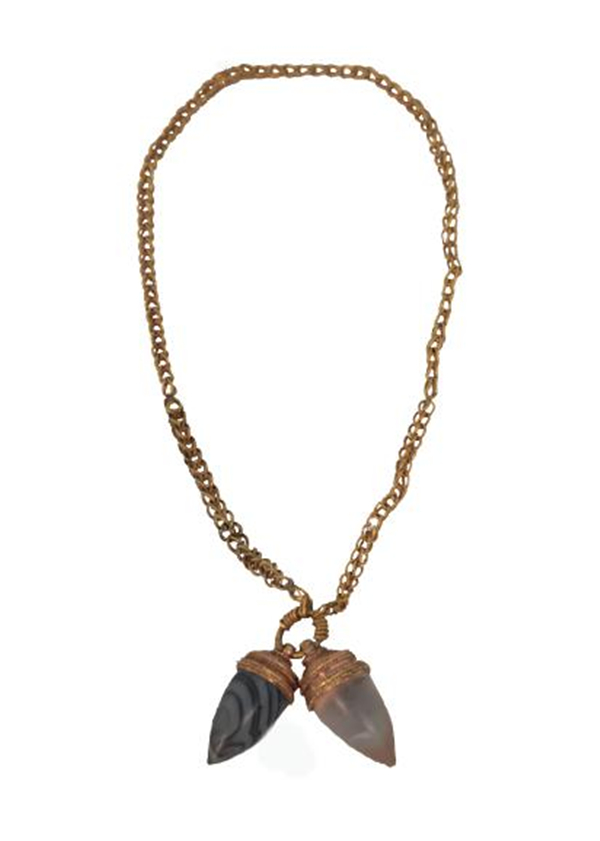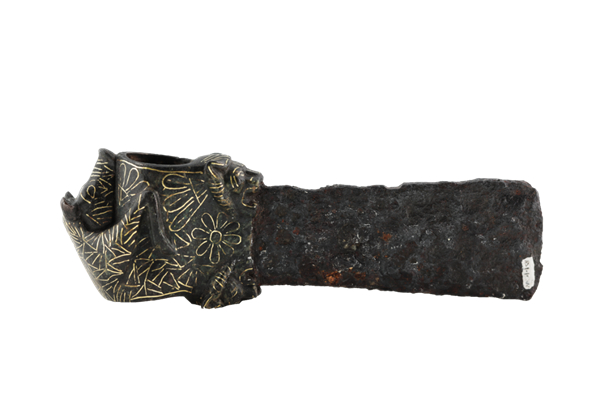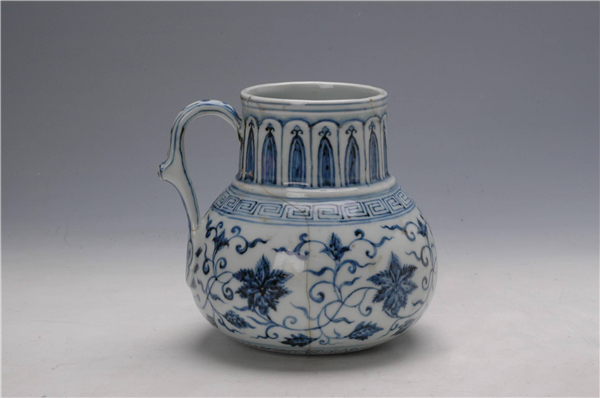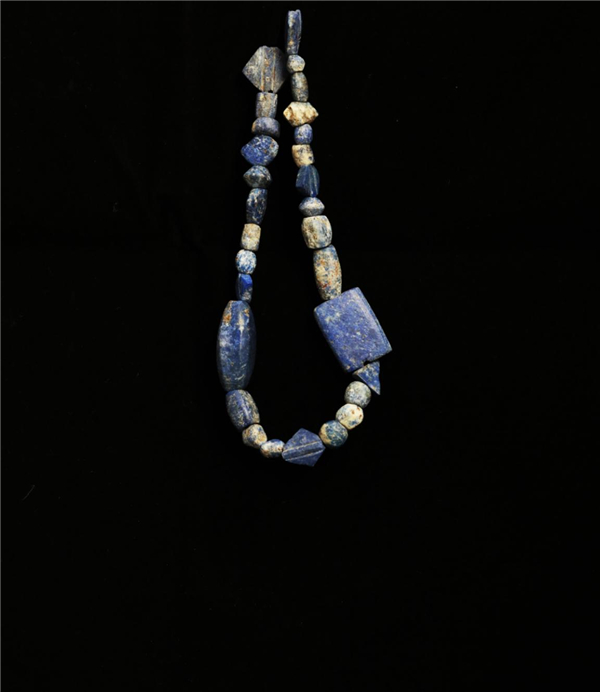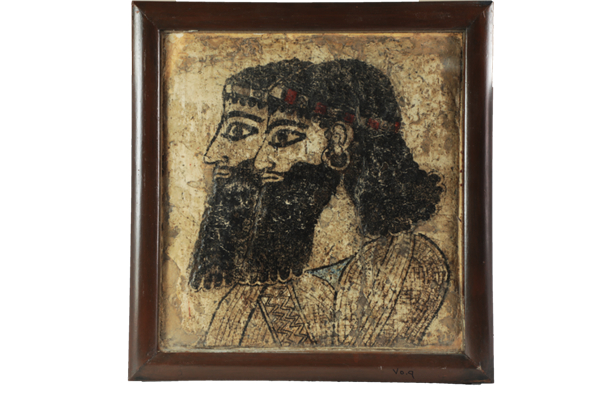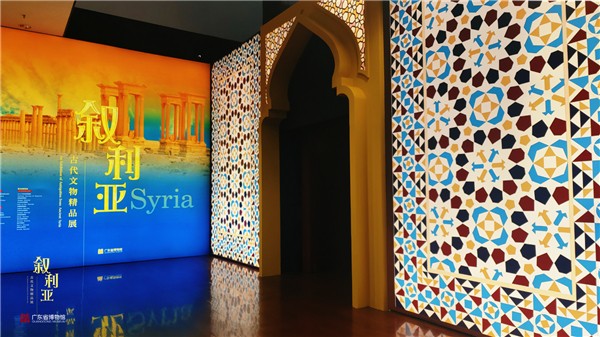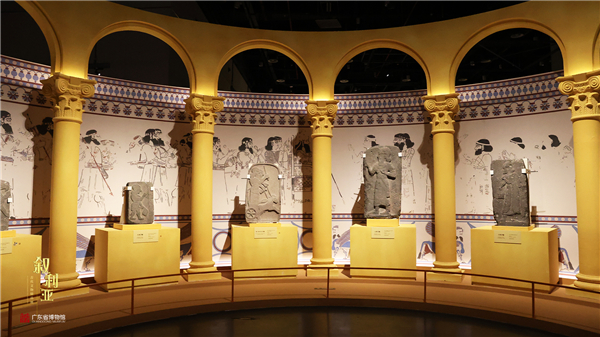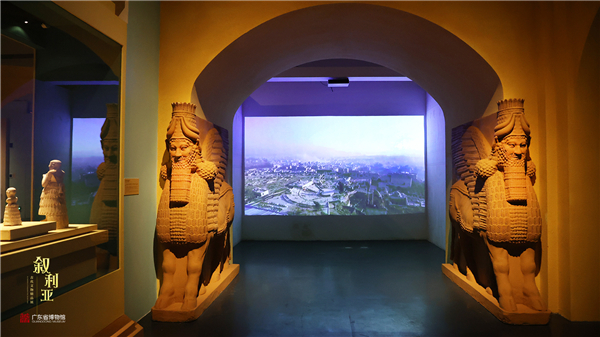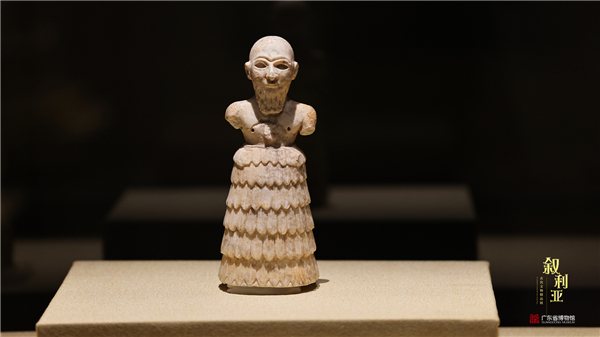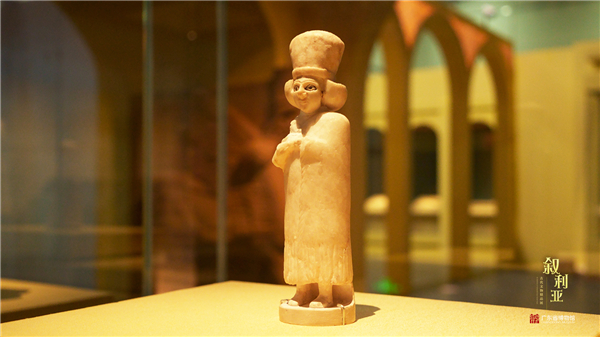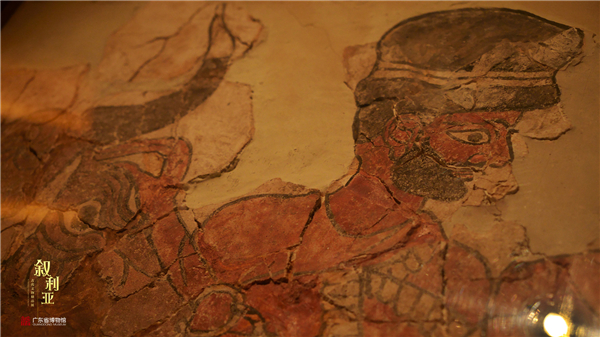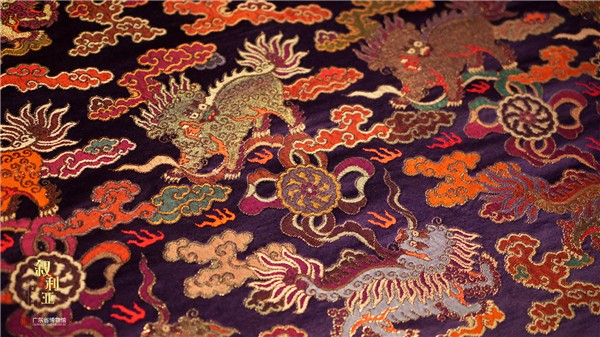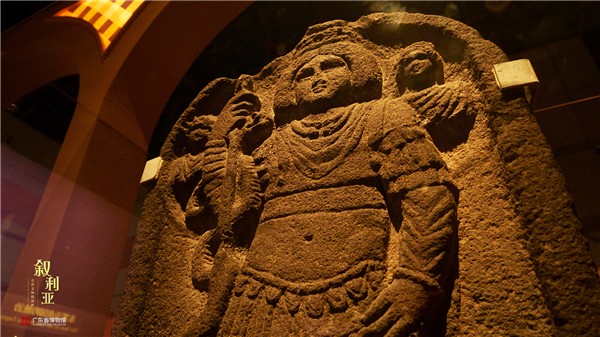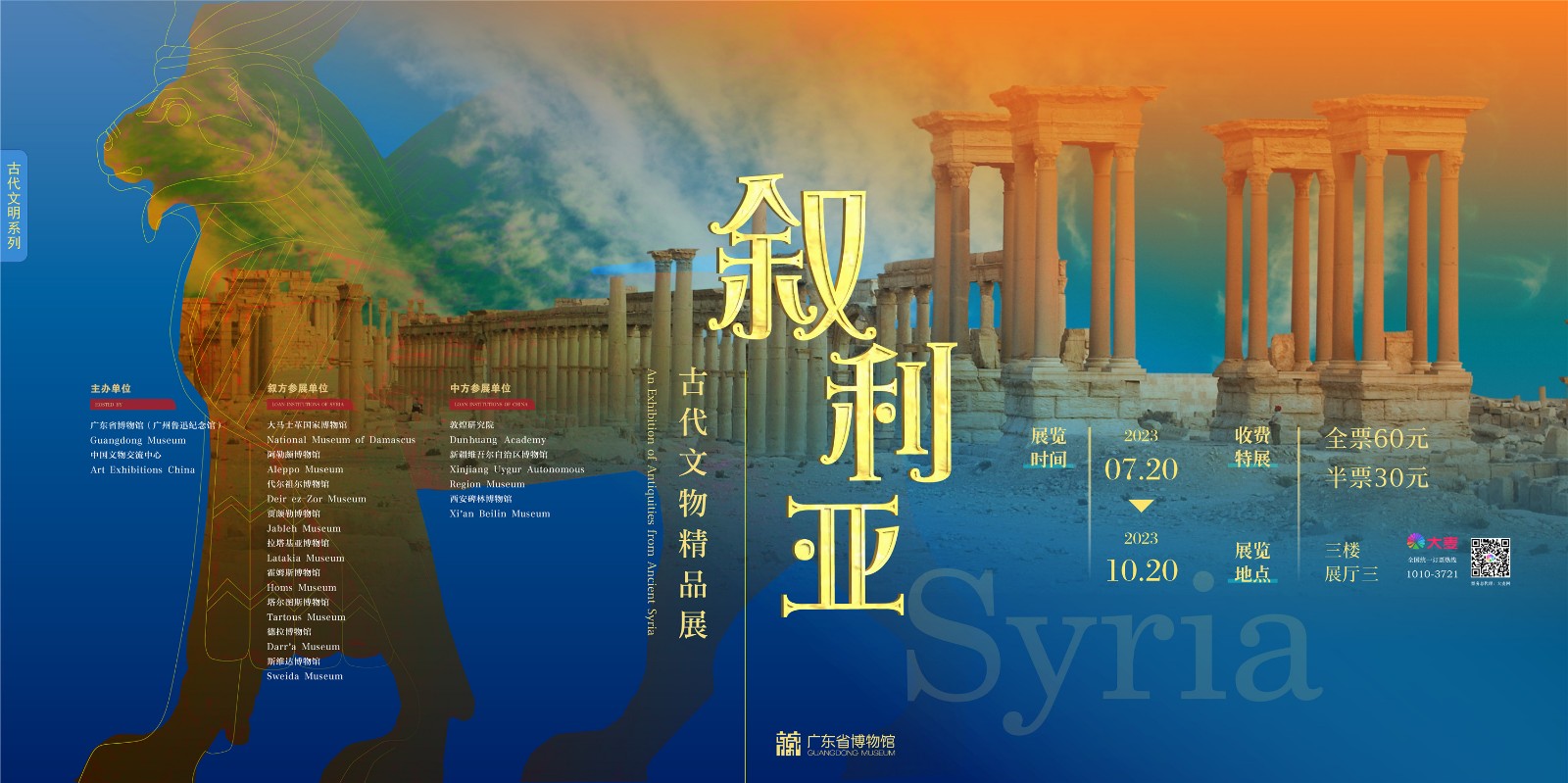
Co-organized by the Guangdong Museum and the China Cultural Relics Exchange Center, An Exhibition of Antiquities from Ancient Syria is on view from July 20 to October 20, 2023, in the No. 3 Exhibition Hall on the 3rd floor of Guangzhou Museum. The exhibition brings together 210 pieces/sets of exhibits from nine Syrian museums—including the National Museum of Damascus and the National Museum of Aleppo—and from the Dunhuang Academy, Xinjiang Uygur Autonomous Region Museum, Xi’an Beilin Museum, and the Guangdong Museum. Through these masterpieces, visitors may encounter the sweeping cultural landscape of ancient Syria from the Paleolithic era to the 18th century, and the long history of cultural exchange and friendship between China and Syria, and between China and the broader West Asian region.
Modern Syria, officially the Syrian Arab Republic, lies on the eastern Mediterranean coast in Western Asia, with Damascus as its capital. Rich in ancient sites and cultural heritage, Syria is one of the cradles of world civilization, with evidence of human activity dating back tens of thousands of years. Over millennia, diverse cultures met, collided, and merged here, making the region a vital crossroads connecting the civilizations of Asia, Europe, and Africa.
Organized chronologically, the exhibition comprises five parts: The first part, Dawn, traces the shift from hunter-gatherer societies to the domestication of plants and animals in the Stone Age. According to prehistoric archaeological research, traces of primitive human activity existed in Syria from the early Paleolithic period, leaving behind a wealth of primitive cultural sites and relics. The second part, Transformation, tells of the changes in social productivity and life after the ancient Syrian region entered the Bronze Age, when people began to widely use metal to make ornaments, tools, and utensils. The third part, Contention, depicts the conflicts of the Iron Age in ancient Syria. Because it occupied important ancient East-West trade routes, Syria became a strategic battleground, and Eastern and Western civilizations were successively incorporated into Syria's sequence of civilizational exchange. The fourth part, Integration, describes the development and changes of ancient Syria during three different periods: Greek, Roman, and Islamic. After being conquered by Greece and Rome, Syria experienced a great cultural fusion. As new civilizations spread to West Asia, the Syrian region also entered a new era, demonstrating the mutual influence between Syria and world civilizations in cultural exchange. The fifth part, Dialogue, shows the long-standing friendly exchanges between China and Syria over more than two thousand years. The Silk Road promoted communication and exchange between China and Syria, and between China and other West Asian countries. Through different types of cultural relics such as textiles, porcelain, and stele rubbings, it reflects the continuous trade and cultural mutual learning between China and Syria, and between China and other West Asian countries.
For many visitors, Syria may feel distant and unfamiliar. This exhibition offers a rare opportunity to appreciate the vitality and depth of one of the world’s oldest cultural heartlands.
Highlights
|
|
|
|
|
|
Exhibition Views
|
|
|
|
|
|
|
|