Overview
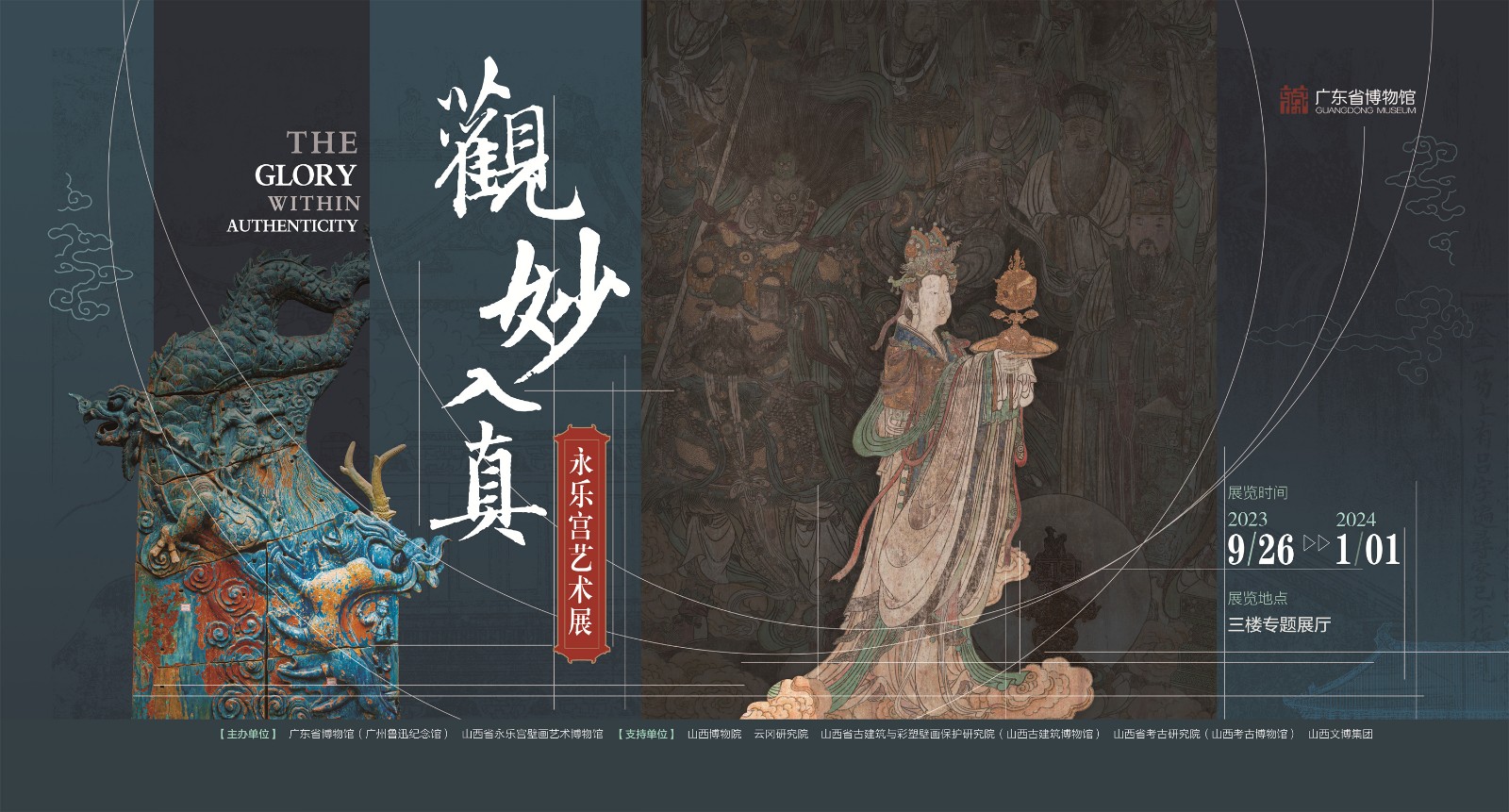
Co-organized by the Guangdong Museum and the Yongle Palace Mural Art Museum of Shanxi Province, The Glory Within Authenticity: The Art of Yongle Palace opened on September 26, 2023, in the special exhibition hall on the 3rd floor. Featuring 151 groups of 222 pieces/sets of exhibits—including architectural components, steles with sculptures, painted sculptures, manuscripts, rubbings, and archival records—the exhibition makes extensive use of 3D-printing technology to recreate the grandeur of the Chaoyuan Tu mural from the Hall of the Three Purities, Yongle Palace, offering an immersive encounter with this monumental heritage.
The exhibition runs from September 26, 2023, to January 7, 2024, presenting visitors with a three-month artistic feast.
About Yongle Palace
Yongle Palace is located in Ruicheng County, Yuncheng City, Shanxi Province, at the junction of Shanxi, Shaanxi, and Henan provinces, backed by the Zhongtiao Mountains and overlooking the eastward-flowing Yellow River. Founded in 1247 under the vigorous patronage of the Quanzhen School of Daoism, Yongle Palace has stood for more than seven centuries and remains the earliest, largest, and best-preserved complex of official Yuan-dynasty architecture. It was listed among the first group of Major Historical and Cultural Sites Protected at the National Level in 1961.
Exhibition Structure
The exhibition comprises four parts—Magnificent Creations, Resplendent Grandeur, Rediscovered Treasures, and Procession of the Divine—unfolding the story of Yongle Palace from its architecture and murals to its Daoist culture and unprecedented relocation project.
A Yuan-dynasty architectural masterwork of the Quanzhen School. Beginning from the regional Daoist traditions of Ruicheng, the exhibition traces Yongle Palace’s origins as an eastern ancestral court of the Quanzhen School. As the only fully preserved Yuan official architectural complex, its layout and stylistic innovations—bold developments built upon Song and Jin precedents—reflect the architectural ideals of the era and the spatial logic of a Quanzhen Daoist monastery.
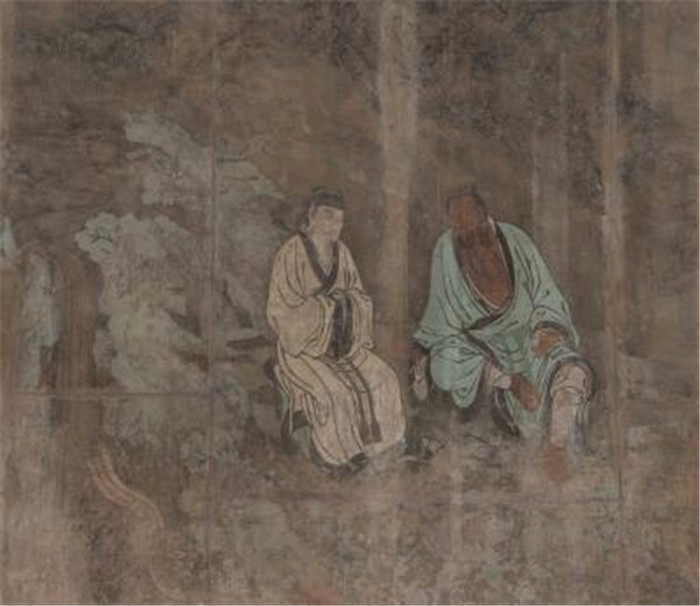
Daoist cultural imagery. Integrating painting and sculpture in the long Chinese tradition, Yongle Palace uses its vast mural program—enriched by polychrome sculpture and dense iconography—to create a richly symbolic visual world. The murals evoke grand ritual spaces, vivid secular narratives, and a timeless artistic realm shaped by shared visual language.
The mural masterpieces. Renowned for their artistic excellence, the Yongle Palace murals represent the largest, most diverse, and most technically accomplished body of temple murals surviving in China. Digital projections and 3D-printing allow visitors to examine the astonishing details of these immovable treasures, bringing them to life and bridging the immovable with the movable.
An unprecedented relocation endeavor. Through extensive archival materials—many displayed to the public for the first time—the exhibition revisits the extraordinary story of Yongle Palace’s relocation in the 1950s and 1960s. This monumental operation, requiring cross-regional and cross-sector cooperation, pioneered new techniques and principles for cultural heritage preservation in the early years of the PRC.
Highlights of the Exhibition
A rich diversity of exhibits.
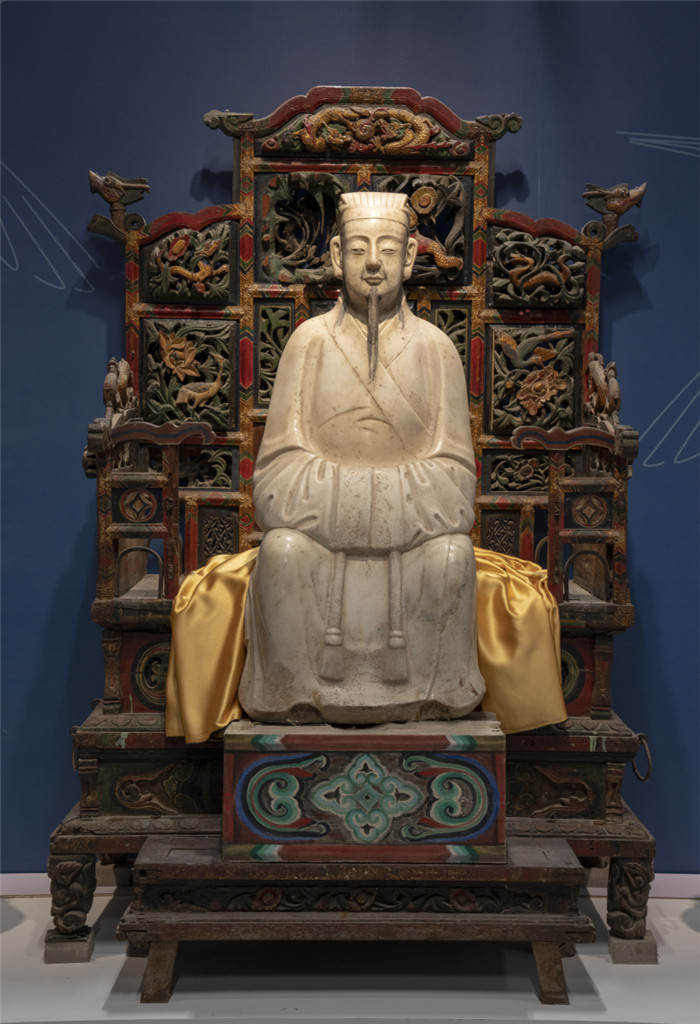
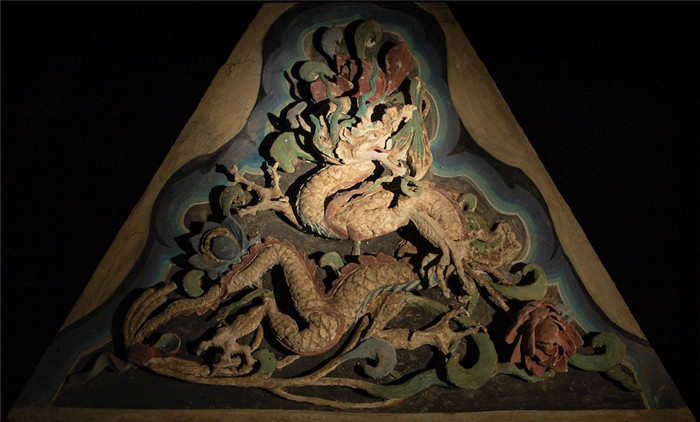
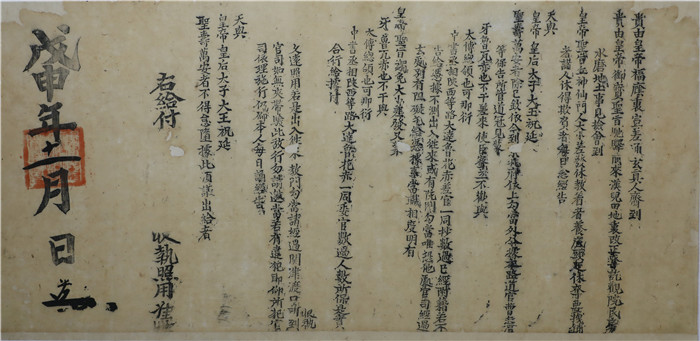
The 222 exhibits span architectural components, steles with sculptures, painted sculptures, manuscripts, rubbings, and archival records, complemented by selected related works from the museum’s own collection. Together, they illuminate the multifaceted cultural layers of Yongle Palace.
Close-up encounters with Yuan-dynasty architectural components.
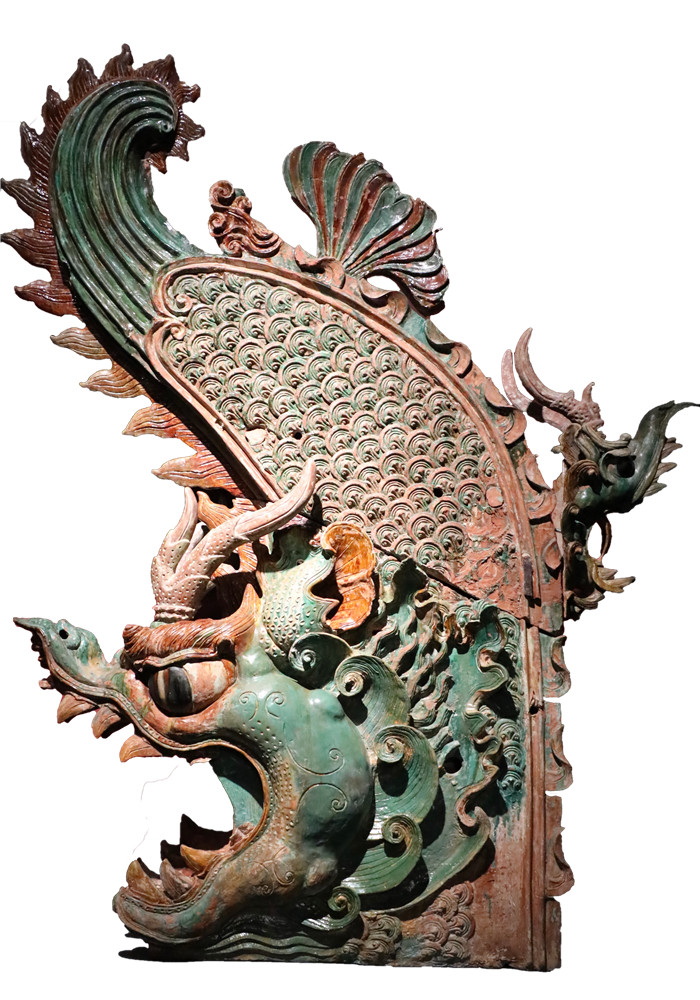
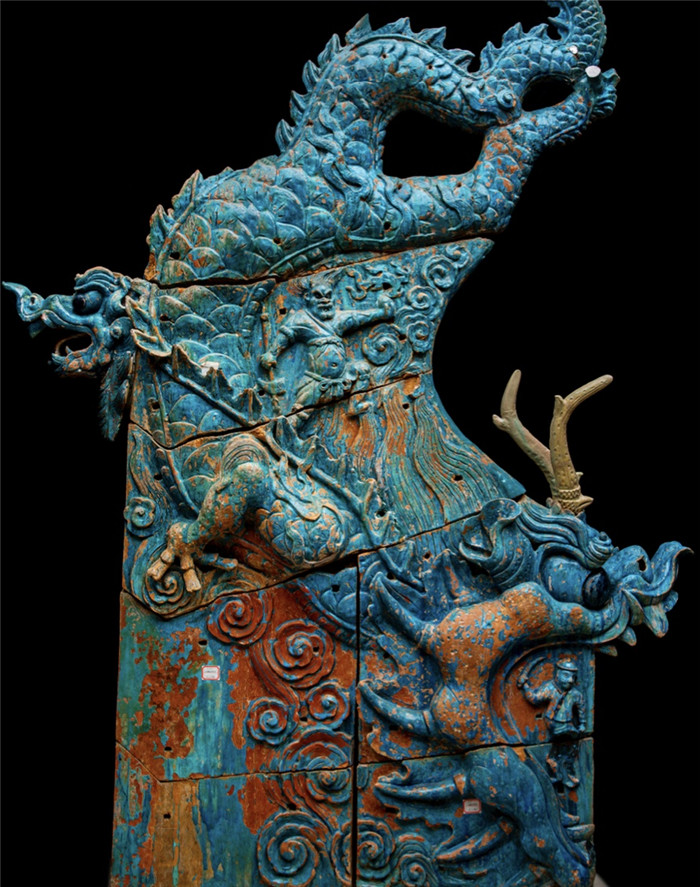
Visitors can view architectural components—such as 2-meter-tall, 200-kg roof ridges and a 13-meter main ridge beam—at close range, appreciating craftsmanship usually hidden high above.
Immersive digital engagement with mural masterpieces.
Digital projections and 3D-printing allow visitors to examine the astonishing details of these immovable treasures, bringing them to life and bridging the immovable with the movable.
Rediscovering the story of relocation.
Archival records reveal the overlooked history behind the relocation project, honoring the dedication and craftsmanship of the experts and workers who made it possible, reminding us that understanding the past is key to sustaining the future of cultural heritage.
Multi-format audio guides.
Highlights
|
|
|
|
|
|