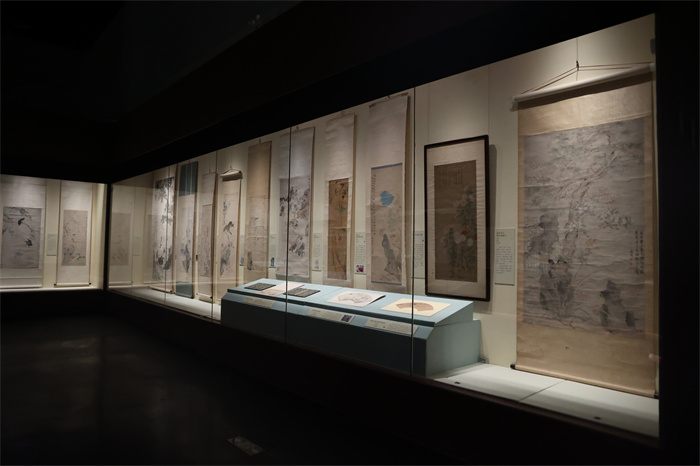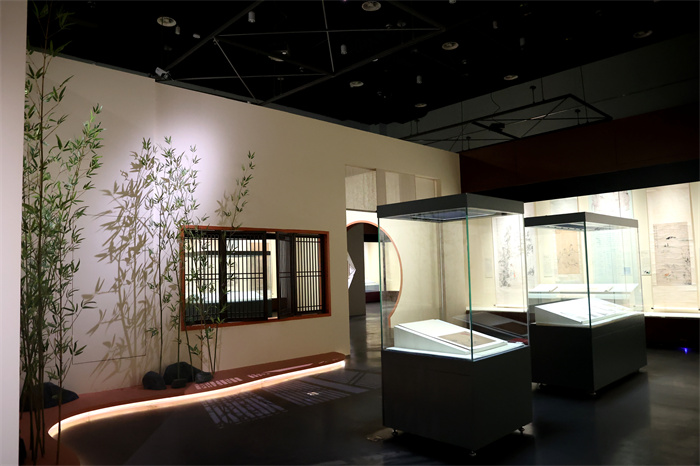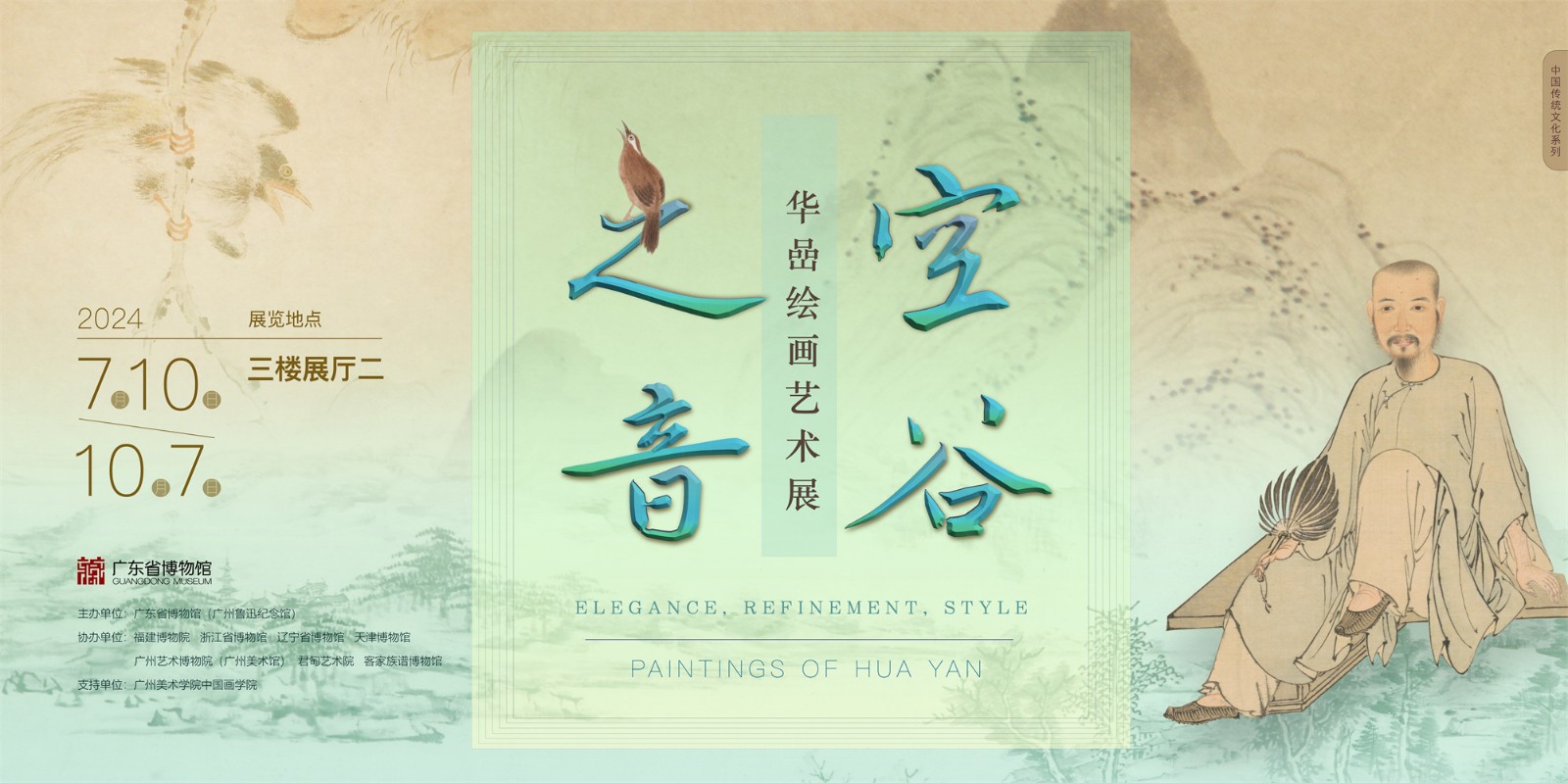
On July 10, 2024, Elegance, Refinement, Style: Paintings of Hua Yan opened in the No. 2 Exhibition Hall on the 3rd floor of the Guangdong Museum, running until October 7. The exhibition is hosted by the Guangdong Museum, and co-organized by the Fujian Museum, Zhejiang Provincial Museum, Liaoning Provincial Museum, Tianjin Museum, Guangzhou Museum of Art, Juntao Art Gallery, and the Hakka Genealogy Museum. It displays nearly 70 masterpieces from the collections of 8 institutions, with precious cultural relics accounting for over 90%. Many exhibits are shown to the public for the first time. This is the first solo art exhibition in the Guangdong region to systematically chronicle and focus on the painting of Hua Yan, and the first exhibition of original works in China centered on Hua Yan's painting.
Structured through four sections—“Understanding Hua Yan through His Time,” “A Lofty Spirit in an Unadorned Life,” “Innocent Wit and Artistic Insight,” and “Lingering Resonance across Lingnan”—the exhibition adopts a narrative approach that unfolds progressively. Through focused case studies on Hua Yan’s life, art, and inner spirit, the exhibition encourages visitors to draw inspiration from his legacy, fostering deeper appreciation and innovative engagement with China’s fine traditional culture.
Hua Yan (1682–1756), courtesy name Desong and later Qiuyue, also known by his art names Baisha Daoren and Xinluo Shanren, was a native of Shanghang, Fujian province. As a brilliant and inventive poet, calligrapher, and painter of the Qing dynasty, he was a leading figure of the Yangzhou School. His poetry, calligraphy, and painting were praised as the "Three Perfections." Despite a life marked by poverty and lack of recognition, his pursuit of art never waned. Starting from tradition but never confined to it, Hua Yan broke free from the orthodox influence of the “Four Wangs,” turning instead toward the cultural needs of everyday urban life. He opened new expressive possibilities for classical painting. His elegant, literati-rooted aesthetic set a lasting benchmark for later generations.
Drawing on diverse sources and mastering flower-and-bird, figure, and landscape painting, Hua Yan is known for works brimming with vitality, meticulous detail, and refined small-scale freehand brushwork. He was an extraordinarily productive painter, leaving behind a vast body of work now dispersed among museums and private collections in China and abroad.
General Secretary Xi Jinping has emphasized the need to “draw on China's fine traditional culture, keep alive and develop its vision, concepts, values, and moral norms; integrate artistic creativity with Chinese cultural values; align the Chinese aesthetic spirit with contemporary tastes; and invigorate the vitality of Chinese culture.” Responding to this call, the Guangdong Museum presents this exhibition as a case study of Hua Yan’s life, art, and ideals—aimed at inspiring cultural identity, encouraging creative transformation, and advancing innovative development of Chinese traditional culture.
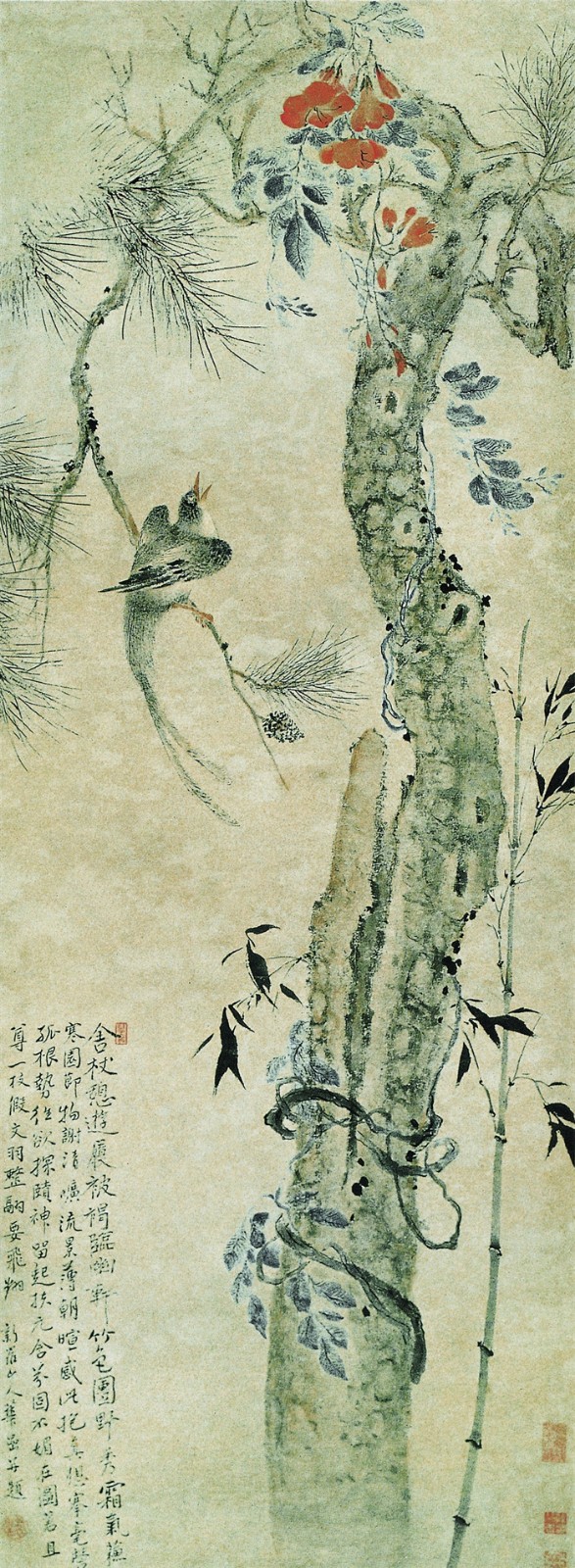
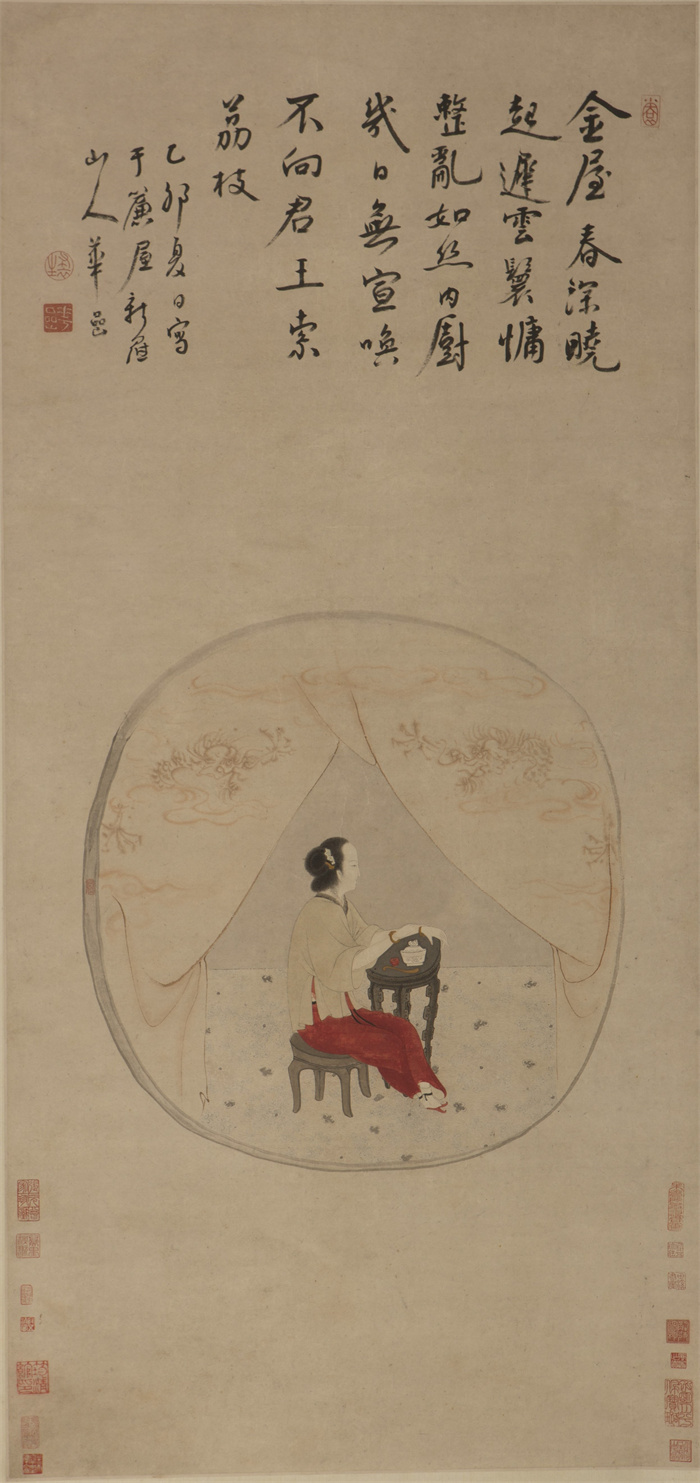
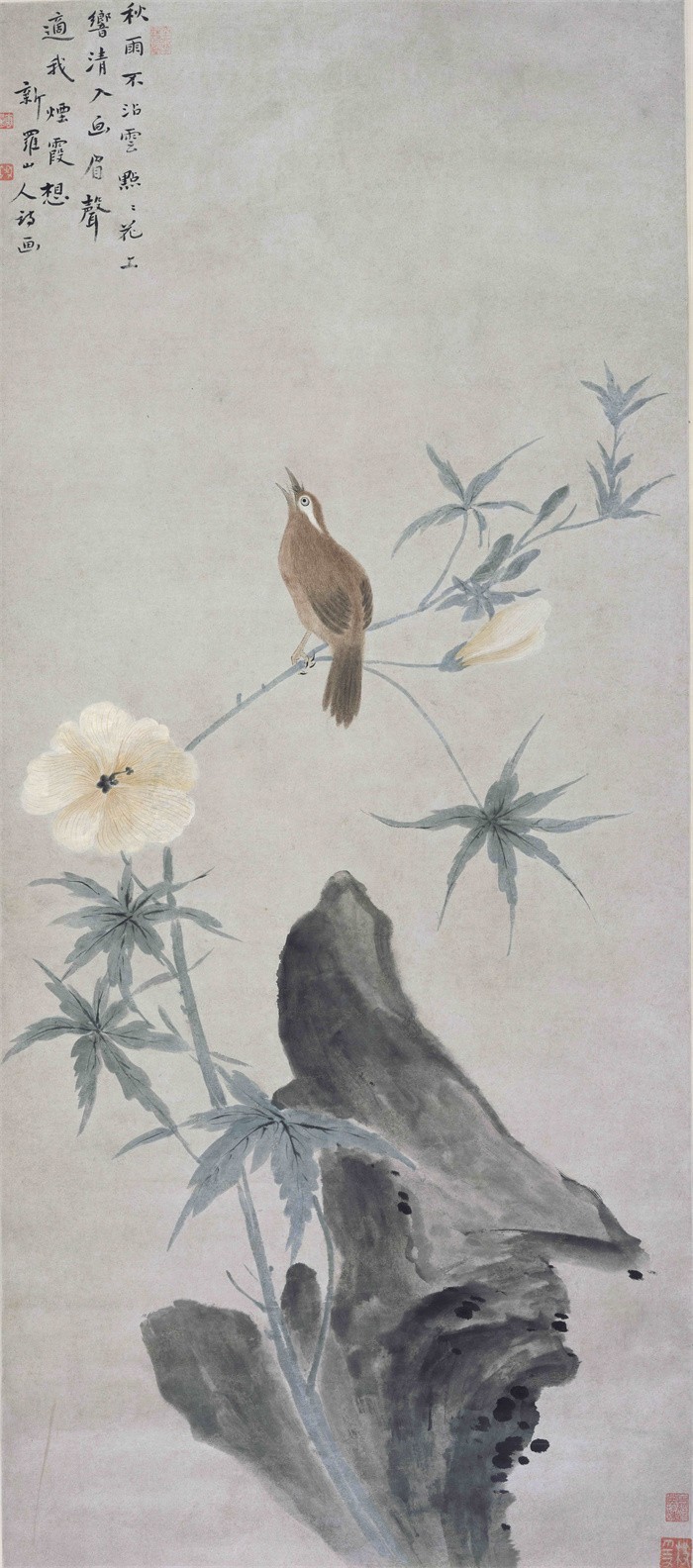
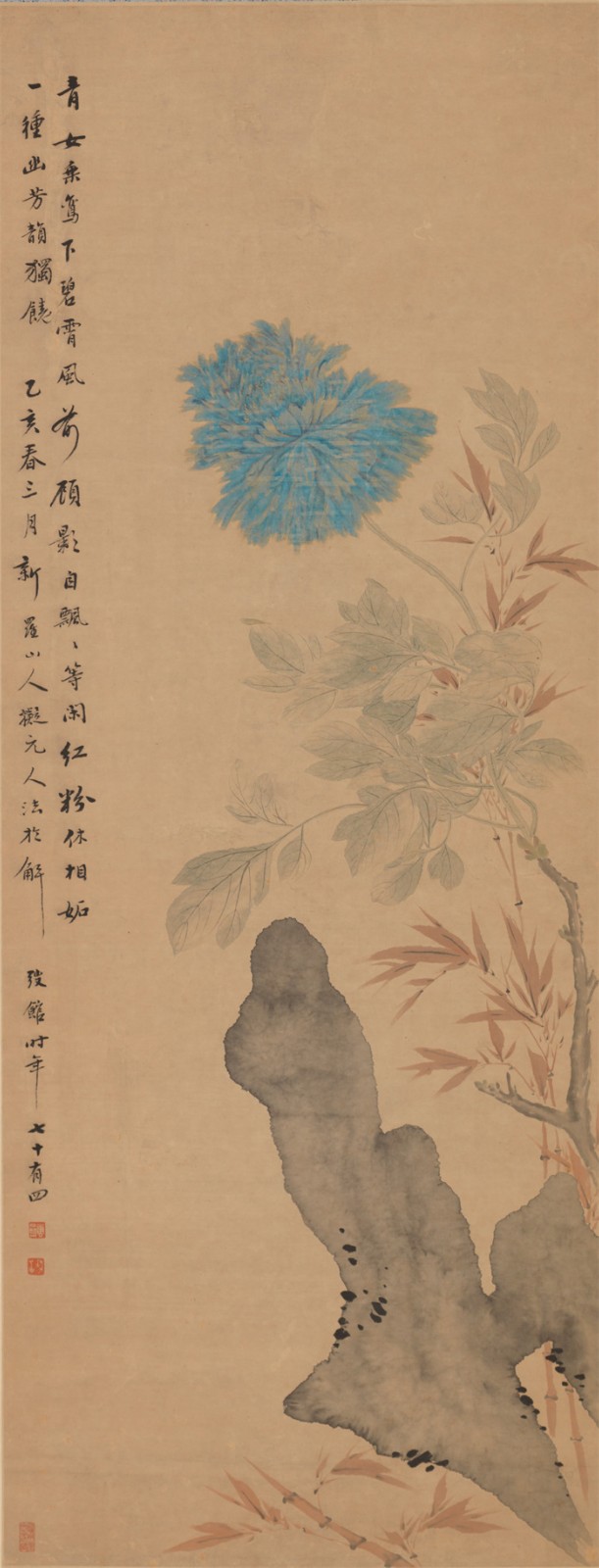
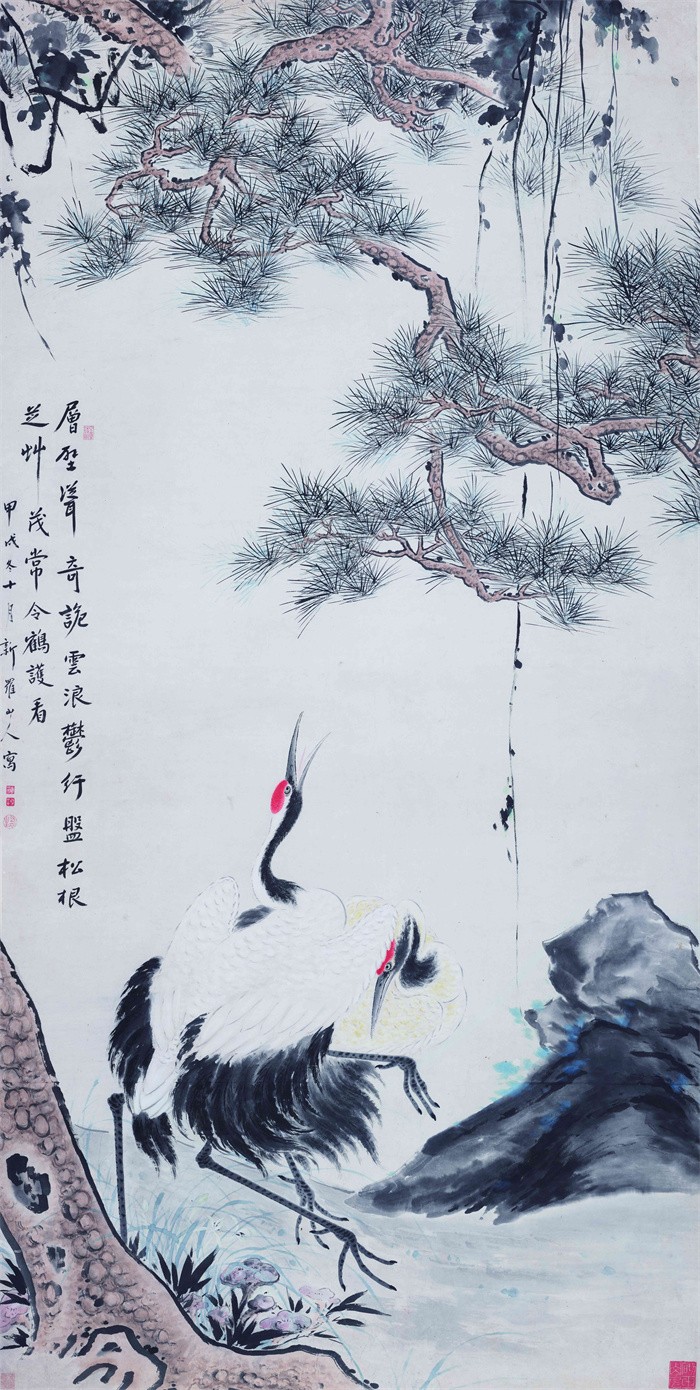
The exhibition showcases an impressive range of representative works. Liaoning Provincial Museum’s Eating Lychees handscroll—one of Hua Yan’s finest early works—reveals the influence of the Southern Song Academy style, the Zhe School of Ming dynasty, and Chen Hongshou's painting technique. Literary and historical compositions such as Elegant Gathering (Fujian Museum), Banquet in the Peach and Plum Garden on a Spring Night handscroll (Tianjin Museum), and Returning to the Village handscroll (Zhejiang Provincial Museum) demonstrate strong narrative structure, rigorous composition, and refined brushwork, with imposing formats befitting grand masterpieces. Smaller yet exquisitely crafted albums such as Landscapes and Birds, Insects, and Beasts employ light, whimsical techniques to portray everyday themes, while recalling the lyrical spirit of Southern Song painting. Works including Pine and Cranes, Phoenix Tree and Longevity Bird, Parakeets and Lychees, and Sunflower and Thrush exemplify Hua Yan’s unique ability to interweave the charm of the natural world with human sentiment. Paintings by contemporaries of the Yangzhou School—such as Jin Nong, Zheng Banqiao, and Huang Shen—offer insight into the artistic environment that shaped Hua Yan's style. Portrait of the Xinluo Shanren by Hua Yan’s student Zhang Sijiao provides a rare glimpse into Hua Yan’s impoverished final years and the deep affection between teacher and pupil during their twenty-year bond. Three versions of Spring in the Gilded Chamber, displayed together for the first time, offer a cross-temporal dialogue between Hua Yan and collectors and painters in the Lingnan region, serving as a notable case of cultural inheritance.
In addition to Hua Yan’s own masterpieces, the exhibition also features works by predecessors he learned from—such as Shitao, Yun Shouping, Tang Yin, and Chen Hongshou—as well as contemporaries and representatives of Yangzhou School including Jin Nong, Zheng Banqiao, Li Shan, his student Zhang Sijiao, and later influenced artists like Gao Jianfu. Together, they enable a deeper exploration of Hua Yan’s artistic lineage, intellectual world, and historical significance.
Exhibition Views
|
|
|
|
 Current Featured Exhibits (Note: The selection will be updated periodically. Please stay tuned.)
Highlights
|
|
|
|
|
|