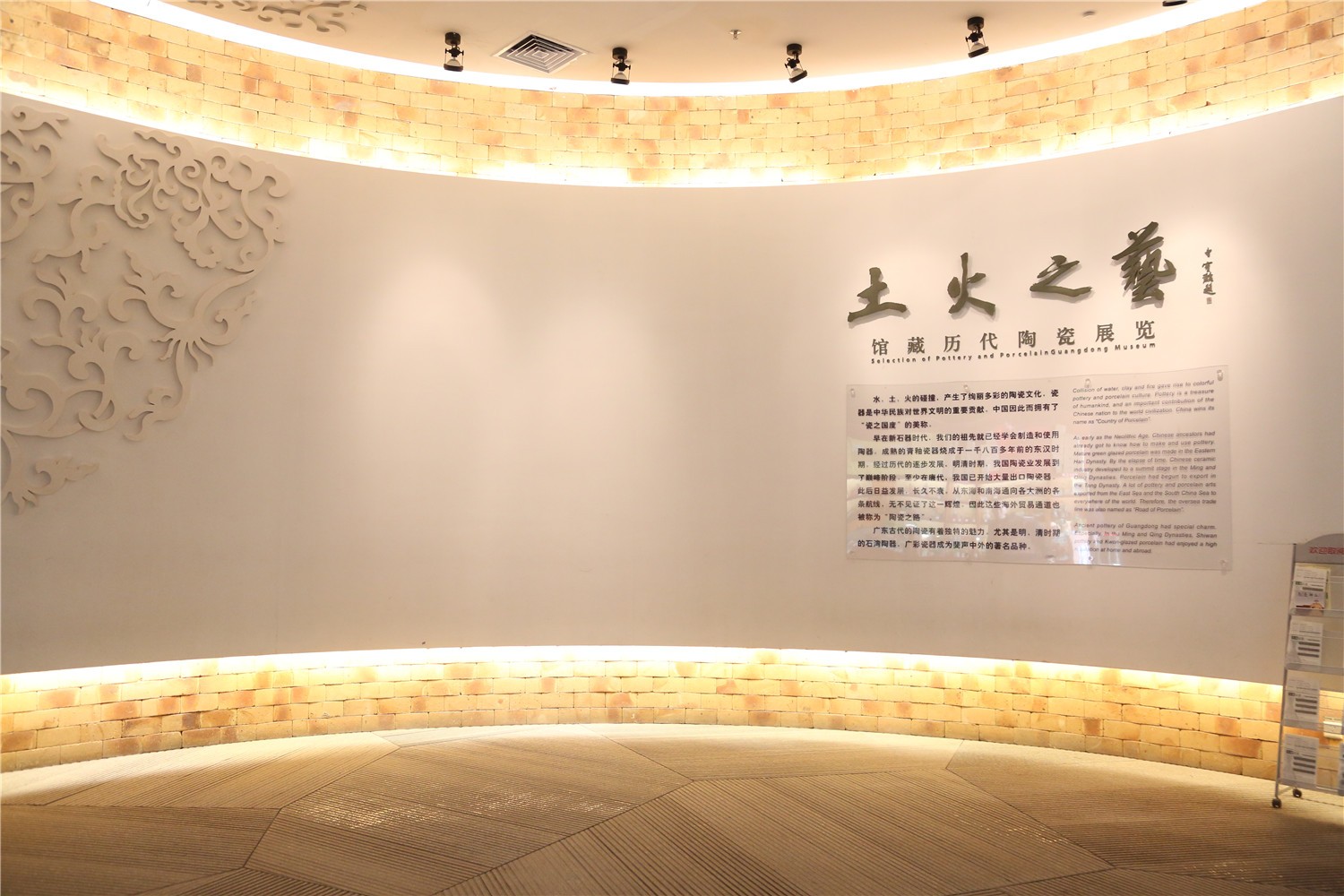
The encounter of water, earth, and fire gave birth to the splendid and colorful culture of pottery and porcelain. Pottery is a cultural treasure shared by all humankind, while porcelain represents one of China’s greatest contributions to world civilization—earning China the reputation of being “the country of porcelain.”
With over half a century of development, the Guangdong Museum holds one of the largest and finest provincial-level collections of ancient pottery and porcelain in China. Its holdings cover products from major kilns nationwide, showcasing a rich variety of decorative techniques and vessel forms across dynasties, with an unbroken developmental sequence. Among the highlights are porcelains from Jingdezhen during the Ming and Qing dynasties, as well as distinctive Guangdong specialties such as Shiwan pottery and Canton enamelware—renowned for their exquisite beauty and craftsmanship.
This exhibition traces the historical development of Chinese pottery and porcelain, using the museum’s collection as a foundation to present the evolution from the Neolithic Age to the Qing dynasty. Nearly 300 selected artifacts illustrate advances in technology, the evolution of forms, and the dynamics of overseas trade, offering a comprehensive view of ancient Chinese pottery and porcelain culture. Through this exhibition, visitors gain insight into the important place of pottery and porcelain in traditional Chinese culture, fostering a deeper understanding of China’s heritage and a sense of national pride.
The 800-square-meter exhibition hall is divided into four parts:
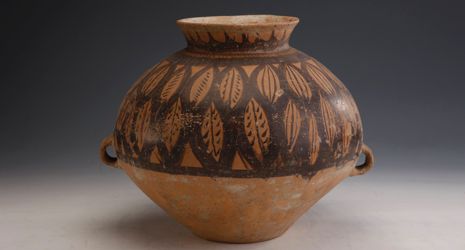
The first part, “The Origins of Pottery and Porcelain”, displays ceramics from the Neolithic to the Northern and Southern dynasties, outlining the emergence and early development of pottery and porcelain.
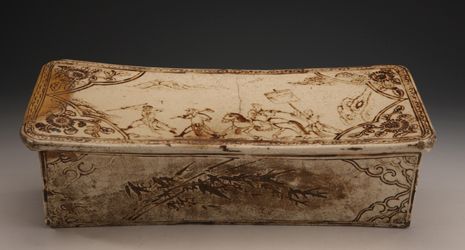
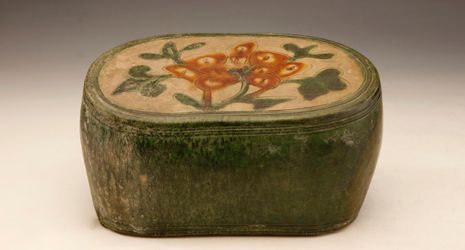
The second part, “The Rise of the Porcelain Nation: The Period of Growth”, showcases the rapid expansion of Chinese ceramics from the Sui and Tang to the Song, Liao, and Jin dynasties, with dazzling pieces from famous kilns such as Changsha, Gongxian, Jun, Ding, Guan, Dengfeng, and Jingdezhen, along with Liao and Jin porcelains.
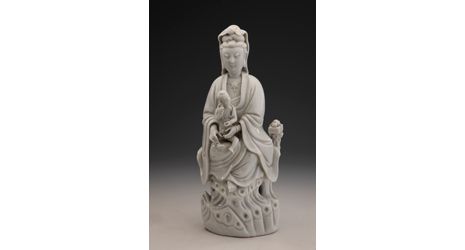
The third part, “Brilliance in Bloom: The Period of Prosperity”, highlights the flourishing of ceramics in the Yuan, Ming, and Qing dynasties. In addition to works from major kilns such as Longquan, Dehua, Cizhou, and Yixing (Zisha), this section emphasizes the glory of Jingdezhen porcelain—blue-and-white, colored glazes, underglaze red, and famille rose porcelains—reflecting the brilliance of both official and folk kilns.
The fourth part “Pearl of the South: The Development of Guangdong Ceramics”, covers the full span from the Neolithic to the Qing dynasty, focusing on the local evolution of ceramics in Guangdong and their role in overseas trade.
The exhibition presents not only exquisite locally unearthed ceramics—including pre-Qin pottery unearthed from the Western Zhou cemetery in Henglingshan, Boluo county, hailed as one of the Top Ten Archaeological Discoveries in China in 2000—but also representative works from major local kilns such as Shuiche Kiln in Meixian, Xicun Kiln in Guangzhou, and Chaozhou Kiln. It also features internationally renowned Shiwan pottery and Canton enamel porcelain, aiming to provide a comprehensive picture of the historical development and cultural significance of Guangdong ceramics while highlighting the distinctive features of the region’s artistic heritage.
(Written by Huang Jing)
Highlights of the Exhibition