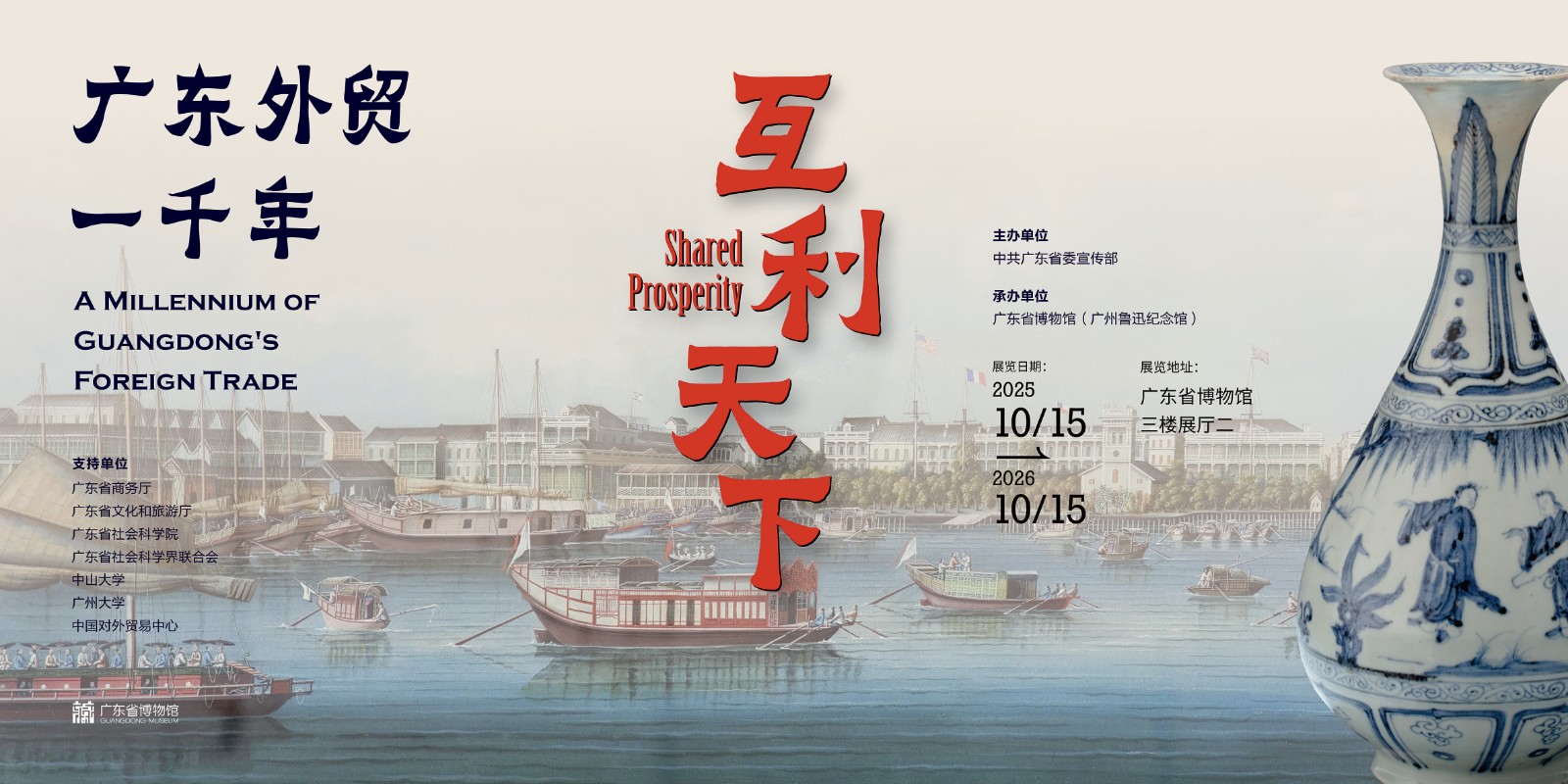
Shared Prosperity: A Millennium of Guangdong’s Foreign Trade officially opens at the Guangdong Museum on October 15, 2025, and will run until October 15, 2026. Hosted by the Publicity Department of the CPC Guangdong Provincial Committee and organized by the Guangdong Museum (Guangzhou Lu Xun Museum), the exhibition features over 200 pieces/sets of cultural relics selected from the Guangdong Museum and other renowned museums and institutions across China. Centered on the millennium-long evolution of Guangdong’s foreign trade, it unfolds through a dual narrative of archaeological evidence and institutional development, offering a comprehensive picture of Guangdong’s unique role and profound influence in the history of China’s foreign trade—an enduring dialogue of maritime civilization across a thousand years.
Standing at the forefront of China’s foreign trade, Guangdong, nestled by the South China Sea and south of the Five Ridges, has long been a “pioneer vessel” of openness. Benefiting from its natural advantages of mountains and rivers, it has explored opportunities for openness throughout history—from the emergence of the Maritime Trade (Shibo) system in the Tang and Song dynasties, to the peak of the “Canton System” in the Qing dynasty, and from the launch of the Canton Fair in the early years of New China to the establishment of Free Trade Zones and the Guangdong-Hong Kong-Macao Greater Bay Area in the new era, reflecting the evolving relationship between national development and global transformation. The exhibition, under the theme “Shared Prosperity”, comprises four parts: “Prosperity through Maritime Trade,” “Merchant Ships in Their Myriad,” “Where East Meets West,” and “New Chapters.” Together, they trace Guangdong’s journey from the early formation of trade institutions to its rise as a global hub.
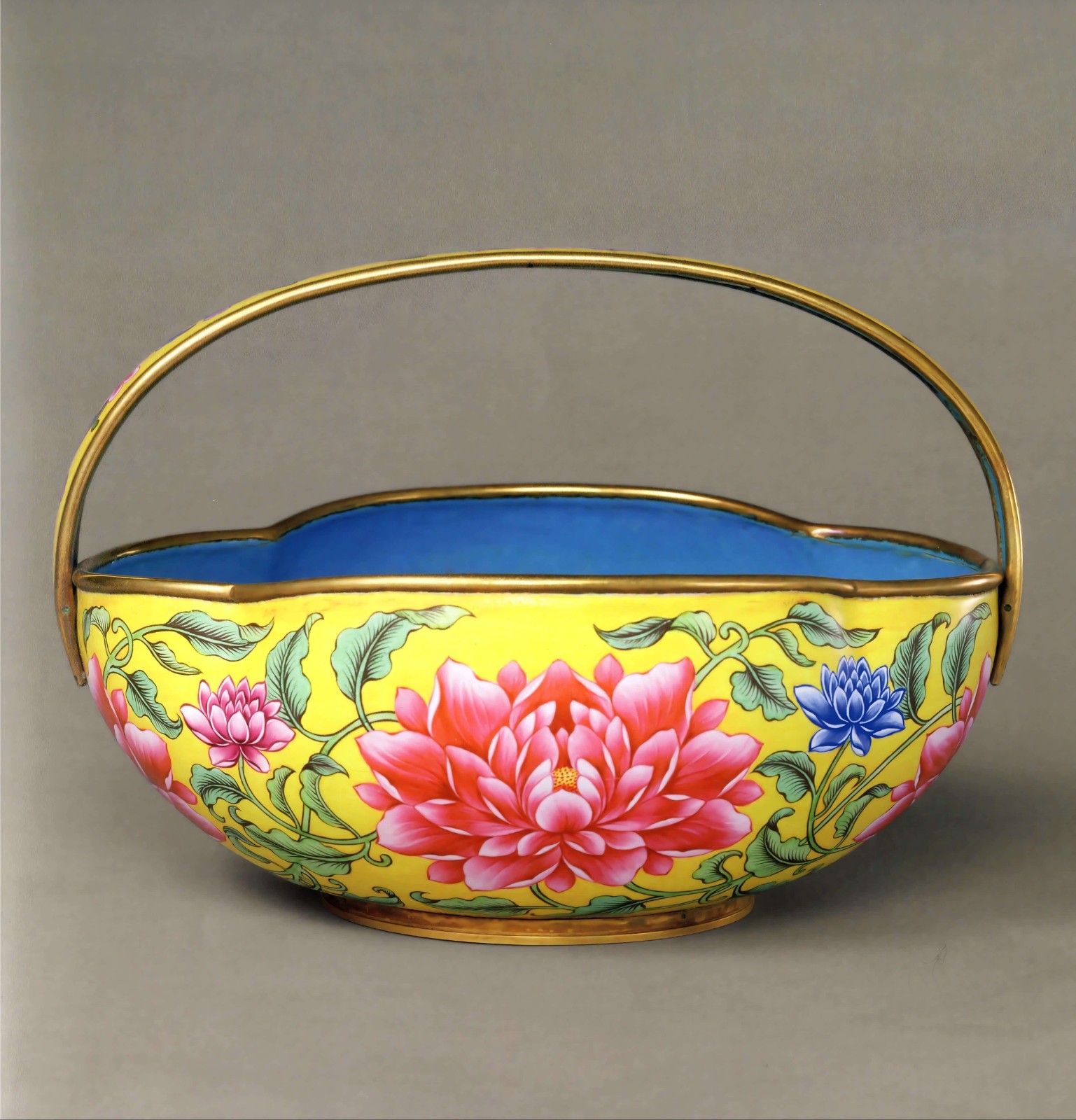
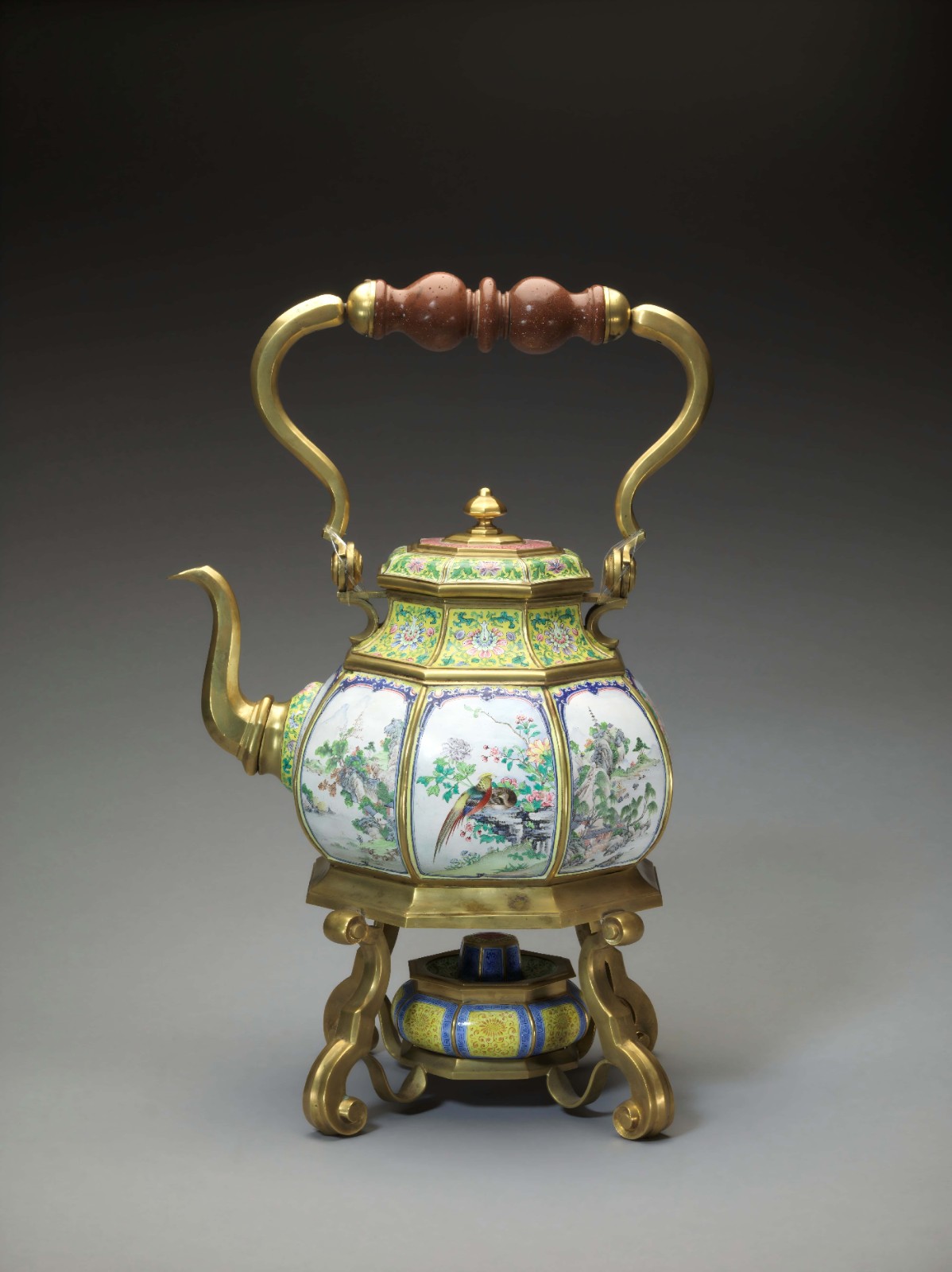
“Prosperity through Maritime Trade” focuses on Guangdong’s pioneering contributions to foreign trade management during the Tang and Song dynasties, such as assigning the Maritime Trade Commissioner (Shiboshi) in the Tang dynasty, promoting the Code of Guangzhou Maritime Trade in the Song dynasty, and promulgating the Maritime Trade Law in the Yuan dynasty, showcasing the institutionalization of trade from local practices to national codification. "Merchant Ships in Their Myriad"highlights the breakthroughs of the Ming dynasty, when Guangdong played a central role in tribute trade and commercial transformation, as seen in the Guangzhong Regulations and the evolving trade dynamics between Guangzhou and Macao—embodying both institutional flexibility and market vitality. “Where East Meets West” recreates Guangdong’s position as a pivotal arena for Sino-Western trade and cultural exchange during the Qing dynasty, featuring the “Canton System,” the Canton Customs structure, and the Thirteen Hongs trade. Exquisite export artworks illuminate the spirit of mutual learning among civilizations. “New Chapters” presents the continuity and leaps in Guangdong’s foreign trade since the founding of the People’s Republic of China—from the launch of the Canton Fair to the establishment of pilot Free Trade Zones and the development of the Greater Bay Area—demonstrating Guangdong’s leading role in China’s high-level opening-up.
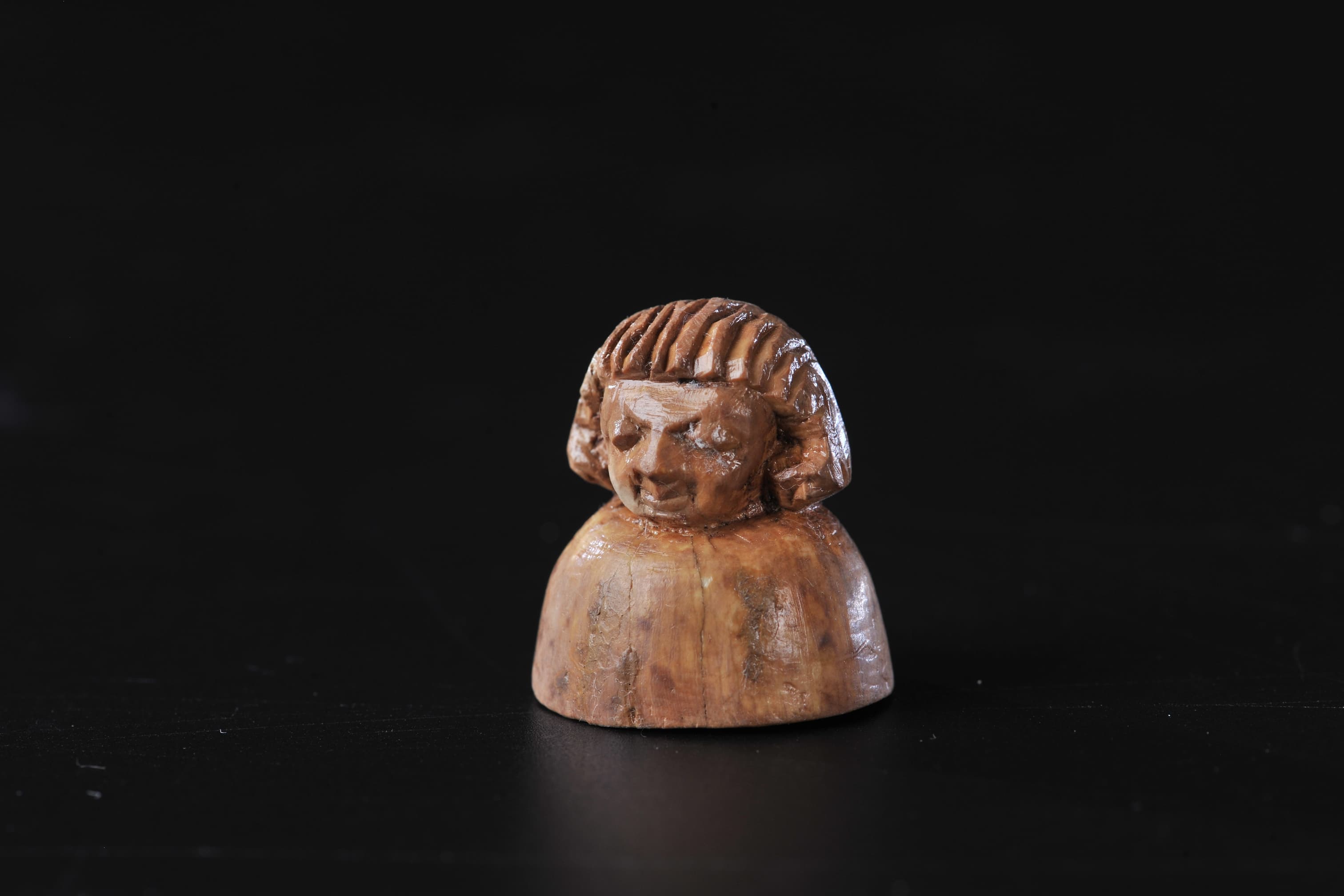
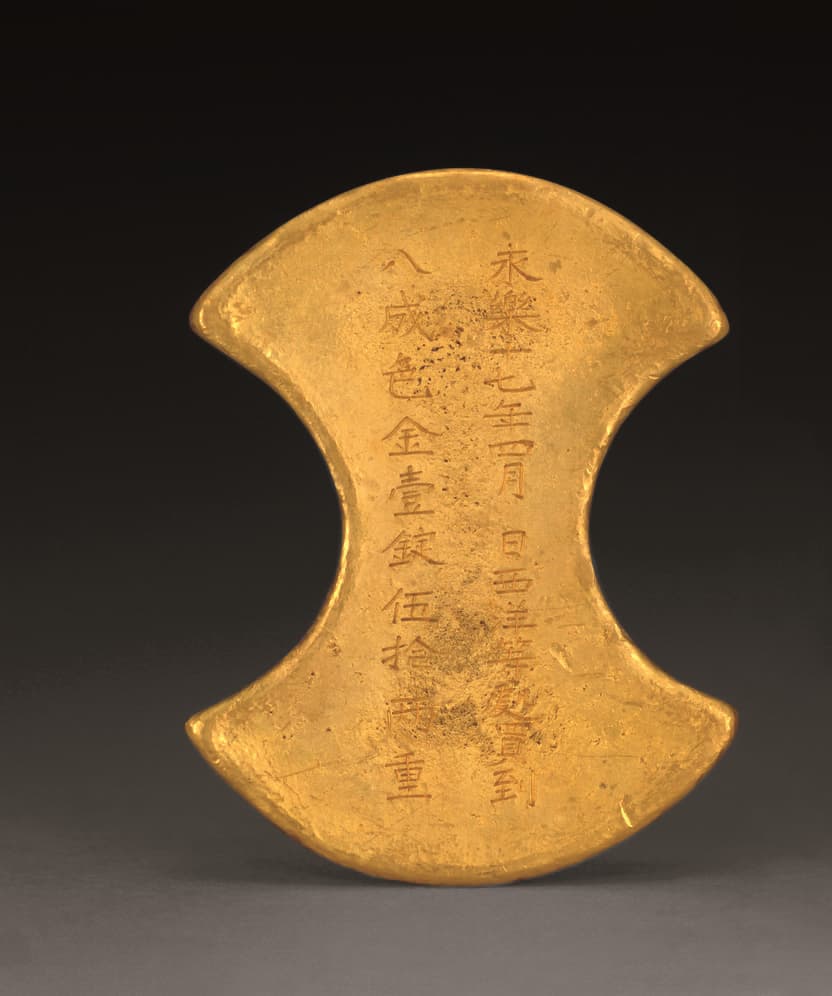
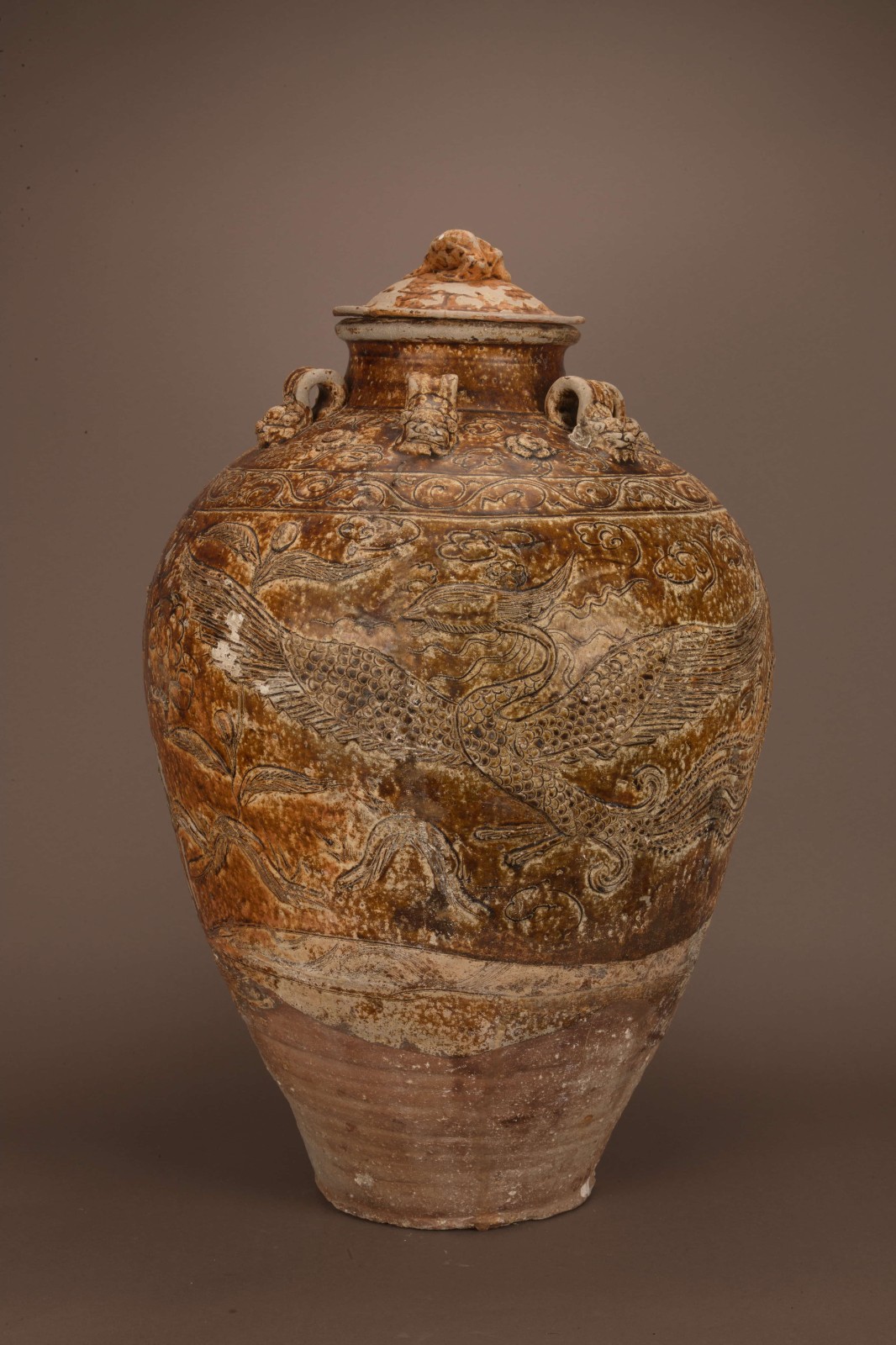
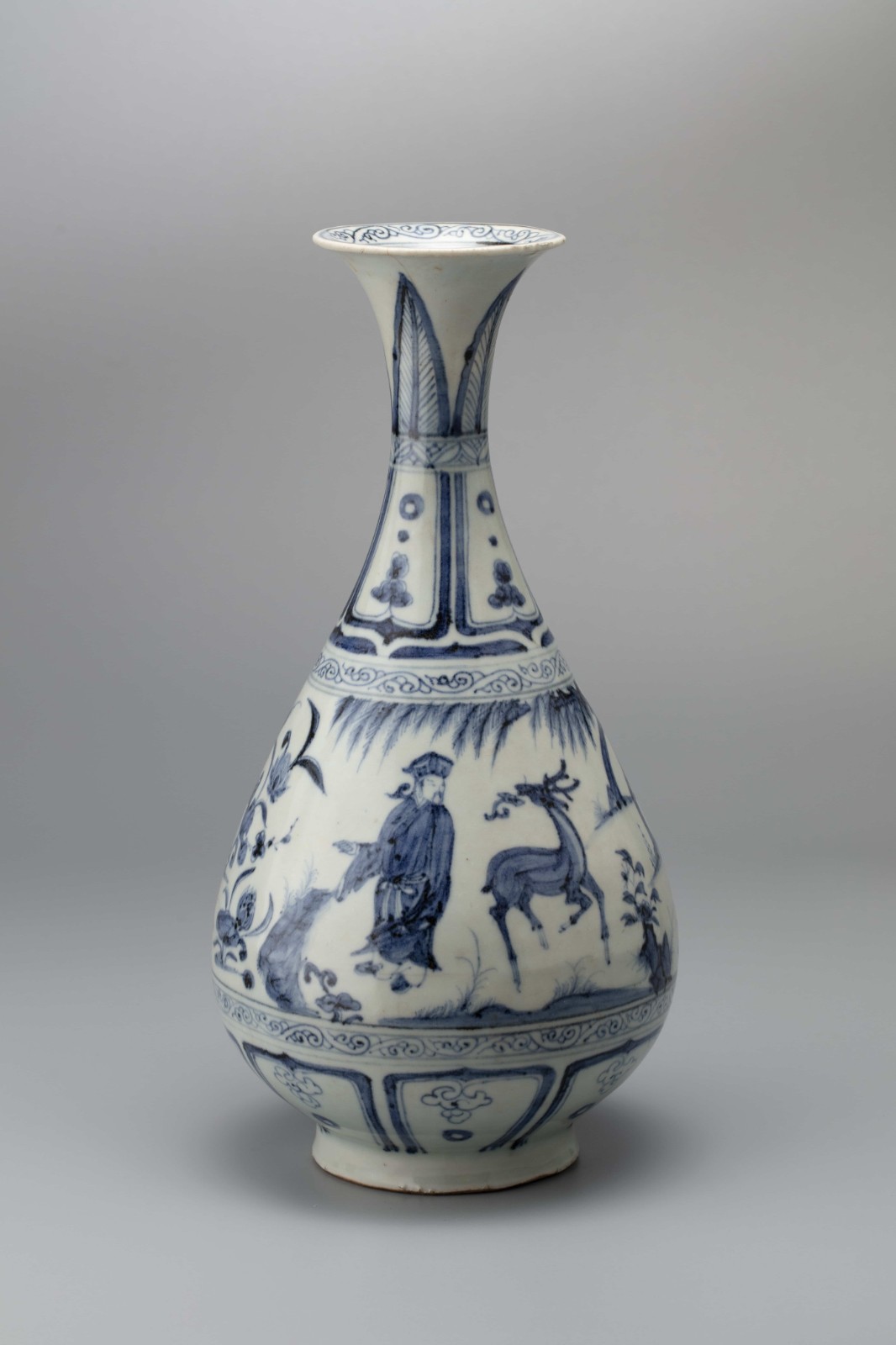
The exhibition brings together a host of remarkable artifacts, including an Ivory Carved Figurine (Tang) unearthed from the Site of Nanyue Kingdom Palace, a blue-and-white Yuhuchun vase with figural design (Yuan), a gold ingot unearthed from the Tomb of Prince Liangzhuang of Ming Dynasty, and an export wallpaper depicting agriculture and commerce during the Qianlong reign of Qing dynasty. Through historical documents, charts, scene reconstructions, and multimedia interaction, it vividly recreates historical trade scenarios. The exhibition design emphasizes an immersive experience fused with academic depth: key milestones, such as the assignment of the Maritime Trade Commissioner (Shiboshi) in the Tang dynasty, the codification of maritime trade regulations in the Song and Yuan dynasties, the Guangzhong Regulations in mid-Ming, the “Canton System” in the Qing, the launch of the Canton Fair in the New China, and the establishment of free trade zones in the new era, are highlighted through bold typography, color contrasts, and a dynamic timeline, enabling visitors to grasp the evolution of foreign trade institutions intuitively and precisely. Interactive touchscreens with animated features further enrich the visitor experience with engaging interpretations of Guangdong’s foreign trade history.
For a thousand years the tides have surged, and for ten thousand miles the trade routes have stretched. The exhibition"Shared Prosperity: A Millennium of Guangdong’s Foreign Trade" is not only a comprehensive review of Guangdong’s grand foreign trade history but also a tribute to the enduring spirit of openness, inclusiveness, and mutual benefit. Visitors are warmly invited to explore the Guangdong Museum, where each artifact tells a story of the past, each trade route reflects the wisdom of openness, and each historical echo inspires confidence in Guangdong’s continued voyage in the new era, charting a new chapter in China’s exchanges and cooperation with the world.
Highlights
|
|
|
|
|
|